Japan plans to replace between two and five nuclear reactors by the 2040s and between 11 and 14 by the 2050s as many plants near the end of their 60-year operational lifespan limit, the Ministry of Economy, Trade and Industry announced on June 5, 2026 [1]. The replacements aim to secure a stable power supply amid expected shortfalls as reactors age and retire.
Fifteen of Japan’s reactors are projected to surpass the 60-year operational threshold by fiscal 2050, necessitating replacement to maintain nuclear capacity [2]. Currently, 24 reactors are in the process of decommissioning across 11 power stations, underscoring the urgency of new construction [1].
Japan expects an electricity output shortfall of approximately 5.5 million kilowatts by the 2040s, roughly equivalent to the output of five reactors not replaced [1]. The government’s revised 2025 energy plan targets 20 percent of electricity to be generated from nuclear power by fiscal 2040, emphasizing the role of nuclear power in energy security and emissions reduction [1].
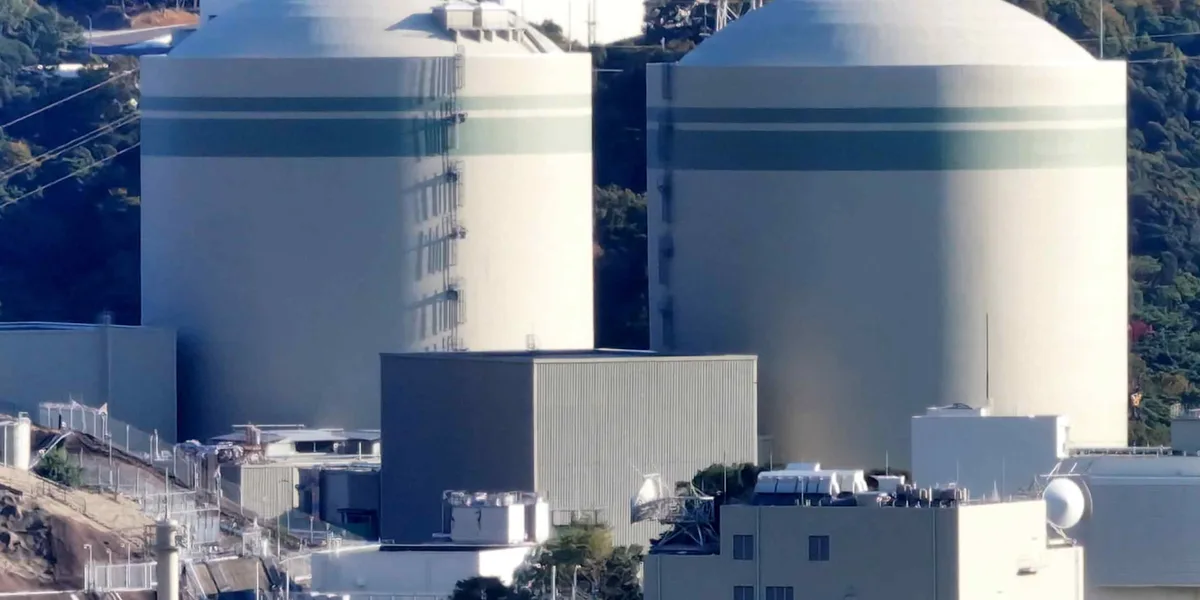
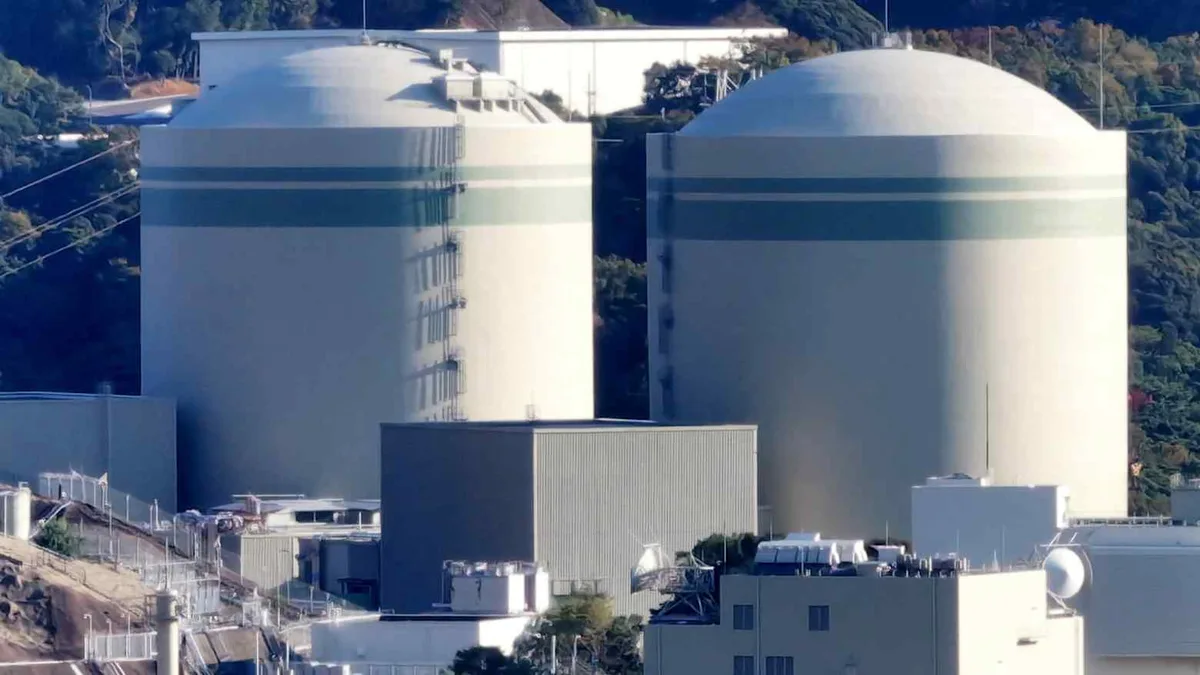
Potential sites for new reactors include the Mihama power station in Fukui Prefecture and the Sendai complex in Kagoshima Prefecture, though plans remain provisional [1]. By fiscal 2040, two reactors at the Takahama power station are expected to have been in operation for 60 years and face retirement [2].
The proposed replacement schedule differs slightly among sources. While the Ministry’s proposal outlines specific targets for both the 2040s and 2050s, some reports only confirm a plan to replace up to five reactors by the 2040s without specifying the longer-term 2050s targets [2, 1].
The Ministry’s June 2026 proposal represents Japan’s strategic step to balance aging infrastructure with the goal of reducing reliance on fossil fuels and maintaining energy stability as older nuclear reactors reach their operational limits.