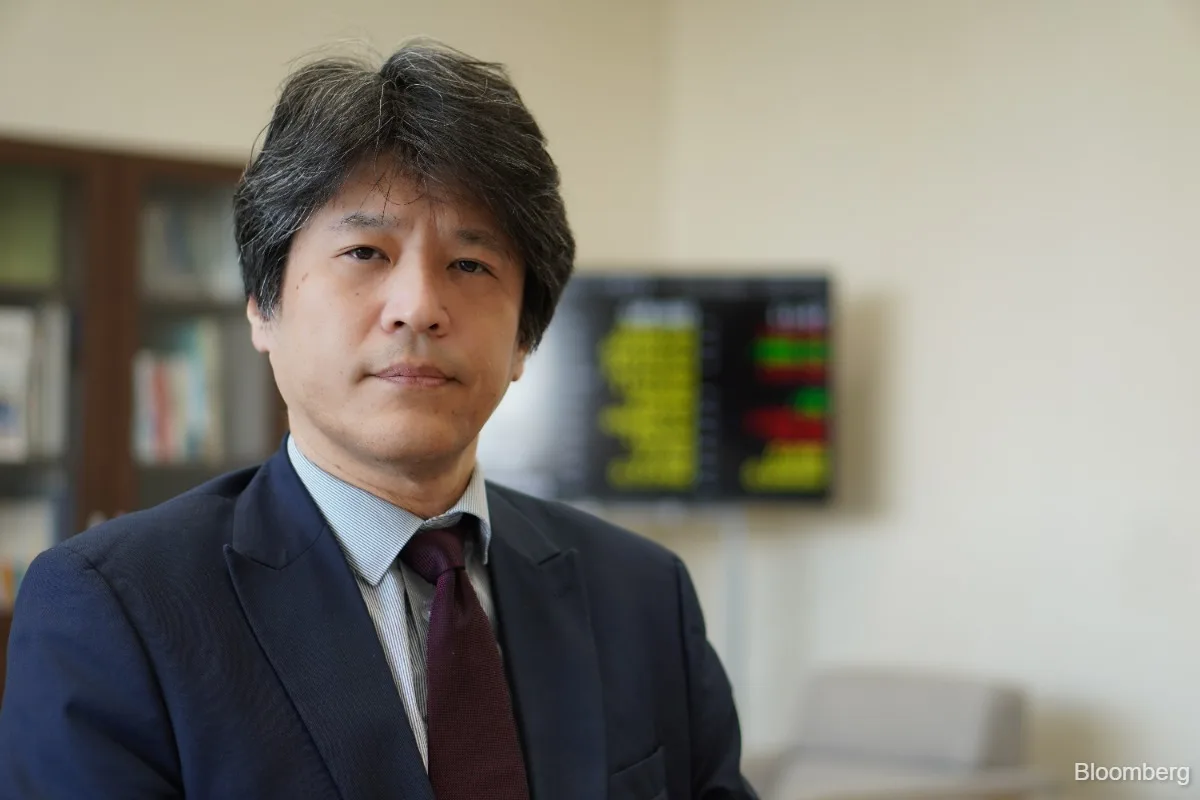
Japan’s Financial Services Agency (FSA) urged listed companies on May 25 to use cash reserves for long-term business investments rather than shareholder buybacks and higher dividends [1, 2]. FSA official Tatsufumi Shibata told reporters, "I don’t think investors demand that from companies that are in a rapid growth phase," highlighting the need for firms to focus on growth over immediate payouts [2].
The regulator also recommended that firms consider cross-shareholdings and real estate assets as additional sources to support growth initiatives [1, 2]. The FSA criticized the common practice among Japanese companies of prioritizing shareholder returns regardless of their stage of development [1, 2].
Cash and deposits held by about 1,215 Topix-listed non-financial companies rose 84% over the past decade, reaching ¥130 trillion (US$818 billion) as of the end of 2025 [1]. Prime Minister Sanae Takaichi’s economic revitalization plan calls for shifting more corporate and household wealth into funding future expansion, criticizing the accumulation of large corporate cash piles [1, 3].
The FSA is preparing to revise the Corporate Governance Code for the first time in five years. The update aims to improve how companies use cash for medium- to long-term value creation [1]. However, some investors have expressed disappointment that the revised code stops short of requiring companies to demonstrate effective cash utilization explicitly [1]. Instead, it promotes ongoing dialogue between companies and institutional investors rather than narrow, formulaic discussions focused solely on cash strategy [1].
The next step involves finalizing the revision of the Corporate Governance Code, expected to take place following consultations later this year.