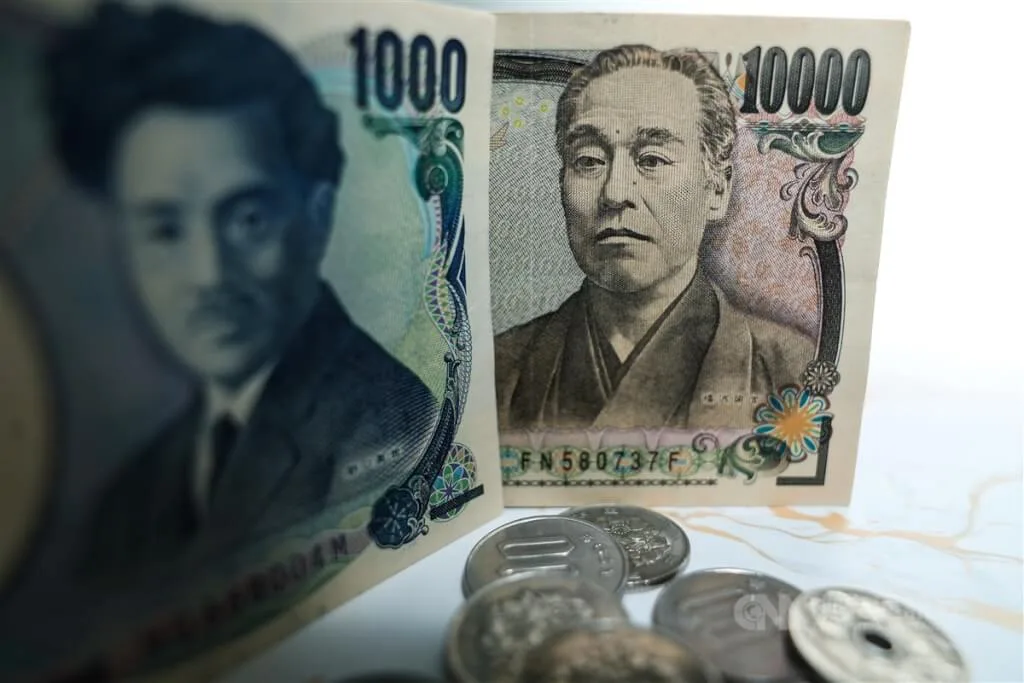
Japan’s government ministries have submitted a combined budget request of approximately ¥143.1 trillion for the 2027 fiscal year starting in April, marking a record high above the previous year’s ¥122 trillion request [1, 2, 3].
The budget demand includes an economic stimulus investment fund named “富強日本,” which has increased to ¥12.173 trillion, reflecting the government's push for expansionary fiscal measures under Prime Minister Sanae Takaichi's administration [2, 3].
Debt service costs for the government’s principal and interest payments are projected to reach a record ¥36.6386 trillion, amid expectations that long-term government bond yields could rise from 3.0% to 3.8% compared to the 2026 budget projections [2, 3].
Key ministry budget requests include ¥36.58 trillion for the Ministry of Health, ¥21.917 trillion for the Ministry of Internal Affairs and Communications, ¥8.843 trillion for the Ministry of Defense, and ¥5.704 trillion for the Ministry of Economy, Trade and Industry [2, 3]. Unspecified additional budget item requests remain, potentially increasing the total allocation further [2, 3].
The Finance Ministry, which announced the ministry requests today, will review and coordinate the demands before submitting a finalized budget proposal to the cabinet by year-end for approval [1, 2, 3]. Finance Minister Satsuki Katayama stressed the importance of crafting a budget that balances strong economic growth with fiscal sustainability, saying the government seeks to “formulate a budget that both fosters robust economic growth and achieves fiscal sustainability” (盼制定兼顧打造強勁經濟與實現財政可持續性的預算) [2, 3].
The budget process will culminate with the cabinet finalizing the 2027 central government budget by the end of 2026 [1, 2, 3].