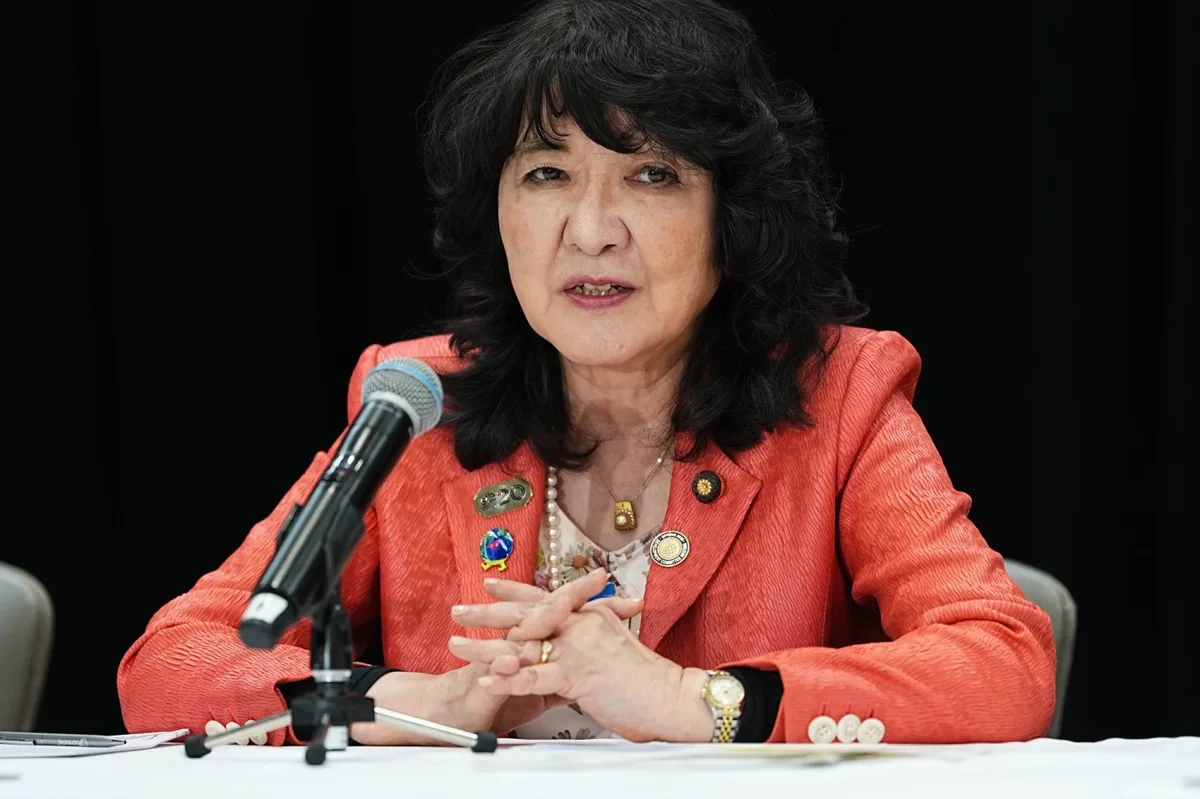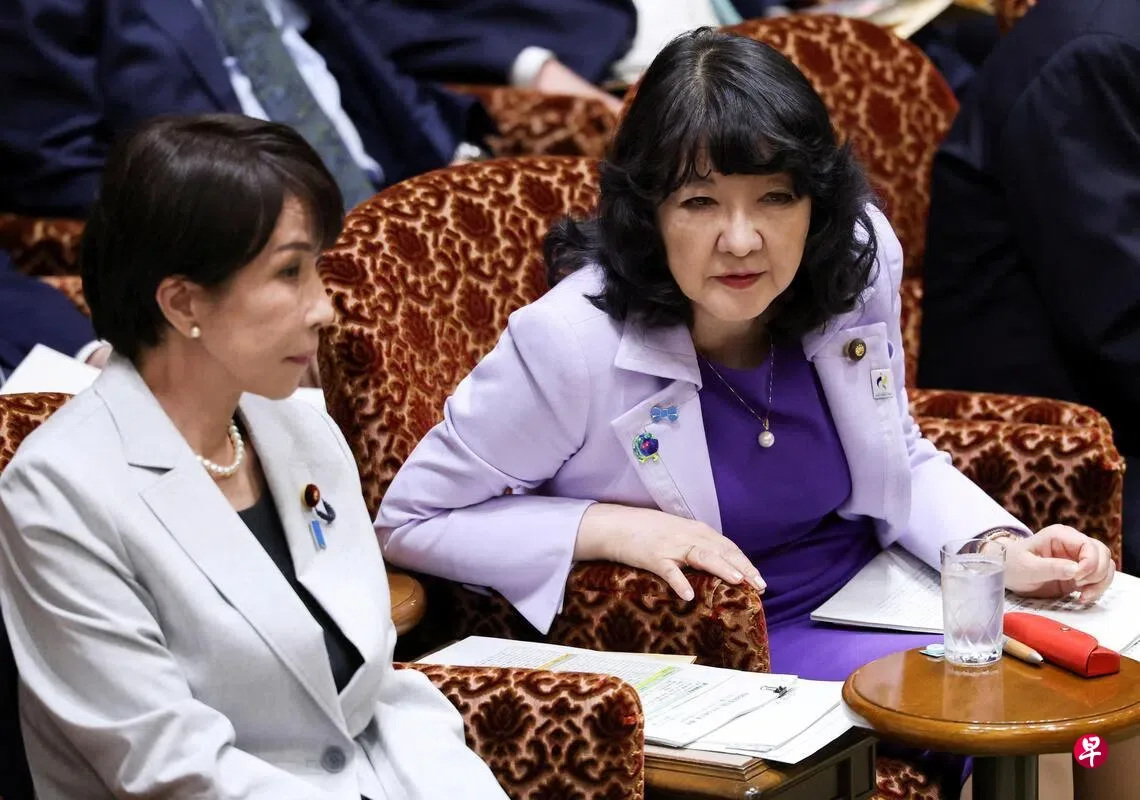
Japan's Finance Minister Satsuki Katayama stated on May 15 that the government does not need to compile an extra budget at this time amid rising government bond yields [1, 2, 3]. She attributed the yield increases to a broader global trend affecting bond markets in the US, UK, and Japan, rather than domestic factors alone [1, 2, 3].
Yields on 30-year Japanese government bonds have reached their highest levels since these bonds were first issued in 1999 [1, 2]. Similarly, yields on 20-year and 40-year Japanese government bonds recently hit multi-decade highs [1, 2]. Katayama noted the simultaneous rise in yields across multiple major markets is creating a compounding effect. "Bond yields have been rising across all three major markets. These developments are interacting with each other and creating something of a compounding effect," she said [2].
The Japanese government currently holds a budget contingency of 1 trillion yen for fiscal year 2026, which has not yet been used [1]. This reserve is intended to provide fiscal flexibility if needed.
Reports from May 14 suggested that Prime Minister Sanae Takaichi’s government is considering an extra budget to fund price relief measures due to high oil prices and geopolitical uncertainty [1]. However, Katayama’s remarks on May 15 indicate that no immediate extra budget is planned.
On May 14, yields on Japan’s long-term government bonds climbed to multi-decade highs, amid concerns that US inflation-driven market selloffs were spreading to Japan’s bond market [1, 2]. Katayama’s statement the following day clarified that the yield rises reflect interconnected global market forces rather than direct domestic budget issues [1, 2, 3].