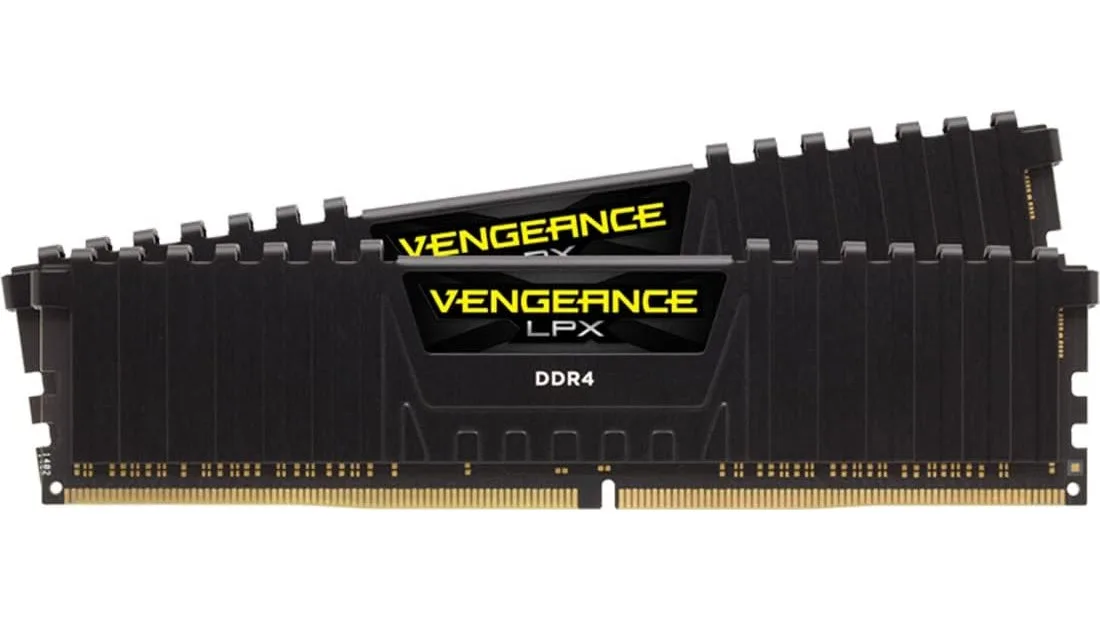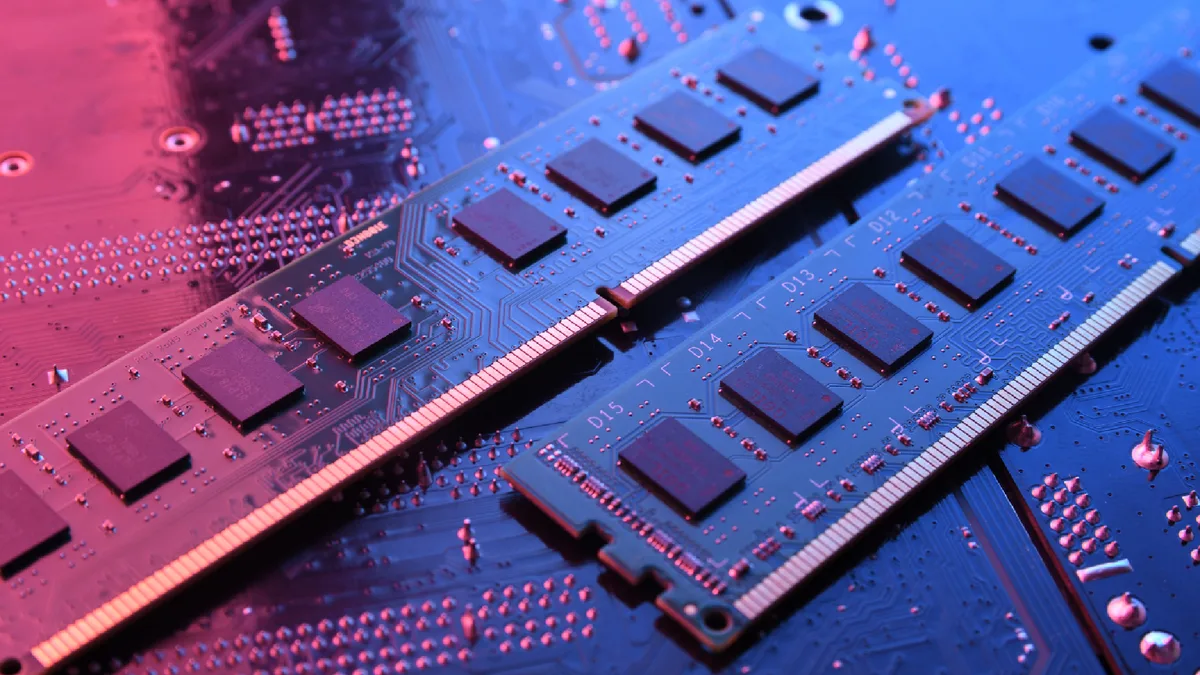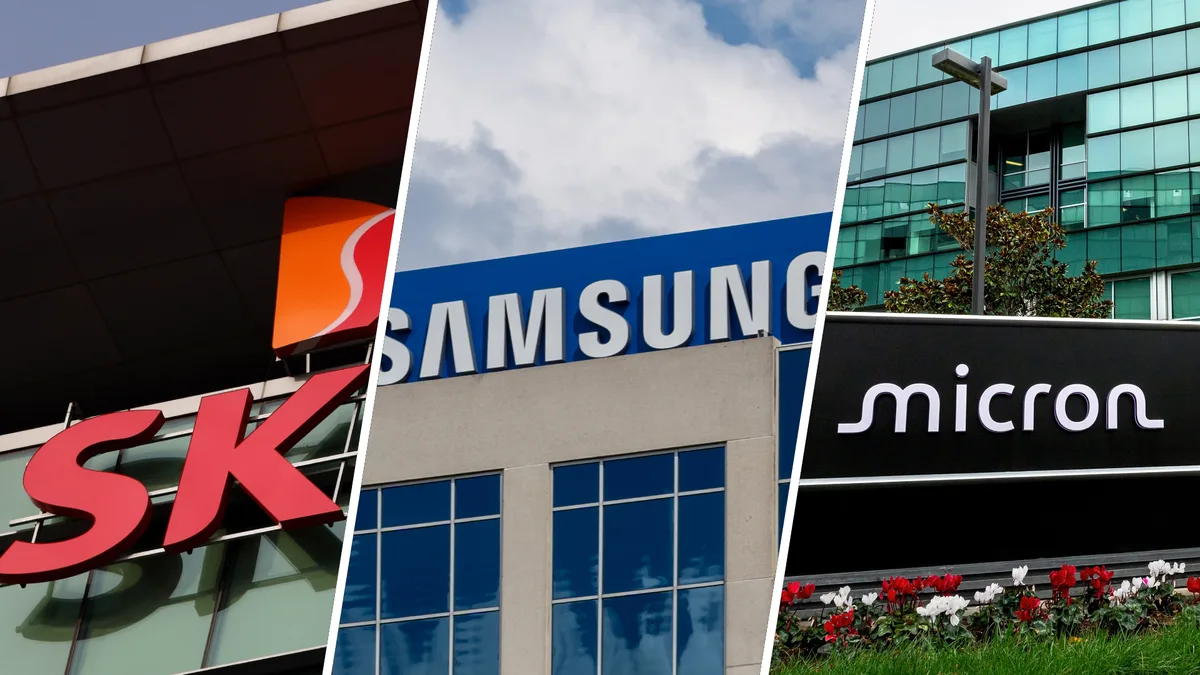
Samsung, SK Hynix, and Micron, the top three global producers of DRAM memory, were sued in a class-action filed June 25, 2026, in California for allegedly coordinating to fix prices and limit supply of DDR3 and DDR4 RAM chips [1, 2, 3, 4, 5].
The lawsuit claims the companies agreed starting in 2022 to curtail conventional DRAM production and instead shifted focus to less-profitable High Bandwidth Memory (HBM) used mainly in AI data centers. This strategy allegedly caused DRAM prices to surge roughly 700% over four years [1, 2, 3, 5].
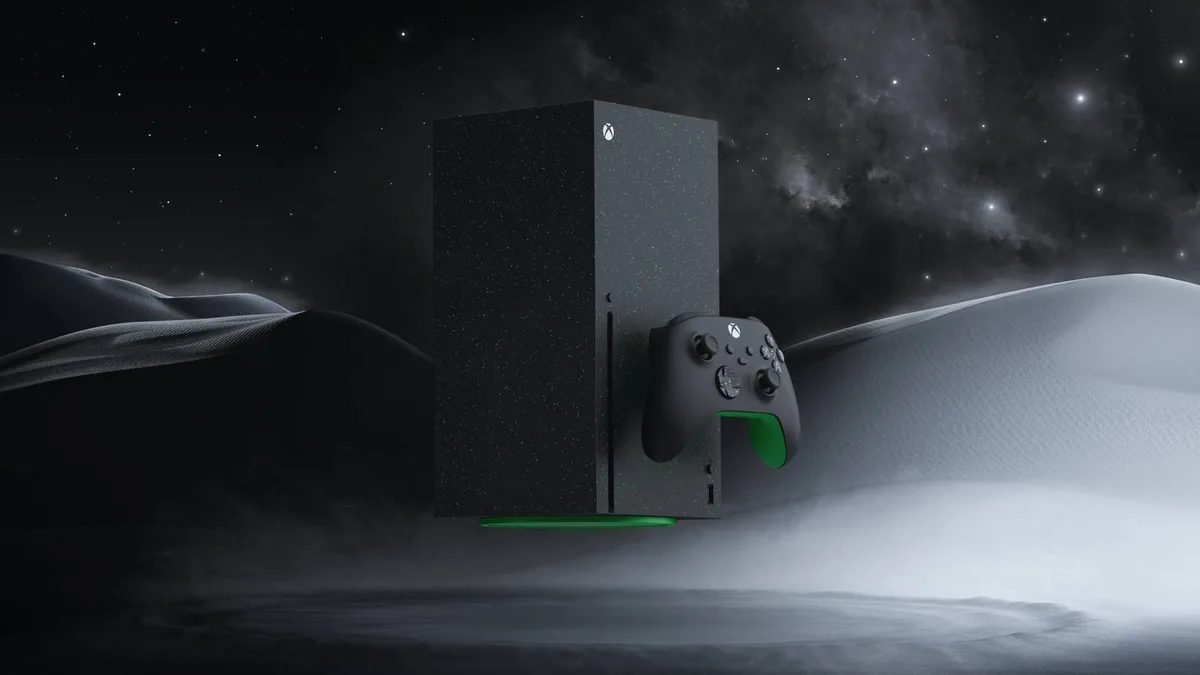
Together, Samsung, SK Hynix, and Micron control over 90% of the global DRAM market, allowing them significant influence over pricing and production [2, 4]. The suit states that this collusion has sharply raised prices for consumer electronics using DRAM, affecting firms such as Apple, Nintendo, Sony, and Microsoft [1, 4, 5]. Apple was quoted saying, "We have never seen a component price increase this much, this quickly" [5].
The complaint references prior legal actions. In 2005, Samsung and SK Hynix pleaded guilty to DRAM price-fixing, paying fines of $300 million and $185 million respectively. Micron avoided charges by cooperating with investigators [1, 2, 4].
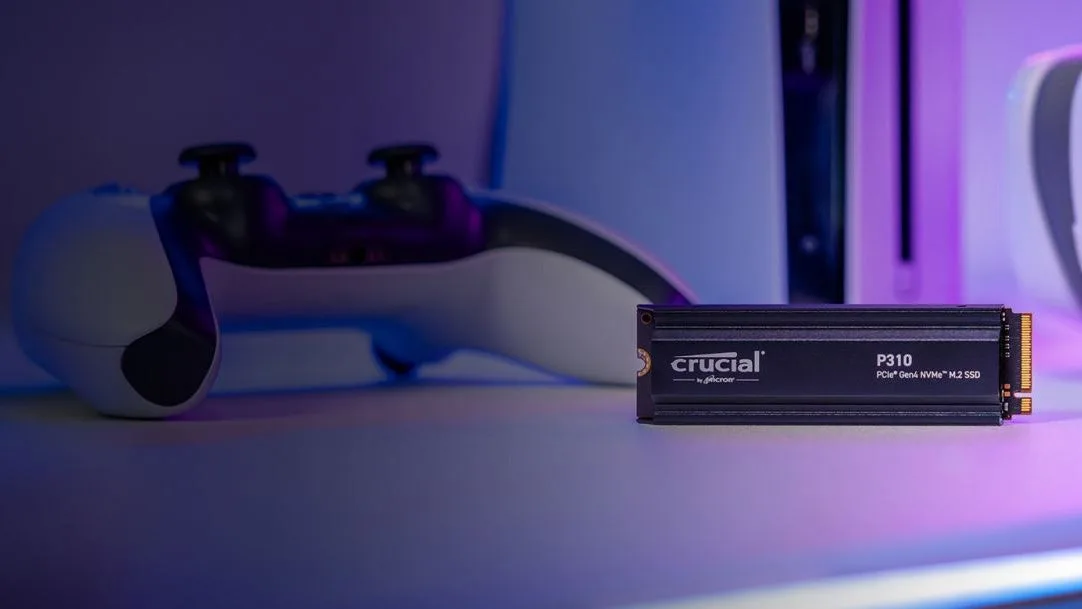
Seventeen plaintiffs joined the class, including small businesses Troy’s Computers LLC, JB Tech Solutions LLC, and WNTD Fab LLC [4]. The lawsuit highlights Micron’s closure of its Crucial consumer brand as an example of reduced supply at peak prices [5].
The lawsuit states, "This lawsuit seeks to recover for—and stop—concerted anticompetitive behavior by three oligopolists in the market for dynamic random access memory, more commonly called DRAM" [2]. Plaintiffs further argue, "The DRAM oligopolists have simultaneously cut production, coordinated a pivot to HBM and exit from DDR3 and DDR4 [memory], and otherwise decreased and locked up conventional DRAM supply while prices charged up with mind-blowing scale and rapidity" [3].
This case comes after previous investigations, including a Chinese government probe into RAM price-fixing between 2016 and 2018 [1, 2]. The lawsuit is pending in the United States District Court for the Northern District of California.