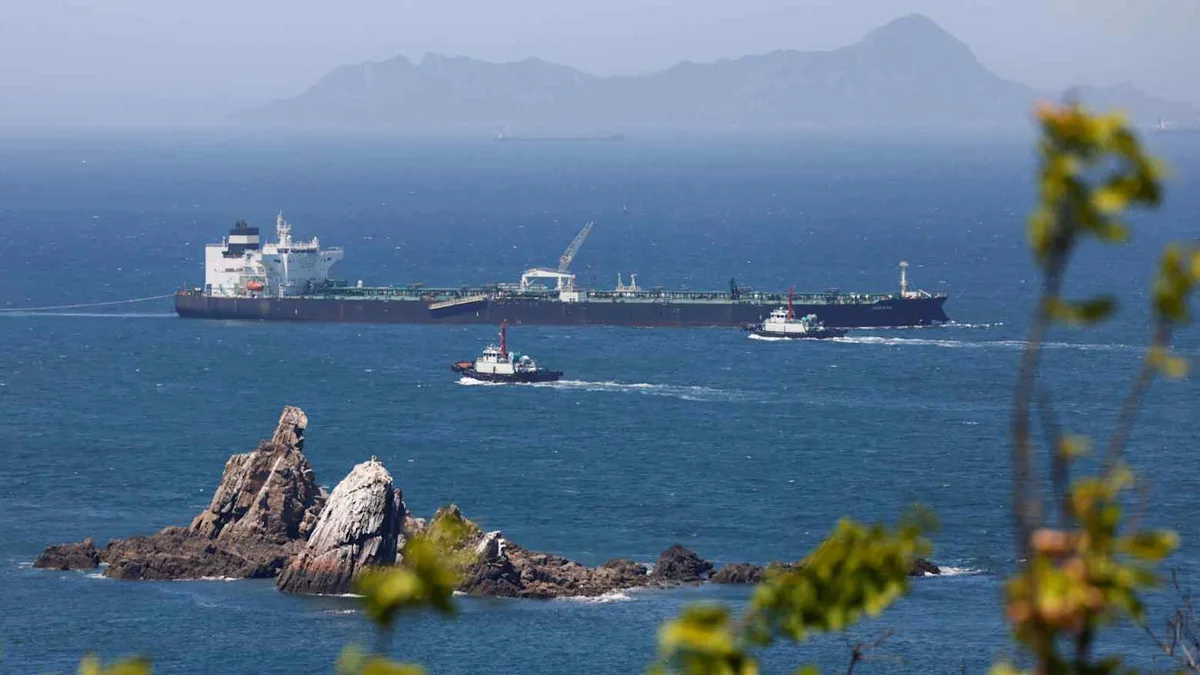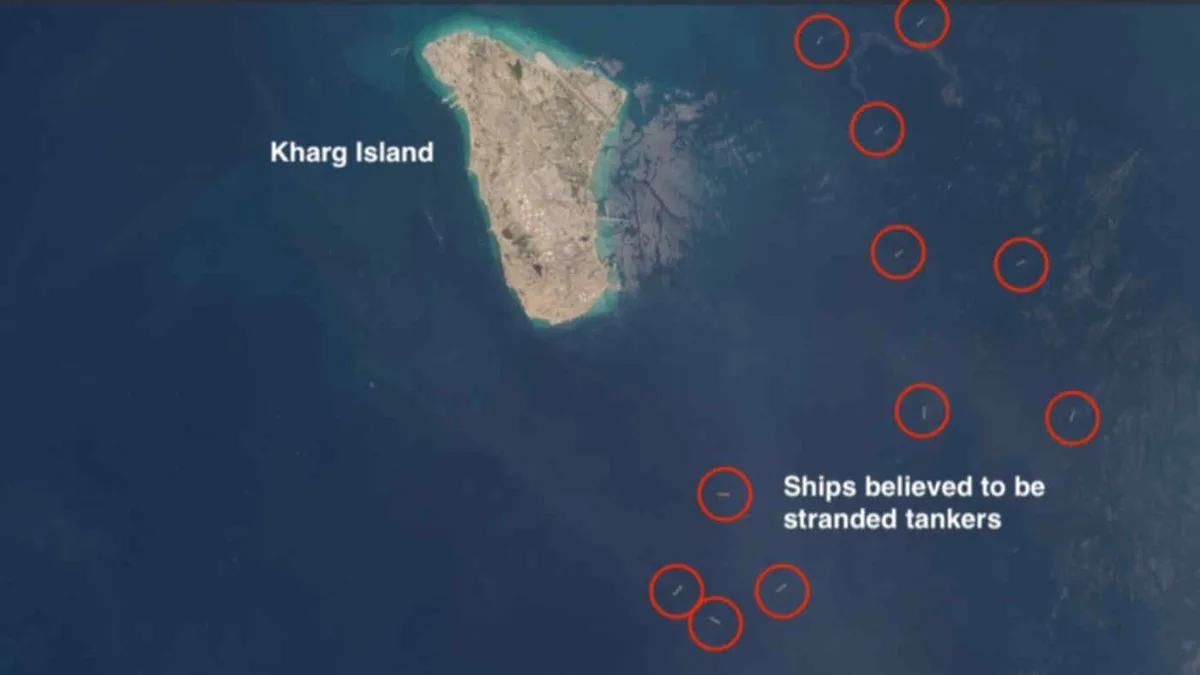
More than 160 oil tankers carrying roughly 160 million barrels of oil and petroleum products remain stuck in the Persian Gulf due to Iran’s increased control of the Strait of Hormuz, a vital global shipping route linking the Gulf to international energy markets [1, 2].
Among the vessels delayed, 26 South Korean ships are stuck in Middle Eastern waters following disruptions in the strait after hostilities began on February 28, 2026, between Israel, the United States, and Iran [2]. On May 19, a South Korean oil tanker carrying 2 million barrels of crude oil passed through the Strait of Hormuz following direct coordination between South Korean and Iranian authorities [2].
South Korean Foreign Minister Cho Hyun said, "Consultations with Iranian authorities were completed, and the vessel began sailing yesterday. It is passing through the strait very cautiously," highlighting efforts to secure passage amid the tensions [2].
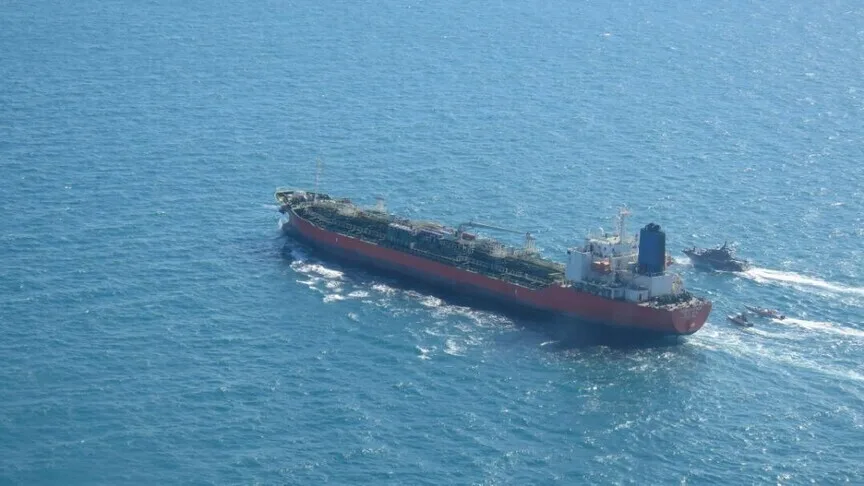
Separately, an investigation into an attack on the South Korean-operated vessel HMM Namu on May 4 is near completion. The ship was struck by two unidentified flying objects in the strait, causing fire and explosion [2]. Minister Cho added, "The investigation appears to be almost in its final stage," and said he "clearly told Minister Araghchi that they should also look into the matter and cooperate for an accurate investigation," referring to Iranian officials working toward clarity on the attack [2].
Iranian and South Korean officials have engaged in multiple consultations, including five phone calls and a special envoy visit, to coordinate the safe passage of South Korean vessels and to investigate the May 4 attack [2].
The situation stems from the outbreak of hostilities on February 28, which have affected shipping in this critical chokepoint for global energy supplies [2].
The next major milestone is the conclusion of the investigation into the HMM Namu attack, expected soon, which may impact further coordination efforts between the two countries and vessel movements in the area.