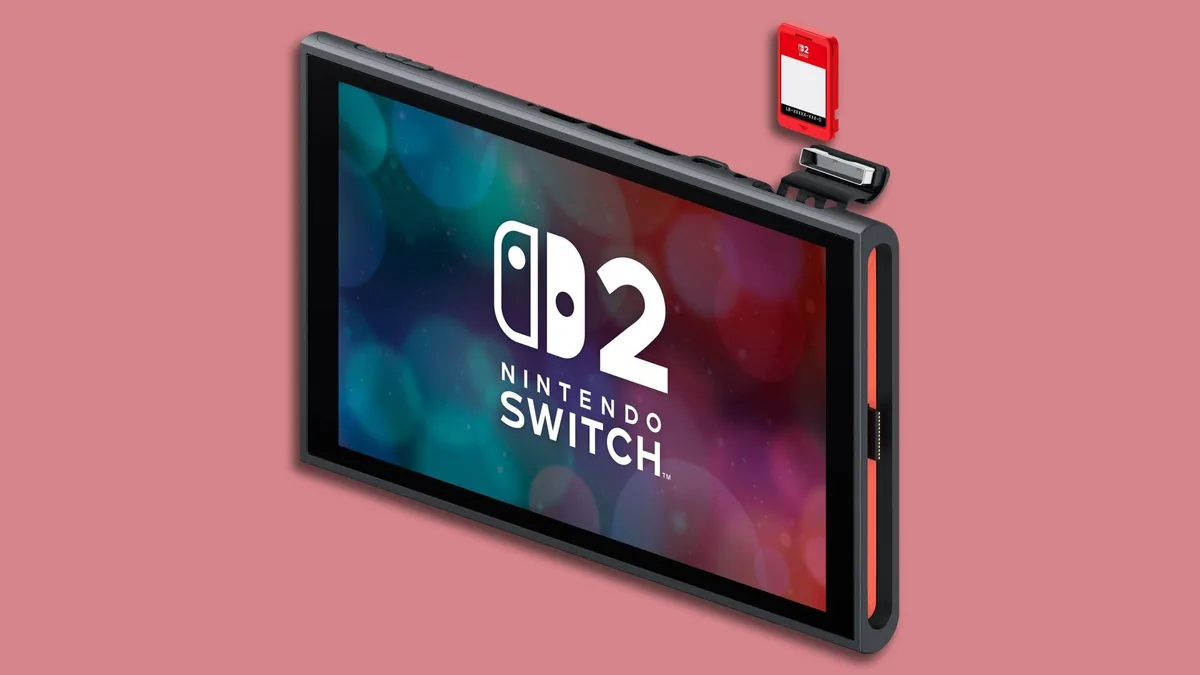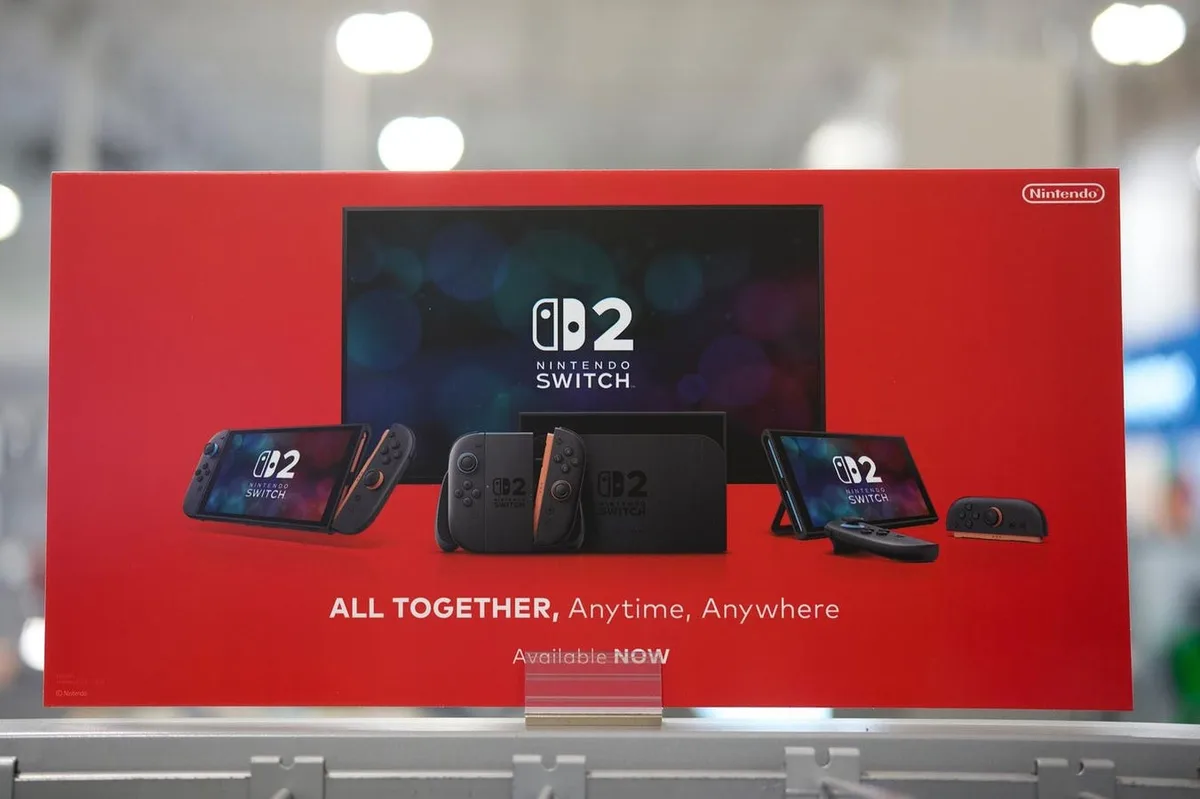
Nintendo raised prices for its Switch 2 consoles and accessories citing U.S. tariffs, memory shortages, labor, and shipping costs, according to company statements and industry reports [1, 2, 3]. The U.S. Supreme Court ruled that Trump-era tariffs were illegal and ordered $160 billion in refunds to businesses that paid them [1].
Nintendo received a portion of these tariff refunds but says it has no obligation to pass savings to customers. In court filings, Nintendo’s attorneys stated, "Nintendo or one of its retailers set a price for each product, and consumers decided whether that price was worth paying. Those who bought Nintendo’s products received exactly what they bargained and paid for: a console, game and/or accessory at a price to which both parties agreed" [2]. They added that, "Plaintiffs are not entitled to a rebate simply because of intervening legal developments related to tariffs" [1].
In April 2026, a U.S. class action lawsuit was filed seeking refunds for consumers who paid Nintendo’s increased prices linked to tariffs [2, 3]. Nintendo responded by filing a motion to dismiss the lawsuit in July, asserting customers received the goods at agreed prices and are not owed money back [3].
Nintendo absorbed some tariff costs and did not impose a full price hike equal to the tariff amount when adjusting Switch 2 prices, according to reports [1, 2]. While only a few companies including Costco, FedEx, and UPS have pledged to pass tariff refunds onto customers, Nintendo has not followed suit [3].
Following news of the lawsuit, Nintendo’s stock price fell about 4% in Tokyo trading on July 21, 2026 [3]. The company's initial price hikes were announced in September 2025 after Trump-era tariffs took effect [1, 3].
The court’s ruling and ongoing lawsuit could affect future pricing and refund policies. Nintendo awaits the court’s decision on the dismissal motion filed in late July.