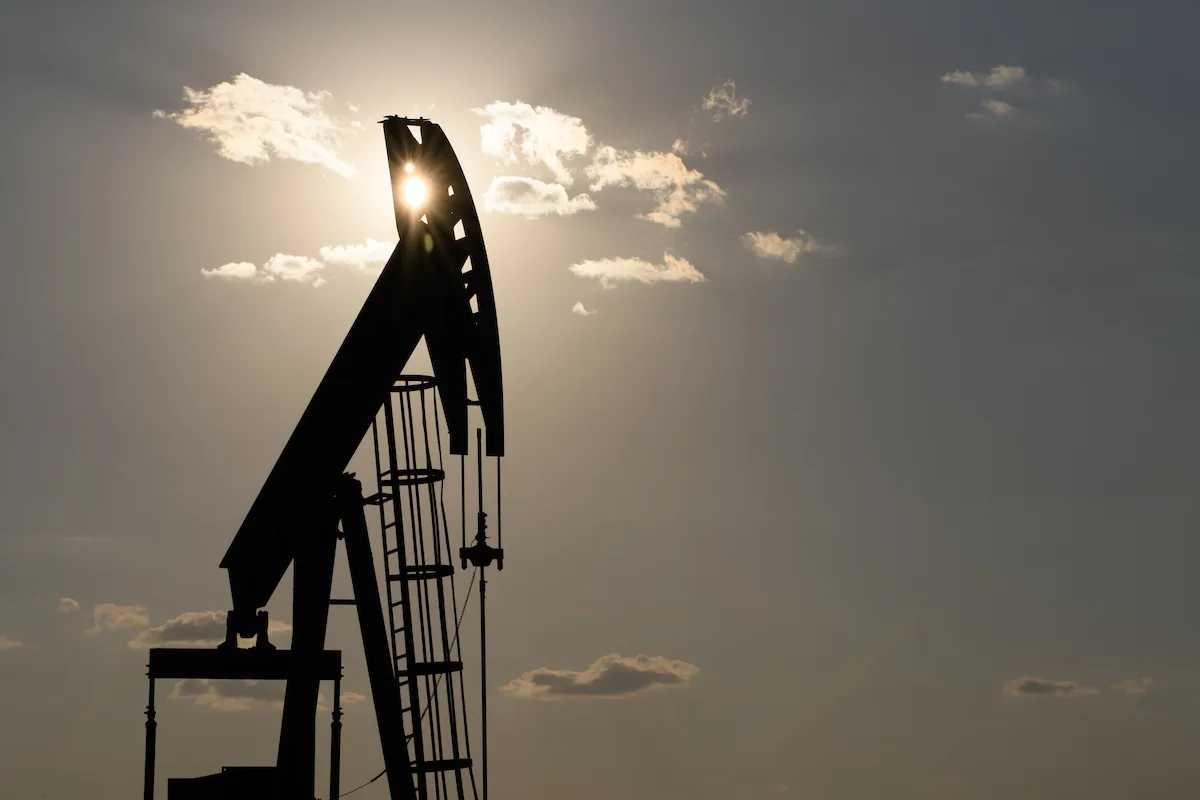
Oil prices surged following stalled negotiations between Iran and Oman over reopening the Strait of Hormuz, prompting a rise in Brent crude above $87 per barrel and West Texas Intermediate (WTI) near $83 per barrel as of August 12, 2026 [1, 2, 3, 4, 5, 6]. Brent crude traded between $87 and $89 per barrel during August 10 to 12, rising over 5% in recent days while WTI rose about 11% over the preceding five days [3, 7, 4, 5, 6, 8, 9, 10].
Iran and Oman remain close to an agreement but major Iranian demands have slowed progress [2, 6, 10]. Iran is seeking US compensation for war damages and an end to the US blockade of the Strait as conditions for reopening the vital shipping route [4, 10, 11]. US President Donald Trump hardened his stance on August 11, demanding compensation and emphasizing economic pressure rather than military action, signaling patience but firm resistance to Iranian terms [1, 3, 7, 4].
Shipping traffic remains low in the Strait, with only about 5 vessels daily versus roughly 14 after a June memorandum of understanding was signed [4, 11]. This blockade and conflict have disrupted global oil and gas supplies, contributing to tight markets and rising energy prices worldwide [4, 12, 8, 11]. European natural gas prices rose sharply amid storage levels below seasonal norms, heightening fears of winter shortages [2]. Aluminum prices also climbed to a seven-week high near $3,337 per ton due to supply concerns related to the Hormuz blockade [12].
Market volatility remains high as headlines drive uncertainty and investor caution. US crude inventories jumped 9.1 million barrels last week according to the American Petroleum Institute and 17.4 million barrels per the Energy Information Administration, marking the largest gains in months [6, 8]. Stocks and bonds showed tentative reactions, with the S&P 500 declining amid rising oil prices ahead of critical US inflation data [3, 7, 5]. Inflation is expected to rise by about 0.1% in July, keeping rate hike expectations in focus [3, 7, 5].
Industry analysts express mixed views on the negotiations. Jose Torres of Interactive Brokers said the failure to hold talks has unsettled Wall Street, while Chris Larkin of Morgan Stanley cautioned markets may not react strongly to vague progress reports [3]. Hamad Hussain of Capital Economics noted Brent prices will likely stay volatile between $80 and $90 per barrel without clear shifts in the standoff [4]. Tim Waterer of KCM Trade attributed ongoing risk premiums to unresolved practical details of any agreement [11]. Meanwhile, the Pakistani defense minister suggested on August 12 that the US and Iran remain close to some arrangement, but major Iranian demands still stall a deal [6].
Oil prices held steady near $83 per barrel on August 12 as markets awaited further developments on the Hormuz talks [5, 6, 8]. The situation remains fluid pending concrete progress in reopening the Strait of Hormuz and resolving the complex demands between Iran, Oman, and the US.