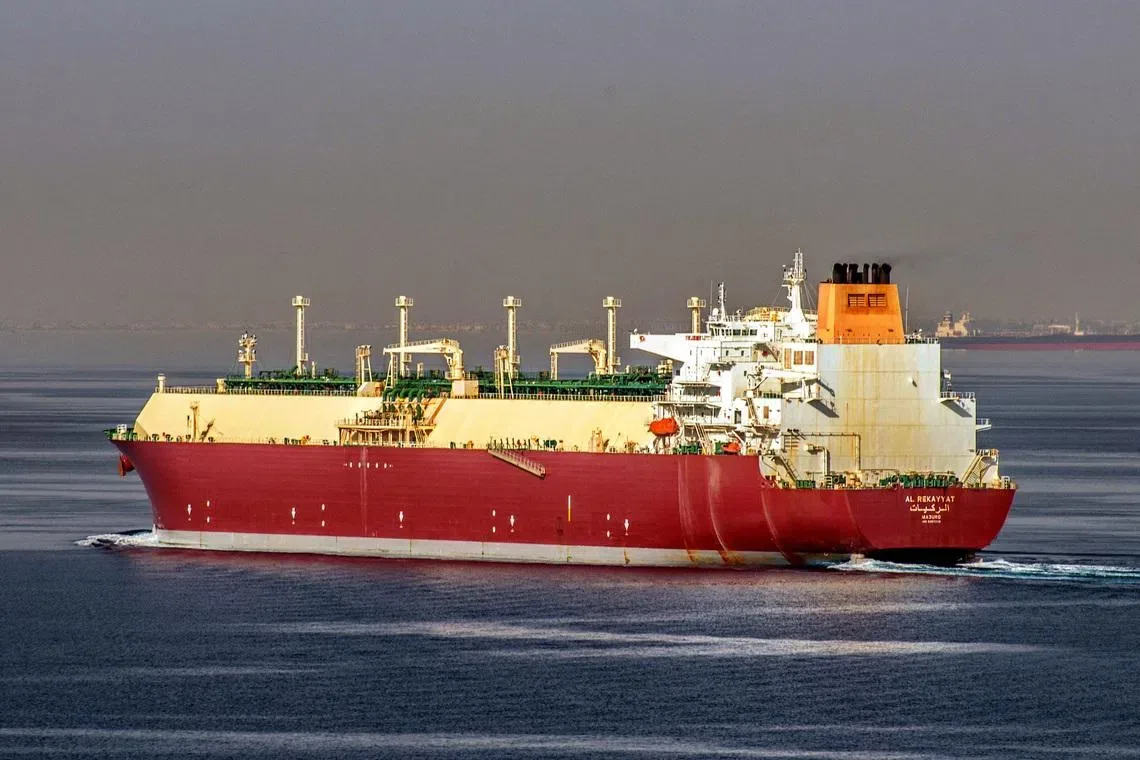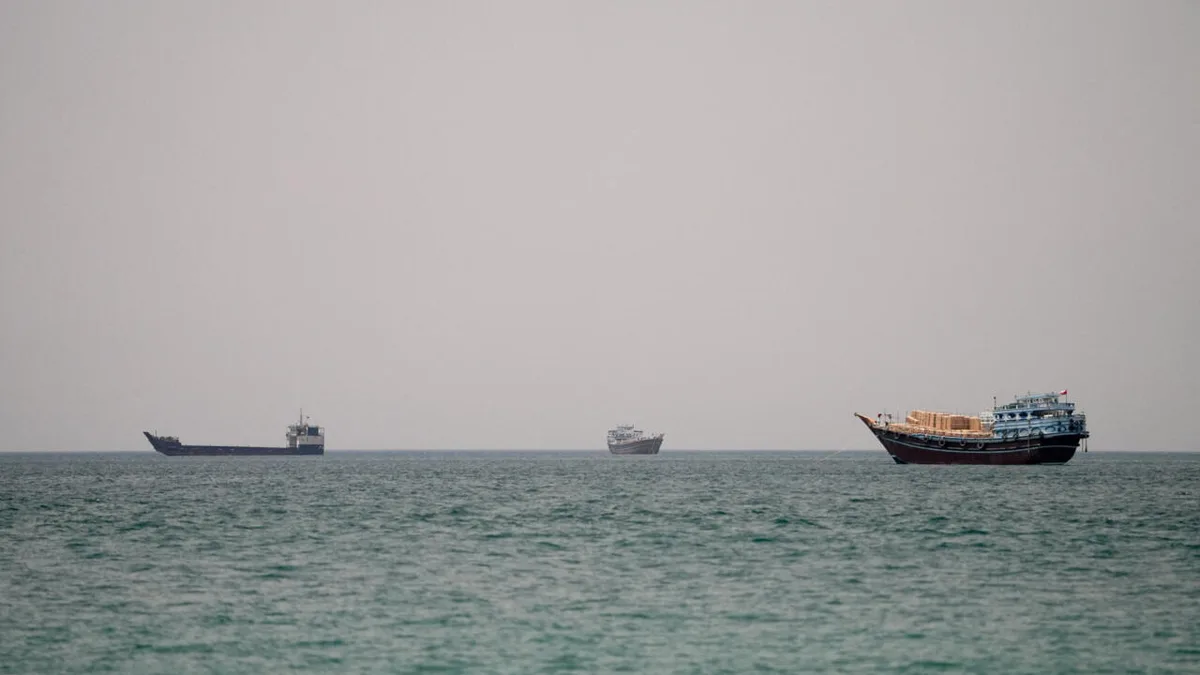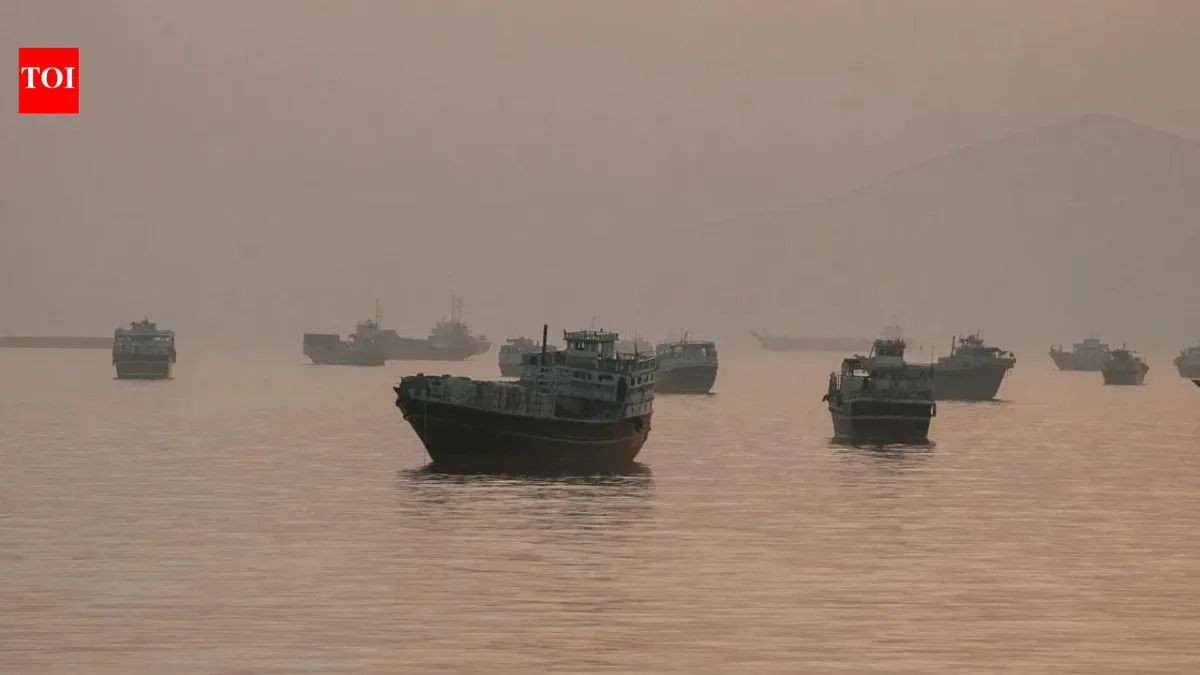
A Qatari liquefied natural gas (LNG) tanker, Al Rekayyat, was hit by a projectile on its port side on July 6 near the Strait of Hormuz, about 8 nautical miles east of Limah, Oman, igniting a fire in its engine room [1, 2, 3]. All crew members were safely evacuated from the vessel [1, 2, 4].
The fire posed a risk of explosion but did not breach the LNG cargo tanks, and officials reported no gas leak or environmental damage [2, 4, 3]. Two nearby vessels—a tugboat and a service ship—remained close to assist with salvage and firefighting efforts [2].
The United Kingdom Maritime Trade Operations (UKMTO) issued warnings describing the incident: "A tanker has reported being hit by an unknown projectile on the port side causing a fire, whilst travelling southbound," and advised vessels to transit cautiously and report suspicious activity. "No casualties or environmental impact were reported," UKMTO added [3, 5].
Iran and the United States traded blame over the attack. Iran accused the U.S. of continued threats and refused peace talks unless the U.S. president halted such actions. Meanwhile, the U.S. accused Iran of firing the projectiles [1, 6]. Iranian state media reported the tanker came under attack after ignoring warnings, though Iran did not officially claim responsibility [7]. Neither Washington nor Tehran directly commented further on the incident [1, 8].
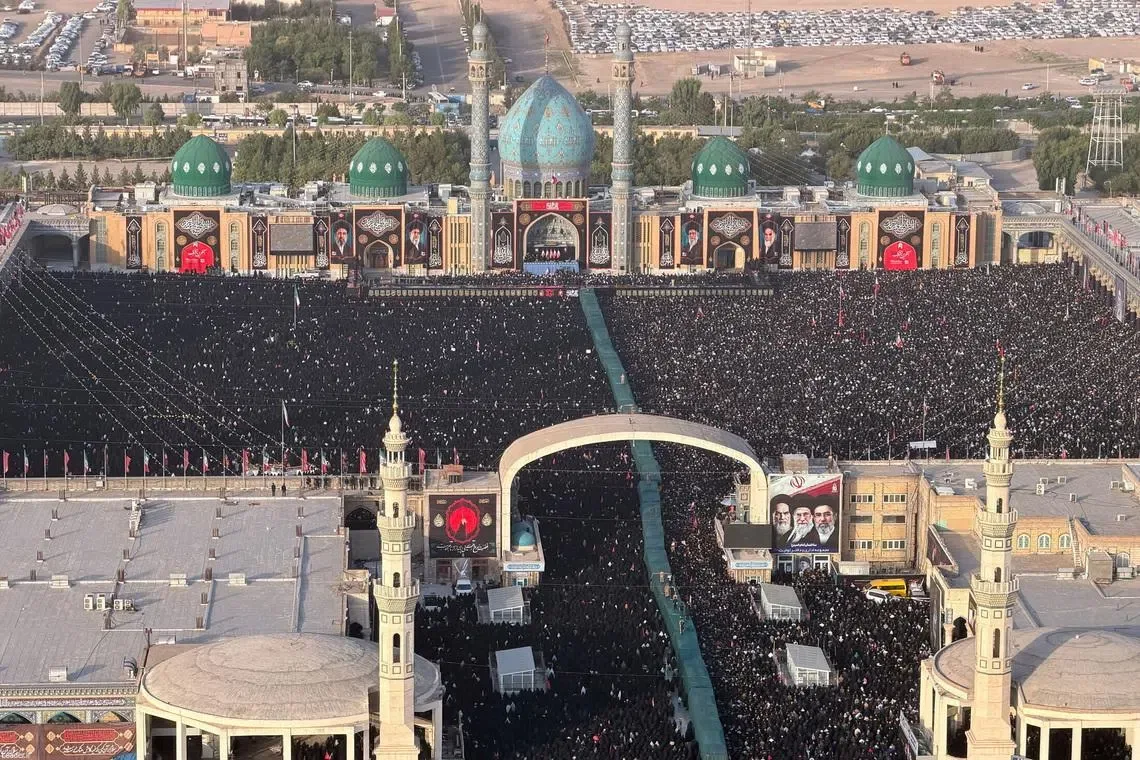
The attack occurred during Iran's week of mourning for its slain former Supreme Leader Ali Khamenei, killed on February 28 at the start of the U.S.-Israel-Iran conflict, coinciding with a temporary halt in maritime attacks [1, 7, 6]. Maritime traffic had resumed after a U.S.-Iran memorandum of understanding last month, but Iran insisted on controlling shipping routes and warned vessels not to use unapproved corridors [1, 8, 6].
Disagreements remain over the extent of the attacks. Some sources say only the one Qatari tanker was hit, while others claim two commercial vessels were struck by missiles and damaged [1, 8, 6].
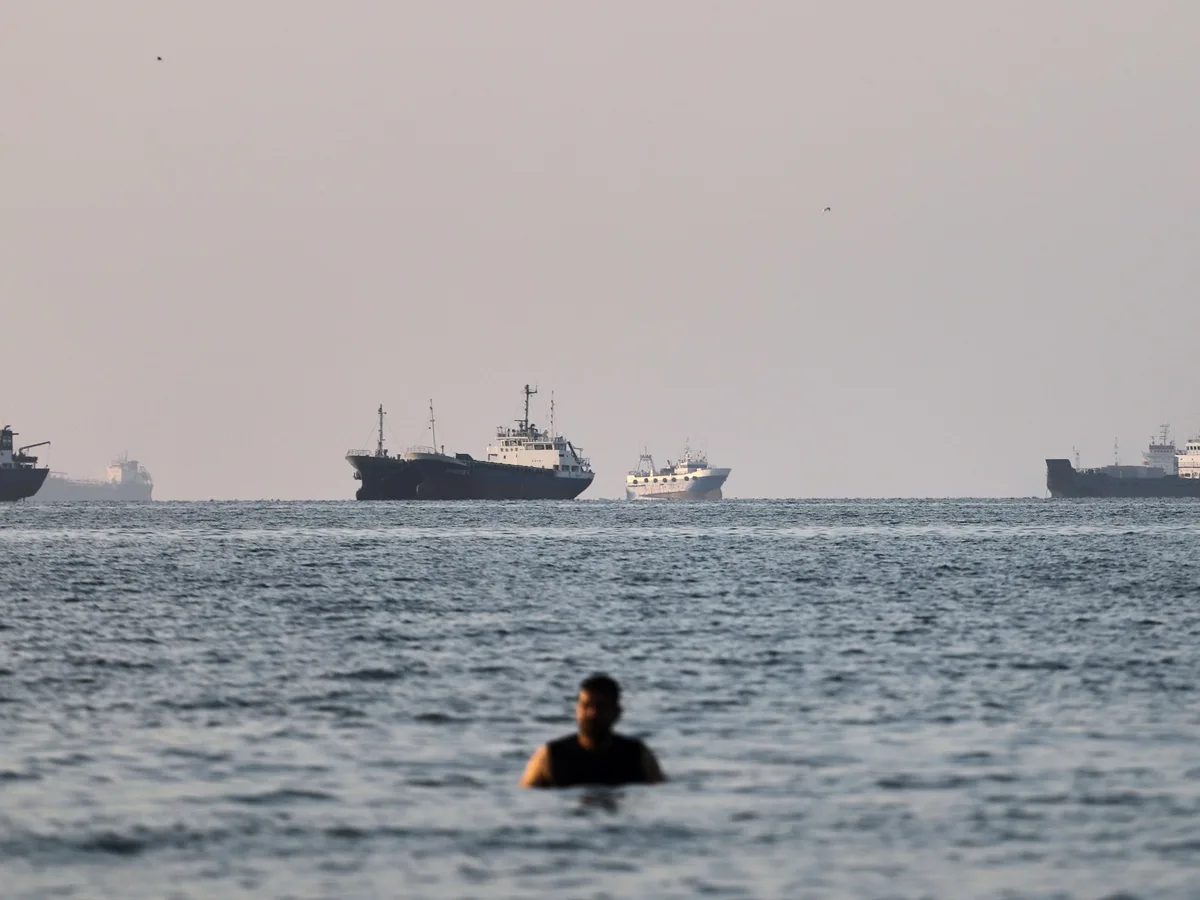
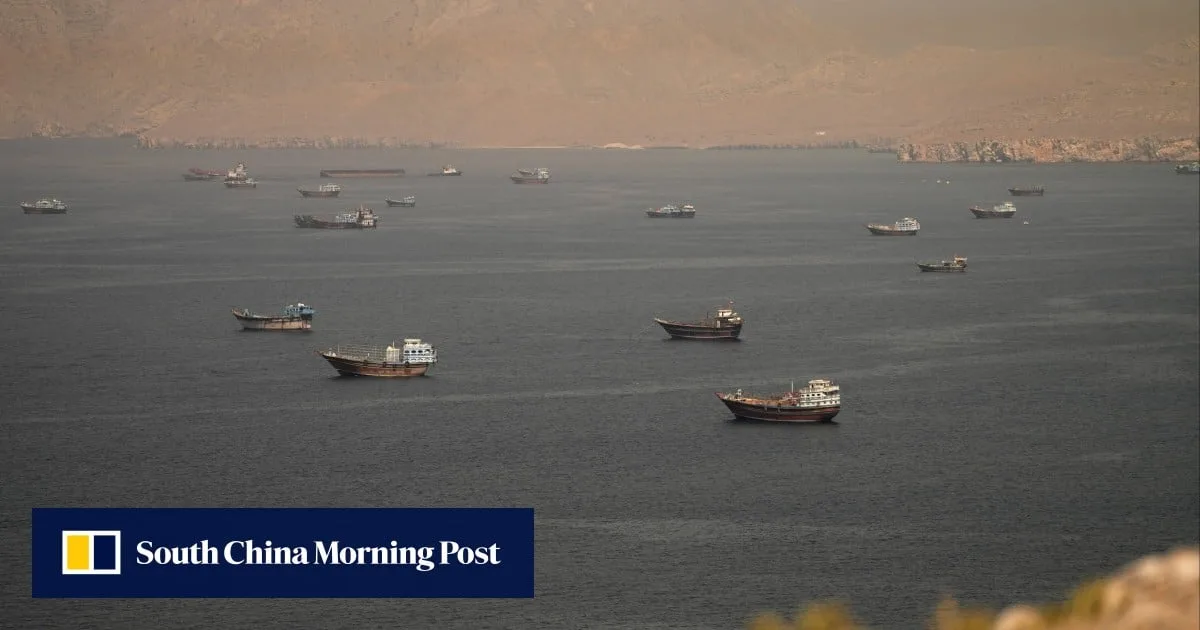
The Strait of Hormuz remains a vital channel, carrying 20% of the world’s oil and natural gas, including about 20 million barrels of crude oil daily in 2024 [6].
Salvage and firefighting operations continued after the July 6 attack, with crews ensuring the fire was contained and the vessel secured [2]. Shipping authorities are monitoring the area amid heightened tensions.