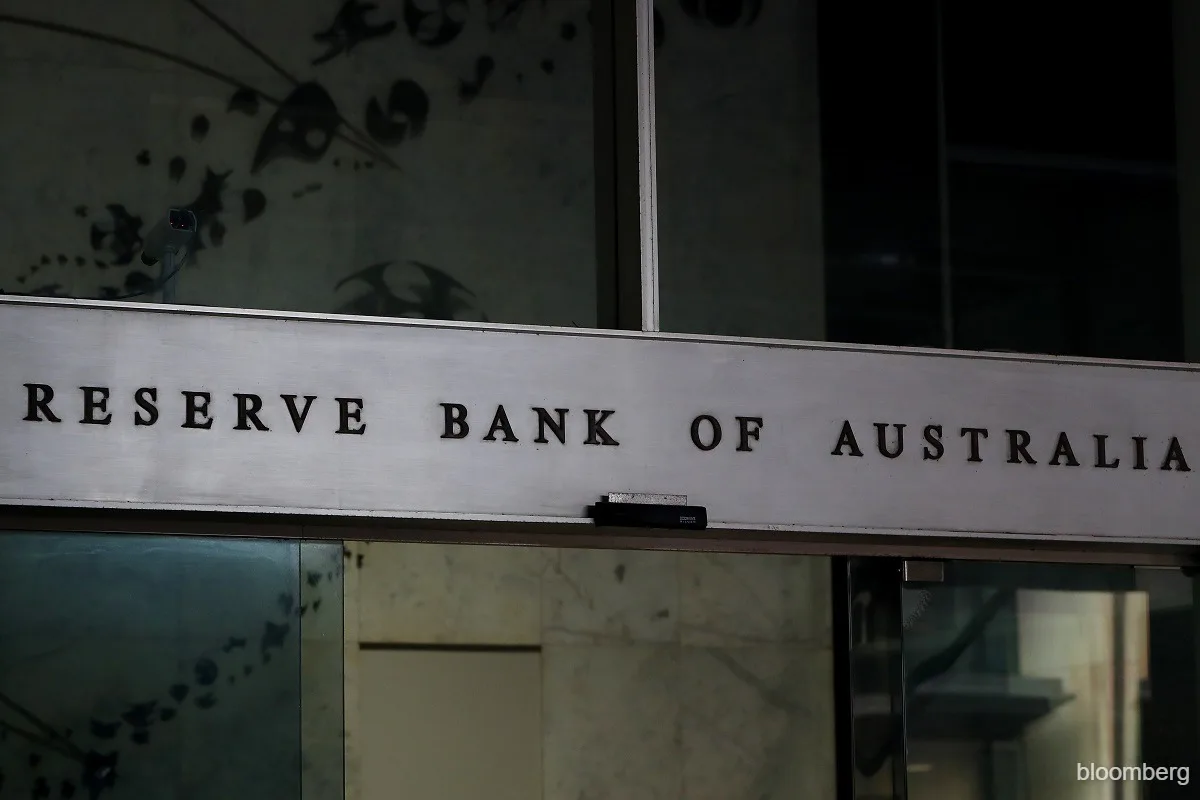
The Reserve Bank of Australia (RBA) announced on August 11 that it would maintain the cash rate at 4.35% following its two-day policy meeting, after raising rates three times earlier in 2026 [1, 2, 3]. The central bank said it could increase rates further if upside inflation risks materialize. "We will continue to do what it considers necessary to bring inflation sustainably back to target, including increasing the cash rate target further if upside risks materialise," the RBA board stated [1].
Headline inflation stood at 3.8% for the year to June 2026, with underlying inflation measured by the trimmed mean at 3.6%, both above the RBA's 2% to 3% target band [1, 2, 3]. The bank expects inflation to return to the target range in the second half of 2027 or by late 2027 [1, 2]. Governor Michele Bullock noted, "A further slowdown in the economy may be required to bring inflation down," highlighting that sustained demand restraint is necessary to ease inflation pressures [2].
Economic growth for 2026 is forecast at around 1.4%, with weaker household spending affected by falling home wealth [1]. Housing prices have dropped steeply in Sydney and Melbourne and then in Brisbane, Perth, and Adelaide [1]. The slowing housing market includes a 20% fall in home loan applications since mid-May and around a 25% decline in investor loan commitments since early 2026 [1, 2]. The RBA describes the current cash rate as somewhat restrictive but has not ruled out further tightening [1, 2, 3].
Consumer spending has remained solid and the labor market continues to add jobs despite the housing downturn [2, 3]. The Australian dollar was steady at about US$0.7055, while three-year government bond yields held at around 4.55% on the announcement day [2, 3]. Swaps markets currently price a roughly 40% chance of another rate hike this year, down from around 50% previously [2, 3].
The RBA warned that renewed conflict in the Middle East could raise oil prices and pose risks to inflation, though the likelihood remains uncertain [2, 3]. The board emphasized it remains focused on keeping inflation from becoming entrenched, stating, "To achieve this, growth in aggregate demand needs to remain subdued to reduce capacity pressures and bring inflation back to target" [2].
The RBA is scheduled to review its monetary policy again at its next meeting later this year as inflation and economic conditions evolve [1, 2, 3].