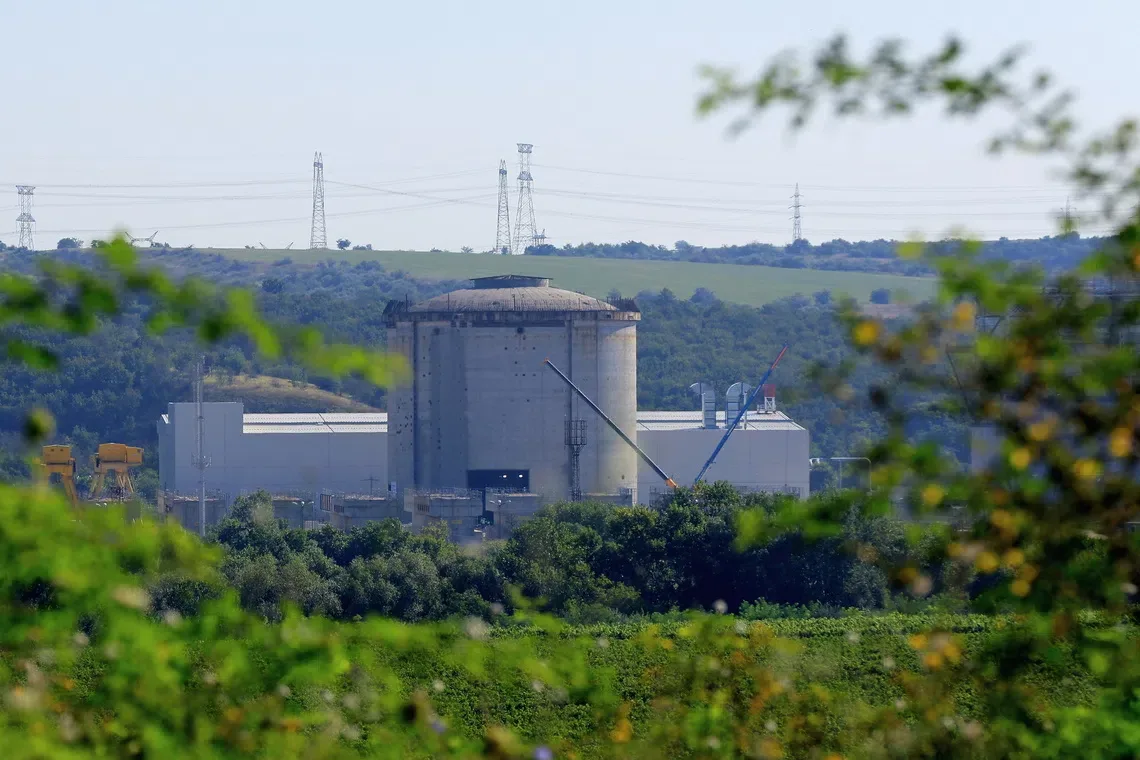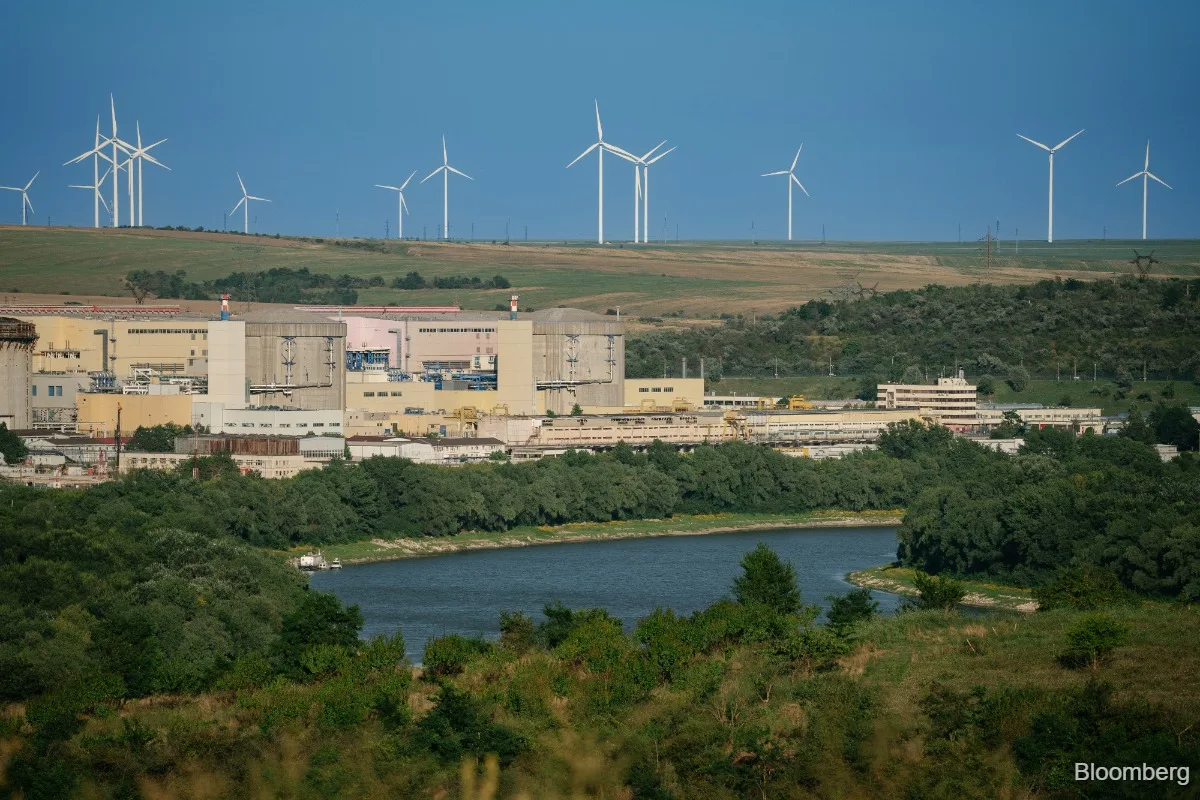
Romania has shut down both reactors at its sole nuclear power plant, Cernavoda, as record-low water levels in the Danube River have made it impossible to cool the reactors safely [1, 2, 3, 4]. The first reactor was taken offline on July 28, 2026, followed by the second on August 13, 2026, fully stopping nuclear generation at the plant [1, 2, 3, 4].
Cernavoda’s two reactors each have a capacity of roughly 700 megawatts, together producing about 18-20% of Romania’s electricity [1, 2, 3, 4]. With the nuclear plant offline, authorities have declared a 30-day energy emergency alert to handle the power shortfall caused by the ongoing drought and shutdown [5, 4].
Efforts to maintain cooling included emergency river engineering works costing over 2 million euros. These involved blasting rock, dredging the riverbed, and sinking four rock-filled barges to divert the Danube’s flow near the plant [2, 5, 3, 4]. However, the measures have not restored sufficient water levels.
Romanian officials are urging consumers to reduce electricity use and have warned that industrial power consumption might be restricted during evenings to conserve energy [2, 3]. To replace nuclear power, the country is depending more on wind, solar, and electricity imports [1, 2, 3].
Nearby Hungary is also facing low Danube water levels affecting its Paks nuclear plant, which has partially shut down three of its four reactors but avoided a full closure so far [1, 2, 5, 3]. Hungarian Prime Minister Peter Magyar said work began on August 12 to build a submerged wall and sink barges to raise water levels to secure reactor cooling [1, 2, 3].
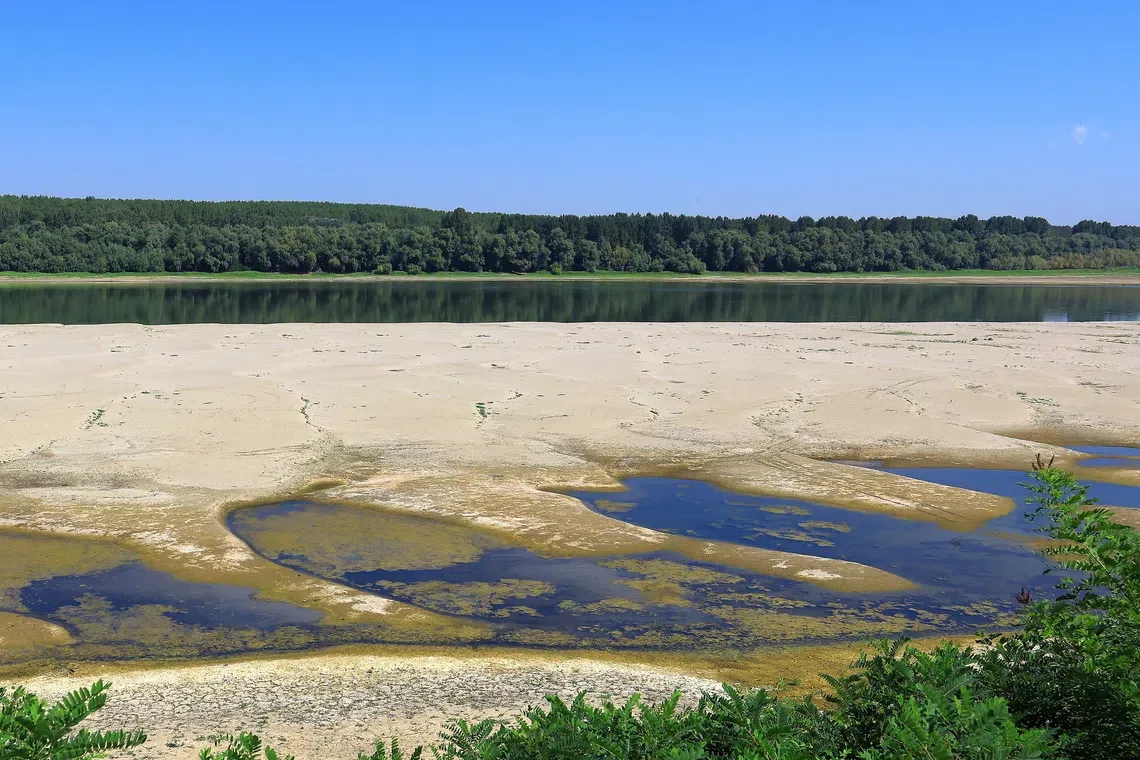
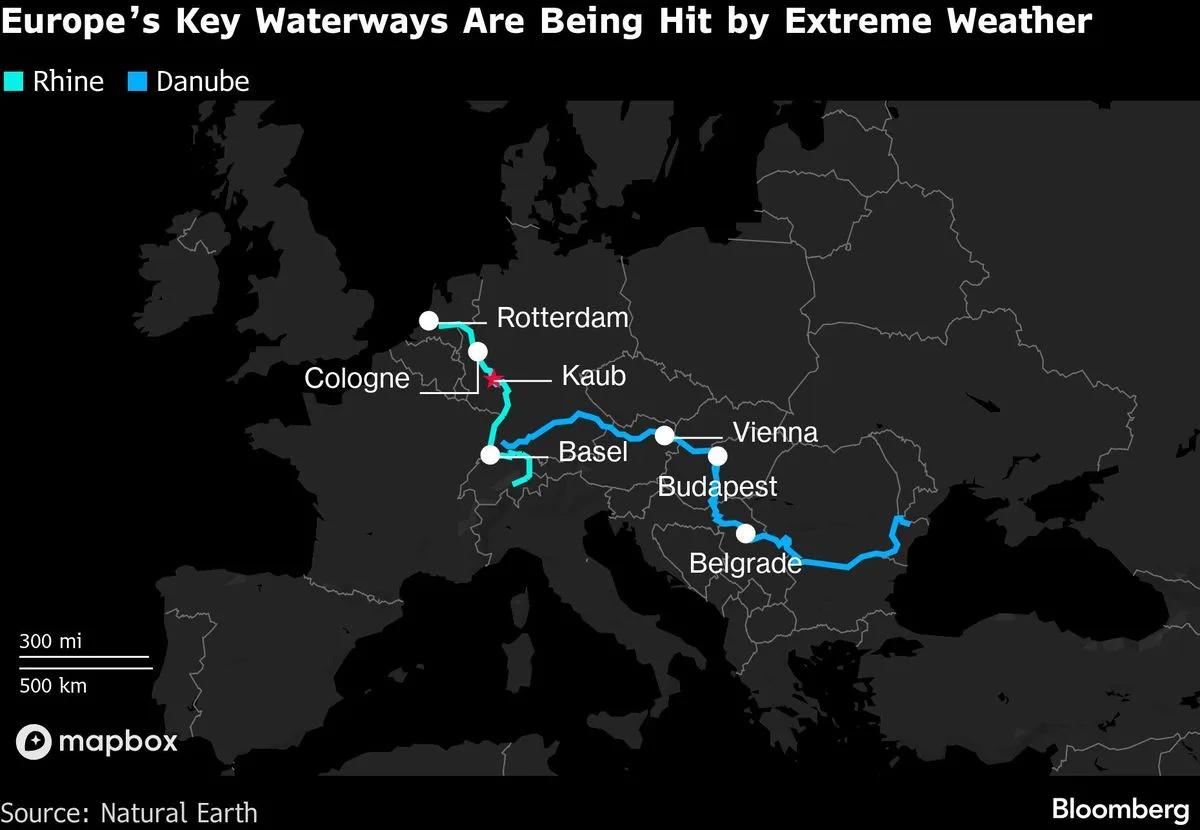
The drought has pushed Danube flow rates along nearly two-thirds of its length to the lowest levels recorded in over 30 years, especially during July and August 2026 [2, 3, 4]. Experts link the drought to human-induced climate change, which is expected to worsen in coming years [2].
France has also reduced nuclear output this summer due to environmental challenges such as river heat and jellyfish swarms harming reactor cooling [5].
Cernavoda plant director Romeo Urjan said, "We do not foresee a restart within the next 10 days," signaling a prolonged outage at Romania’s key nuclear facility [2]. The energy emergency alert remains in effect as the drought conditions continue to put pressure on regional power supplies.