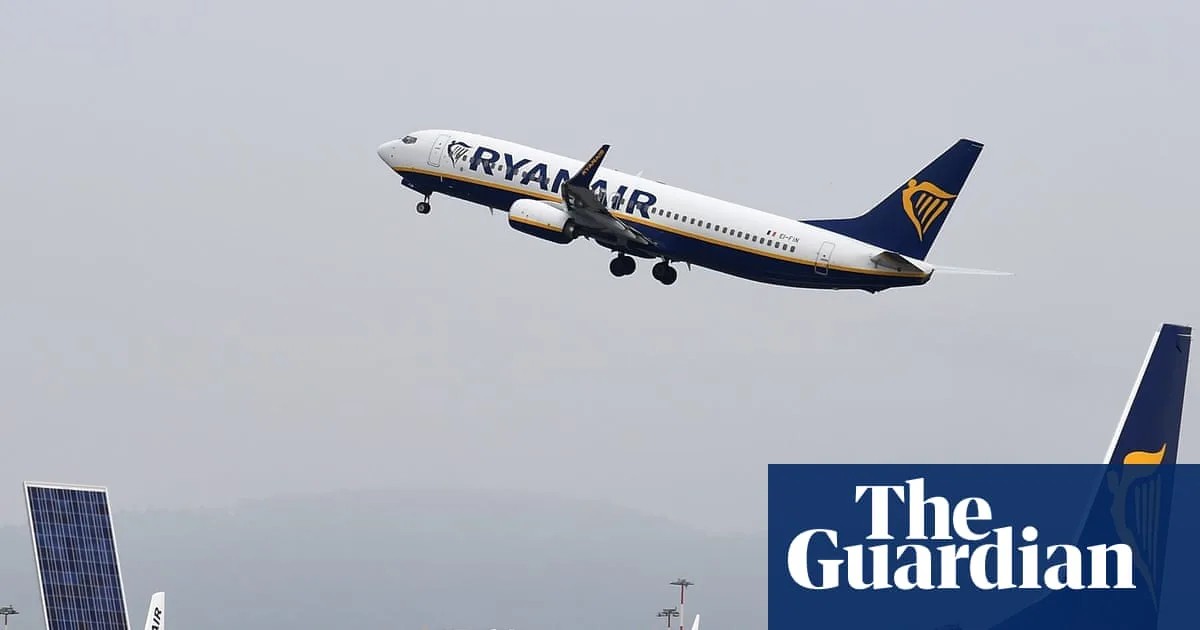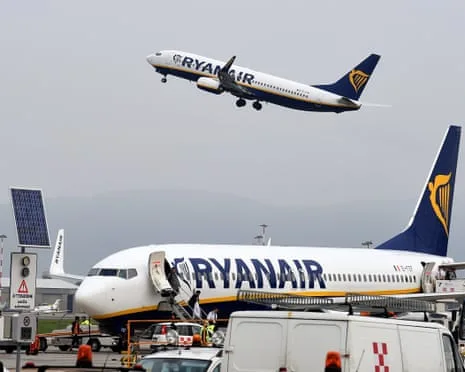
Ryanair announced on September 2 that it has reduced its fiscal 2027 passenger target to 214 million from 216 million to limit exposure to unhedged jet fuel costs over the winter season [1, 2, 3].
The airline expects passenger numbers from November 2026 to March 2027 to remain broadly flat compared with the same period last year, driven by high spot jet fuel prices, which currently hover around $140 per barrel [1, 3].
To hedge against fuel price volatility, Ryanair has locked in about 80% of its jet fuel for fiscal 2027 at roughly $67 per barrel [1, 2, 3]. Despite this, the company plans a reduced winter schedule aimed at cutting losses between €70 million and €100 million [1, 3].
Ryanair also projects a more optimistic outlook for summer 2026, expecting passenger numbers to grow over 5% to 145 million from 138 million [1, 2, 3]. In August 2026, the airline carried 22.2 million passengers, a 6% increase from the 21 million in August 2025, maintaining a steady 96% load factor [3]. Over the past 12 months, Ryanair's passenger traffic rose 5% to 214.4 million with a stable 94% load factor [3].
The airline cautioned that if high oil prices continue into summer 2027, short-haul airfares across Europe will rise significantly. "If high oil prices continue through to summer 2027, Ryanair believes short-haul air fares in Europe will increase materially to reflect higher oil prices, as some less well-hedged competitors will struggle to maintain capacity or even survive this coming winter season," the company said [1, 2].
Ryanair’s warning comes as competitors face similar pressures; Wizz Air reported a 25.9% increase in passenger numbers last month compared to a year earlier [1, 2].
The airline’s next major update is expected after the winter season when full passenger figures and financial results for fiscal 2027 begin to materialize.