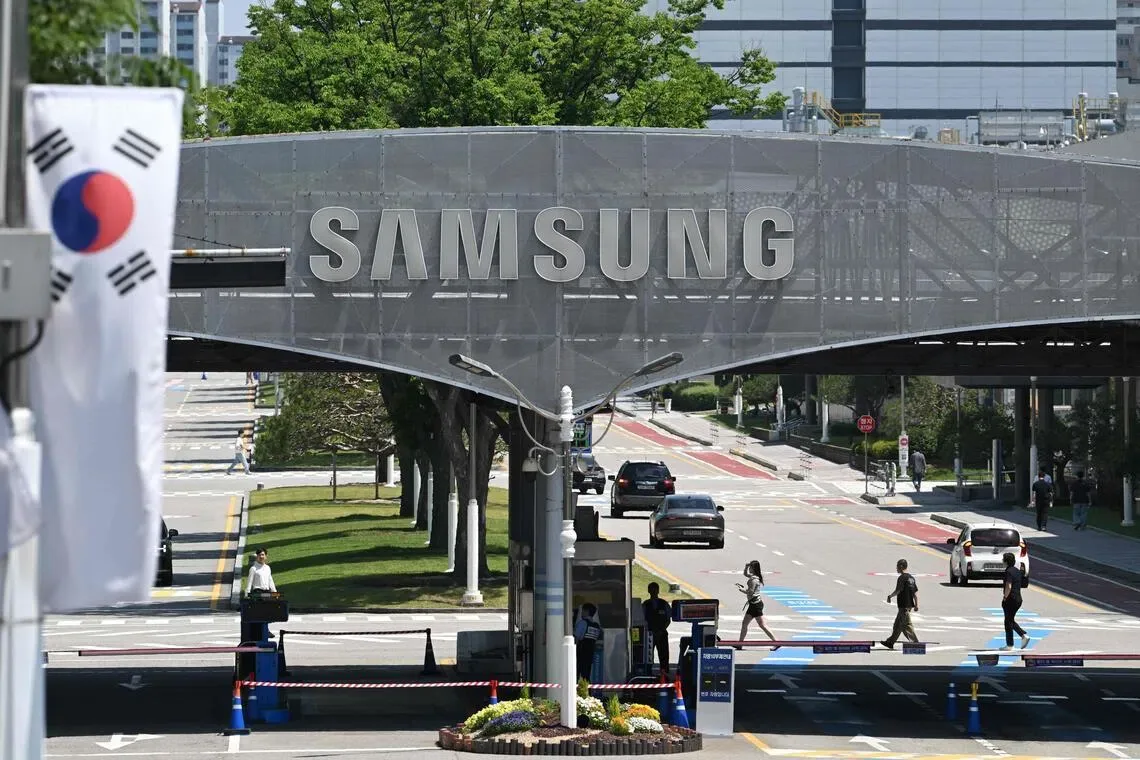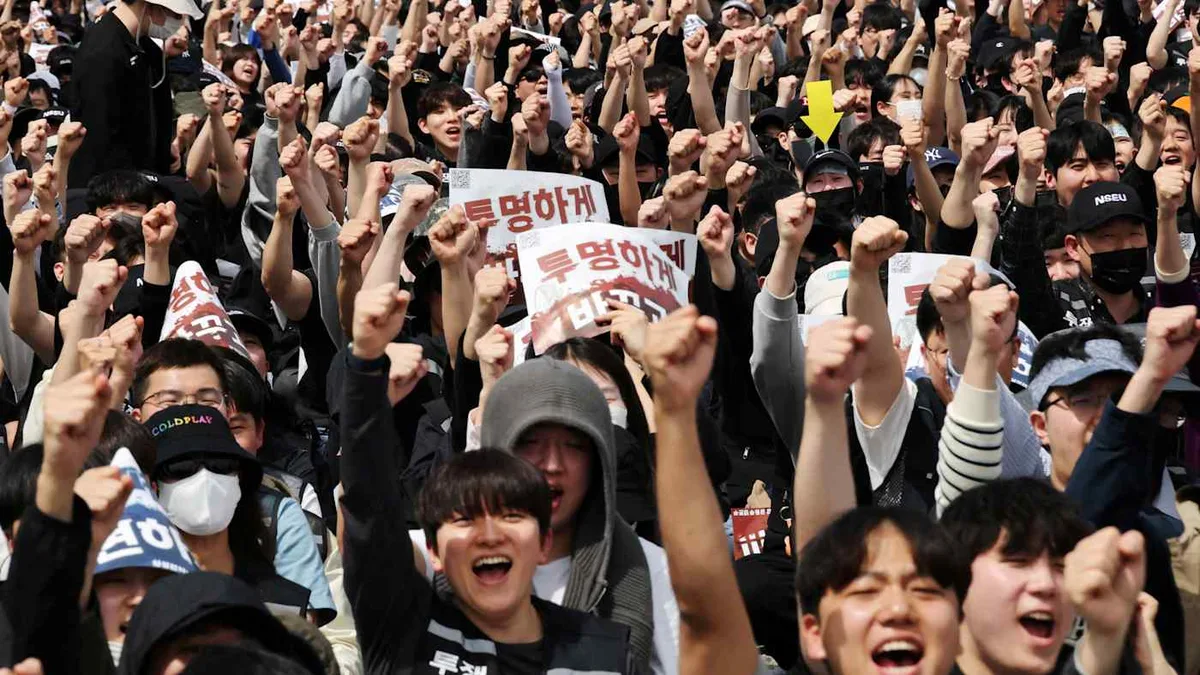
Samsung Electronics' unionised workers in South Korea voted on May 27, 2026, to approve a tentative wage and bonus deal, ending the threat of an 18-day strike that could have disrupted chip supplies and the national economy [1, 2, 3, 4, 5]. About 74% of the 62,616 union members who cast ballots supported the agreement, according to a South Korean union representative who noted the vote "averted a strike that threatened to rattle global chip supplies and damage the South Korean economy" [1, 2, 6, 5, 7].
The ratified deal includes a 6.2% average wage increase alongside a new 10-year special bonus system for the semiconductor division, which allocates 10.5% of that division's operating profit as bonuses distributed over at least a decade, contingent on profit targets [1, 2, 8, 3, 4, 9, 5, 7]. Bloomberg estimates the total semiconductor worker bonus pool to be around $26.6 billion, while the Financial Times put it at $22.6 billion [10, 7].
Samsung employs roughly 78,000 people in its semiconductor division out of 125,000 domestic workers overall [8, 3, 4, 9, 7]. Semiconductor workers will receive bonuses averaging in the range of $340,000 to $400,000 each this year, mostly paid in shares [8, 3, 4, 6, 10, 7]. Some sources note slightly differing estimates, with bonuses averaging about $370,000 or around 509 million won (approximately $400,000) [8, 3, 4, 6, 10, 9, 7].
Workers in other Samsung divisions, such as consumer electronics, expressed tension and resentment because their bonuses are much smaller compared with the chip division’s [1, 8, 3, 4, 5, 7]. Samsung’s semiconductor arm recorded an approximately 750% year-on-year operating profit jump in the first quarter of 2026, amid surging global demand for memory chips needed by AI systems [3, 4, 9]. Investment strategy director Anna Macdonald noted investors are shifting focus from graphics processors to memory chips "which are essential for storing and moving the vast amounts of data AI systems rely on" [8].
Samsung Electronics accounts for about 12.5% of South Korea’s GDP, with memory chips representing roughly 35% of the country’s exports [3, 4, 9, 7]. South Korean Prime Minister Kim Min-seok warned the planned strike would cost the economy nearly $669 million in direct losses [7].
The tentative agreement was initially reached on May 20 after last-minute mediation by South Korea’s Labour Minister [1, 2, 5]. The strike, slated to begin on May 21, was averted by the union’s final vote during May 22–27 [3, 4, 9, 5, 7].