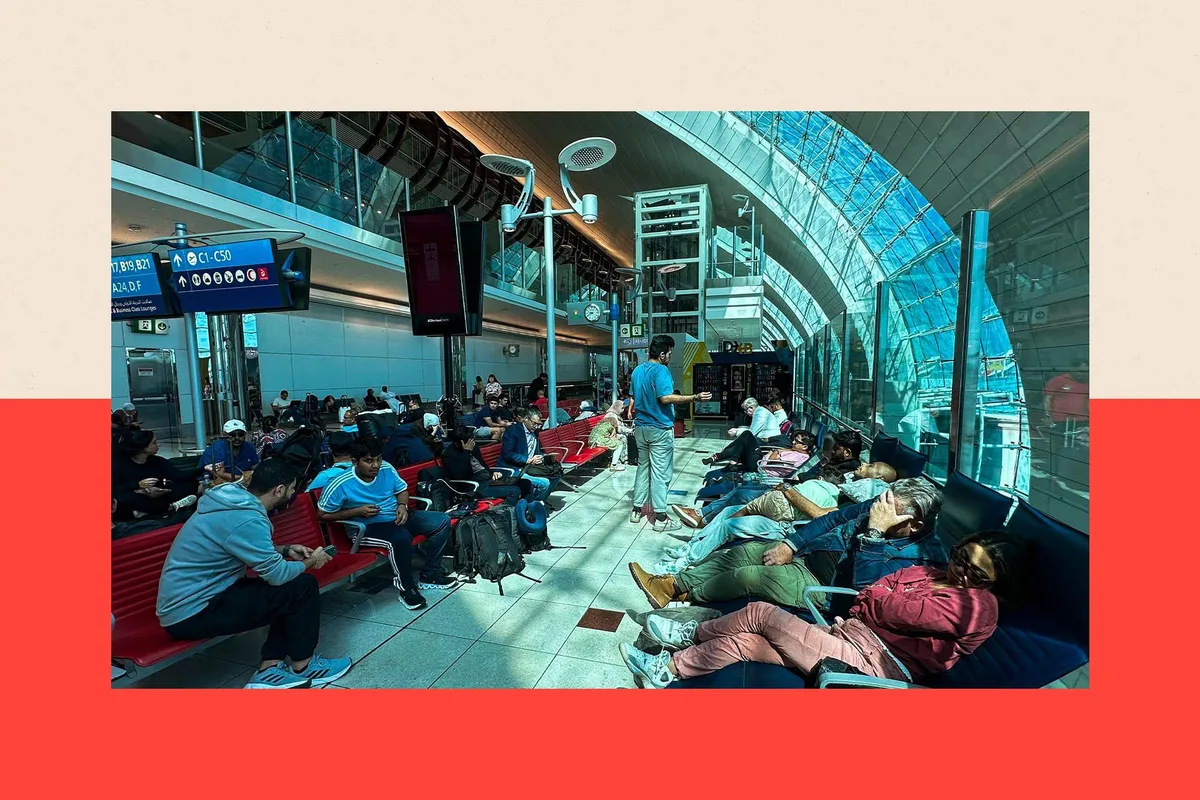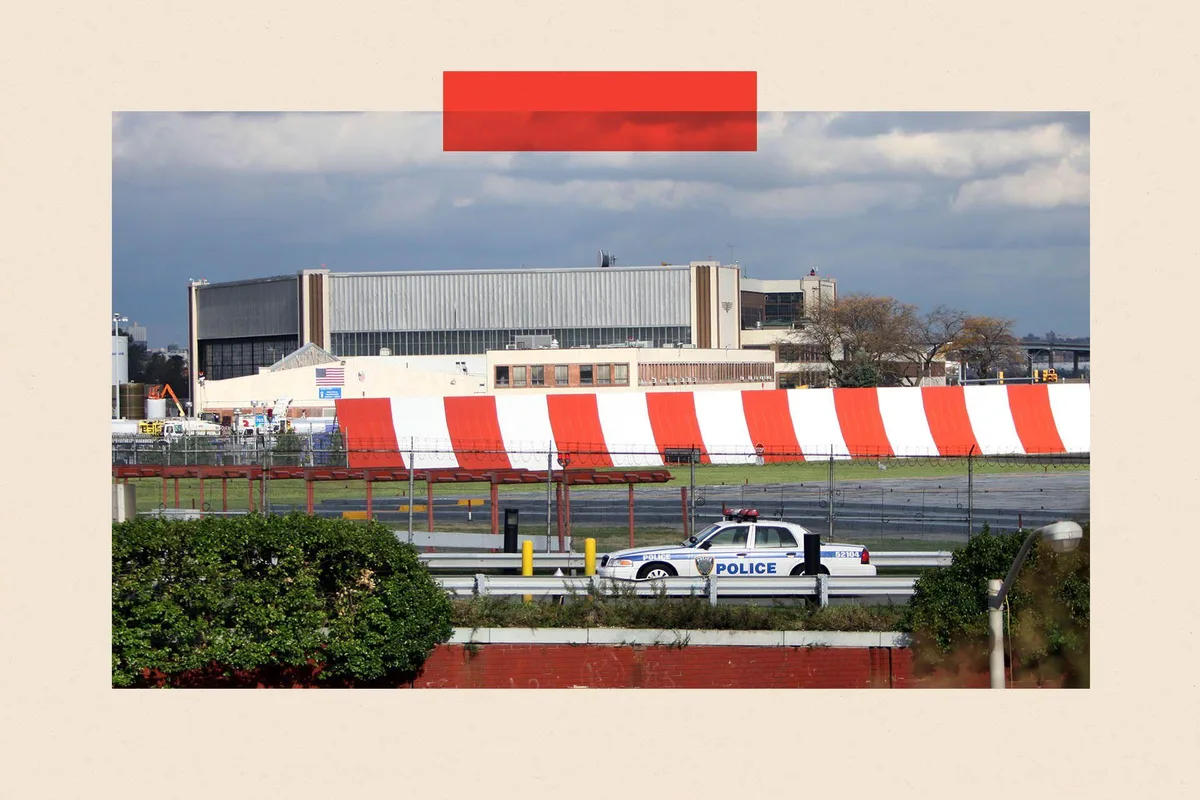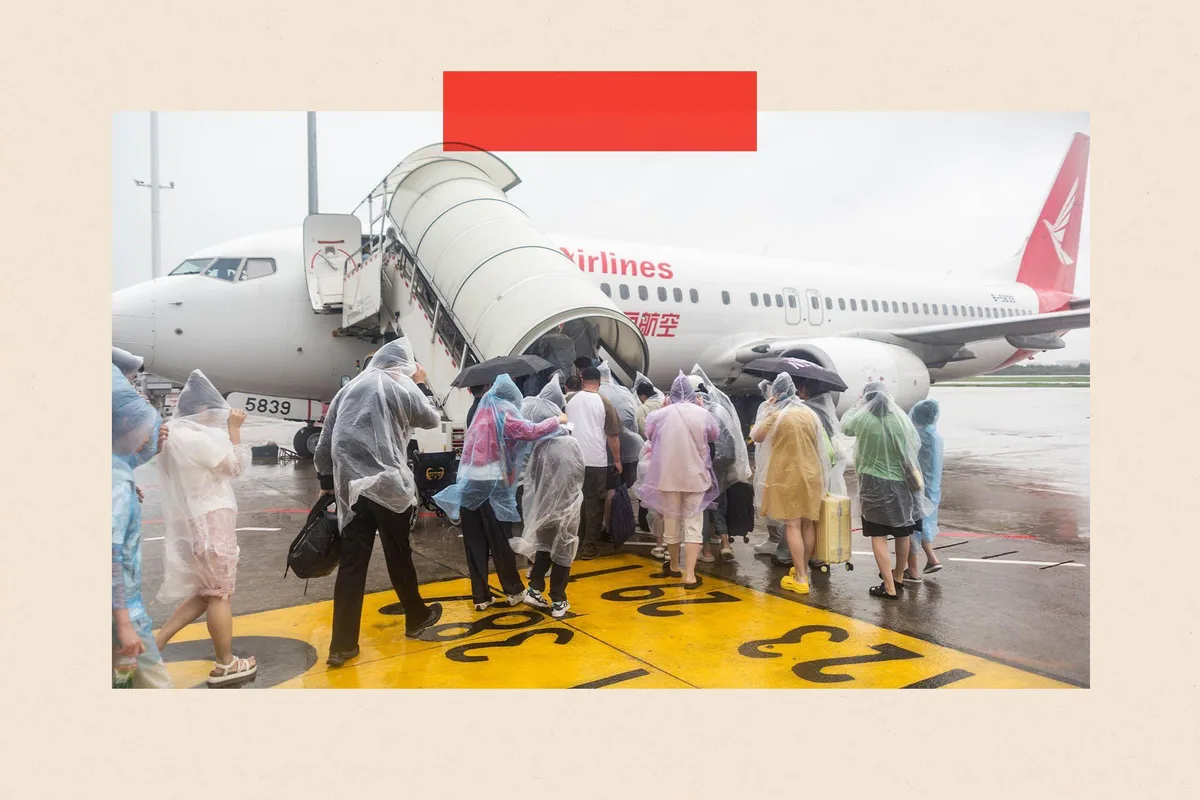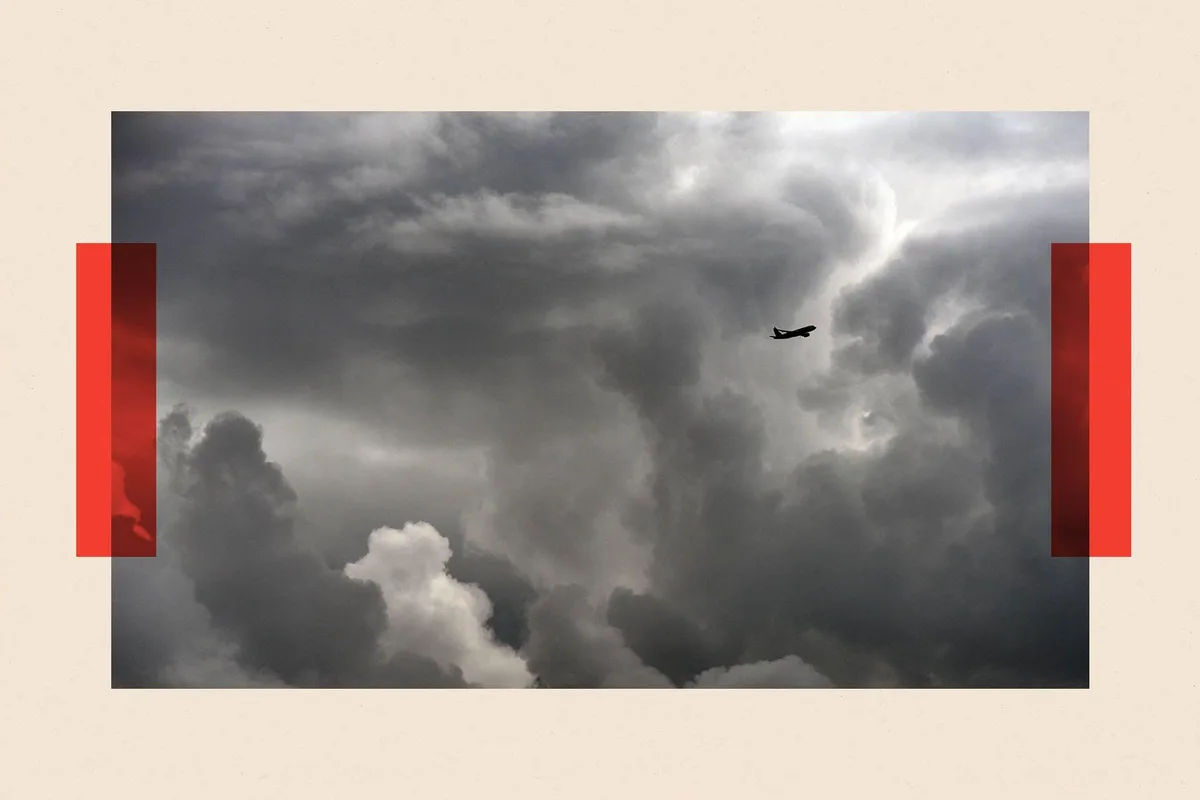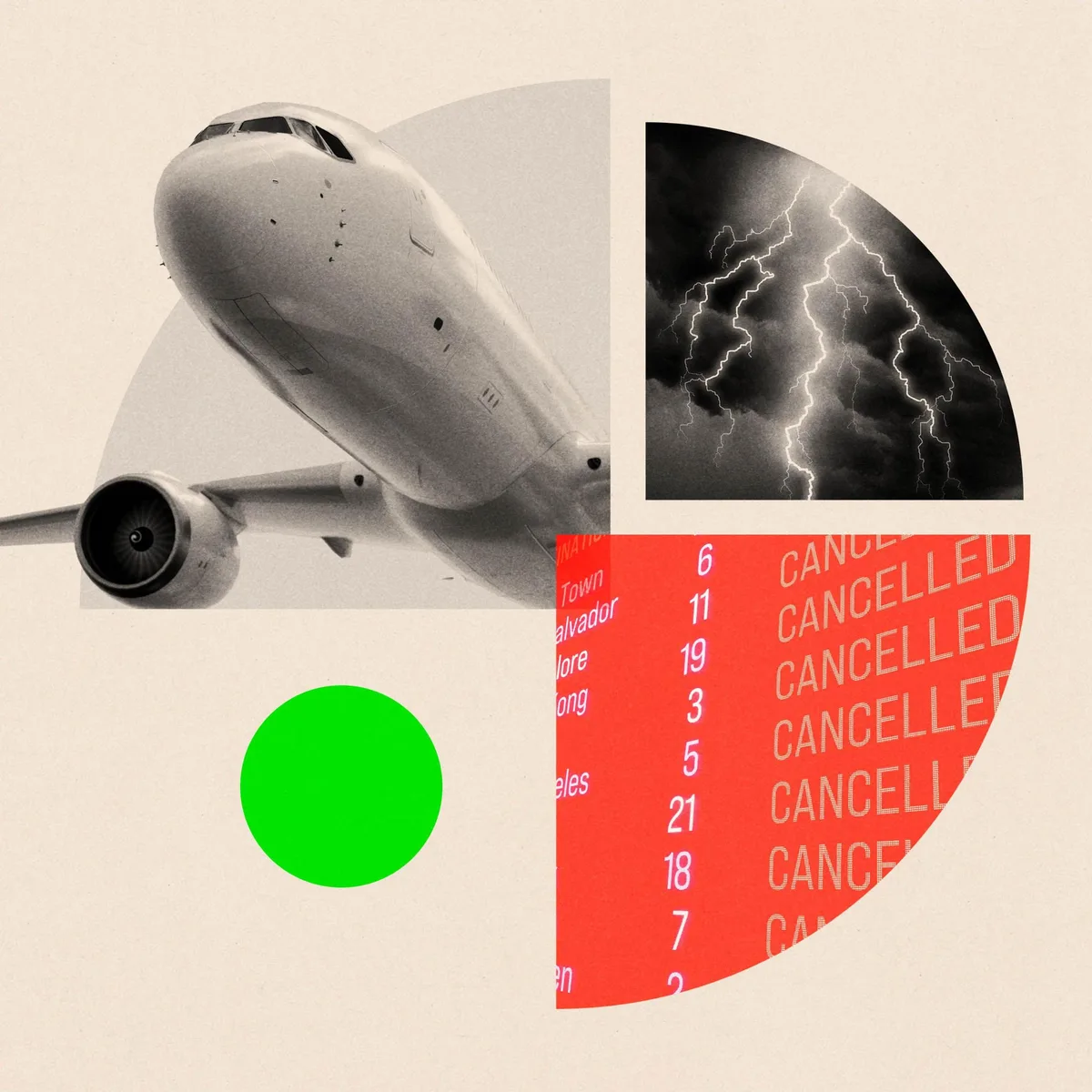
Severe thunderstorms and heatwaves in late June 2026 disrupted air traffic at London’s Heathrow and Gatwick airports, delaying around 900 flights and prompting numerous cancellations, some delays lasting up to 11 hours [1, 2, 3]. The storms over southern England and northern Europe caused significant airspace congestion, forcing many planes to remain grounded or reroute, affecting thousands of passengers [1, 2, 3].
Pilots avoid flying through convective storms due to hazards like severe turbulence and hail damage, relying on tactical weather radar and forecast tools that have limited long-range storm planning ability [2, 3]. Unplanned rerouting often happens late in flights, increasing fuel use as planes divert to alternate airports. By law, aircraft must carry fuel to reach a secondary airport plus an additional 30 minutes of flight time [2, 3].
Tim Atkinson, an airline risk consultant and former pilot, warned that simultaneous disruption of all major London airports—including Heathrow, Gatwick, Luton, and Stansted—is a realistic and growing risk. He said, "We’re going from the kind of weather activity which takes out an airport... to a situation where, with very little predictability, it would be possible to lose all of the London airports from real-time operation quite swiftly and with little notice" [1]. He emphasized rapid climate change is moving the system toward sudden multi-airport outages [2].
However, aviation consultant Andrew Charlton views the risk as low and manageable. He said, "You always have to imagine the worst-case scenario. But I think we need to put it in the right context... I’m quite confident in the industry’s ability to respond and make the right calls… This isn’t the thing that would keep me awake at 3am" [2].
Meteorologists explain thunderstorms originate when warm, moist air rises and condenses into storm clouds. With every 1°C temperature increase, the atmosphere holds roughly 7% more moisture, potentially increasing storm intensity even if the total number does not rise [2, 3]. The UK and northern Europe may see more frequent intense storms due to climate change and atmospheric instability [1, 2, 3].
The most recent major disruption occurred on June 27, when severe storms hit during the start of the summer holiday season, causing widespread delays and rerouting at Heathrow and Gatwick [1, 2, 3]. The next key factor will be monitoring how airports and airlines adjust to increasingly volatile weather, with particular focus on fuel reserves and alternate airport capacity during possible simultaneous disruptions.