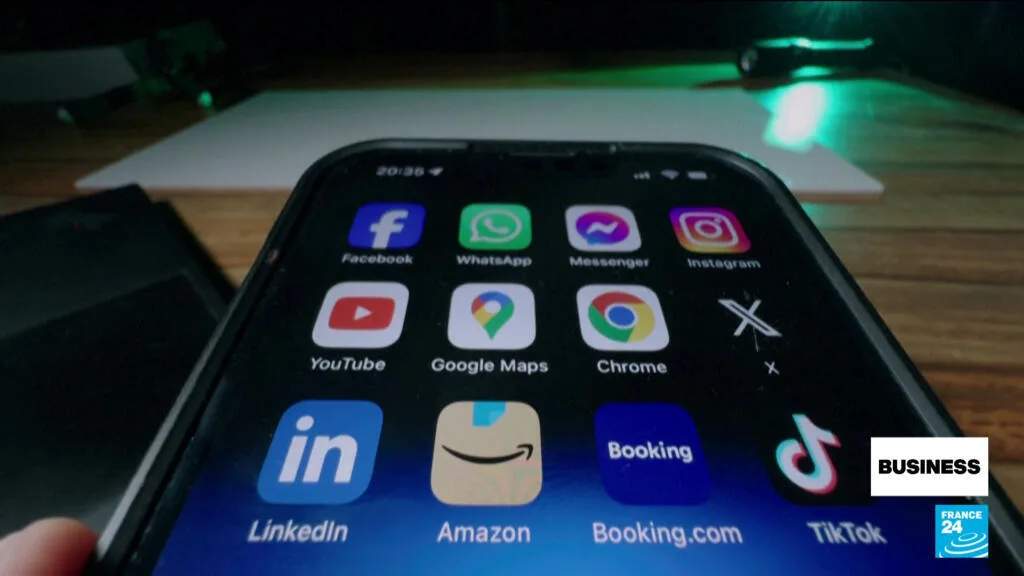
Social media and video platforms became the most widely used sources of news worldwide in 2026, reaching 54% of respondents, surpassing traditional media for the first time, according to the Reuters Institute's 2026 Digital News Report published June 15-16.
Including AI chatbots like ChatGPT raises that figure to 56%, with about 10% of respondents using AI chatbots weekly for news, up from 7% last year [1, 2, 3, 4, 5, 6, 7]. Traditional television news still reaches 52%, newspaper apps and websites 51%, and radio 21% globally.
Approximately 30% of respondents named social media or video platforms as their main source of news, with half of 18-24 year olds relying primarily on these platforms. Older demographics—ages 45-54 and 55+—remain more dependent on television news [1, 3, 4, 5, 6]. Jim Egan, lead author of the report and former BBC executive, said, "2026 marks a significant milestone: for the first time, social media and video network consumption is now ahead of other news sources as the most widely used source of news globally" [1]. He described the change as "more a drift rather than a shift, but... nevertheless an important moment" [4].
Different social networks shape distinct news experiences. Users of X and YouTube actively seek news, while Facebook, Instagram, and TikTok mostly expose users to news incidentally during other browsing [3, 4, 5, 6]. Global trust in news has fallen to a record low of 37%, with 62% expressing concern over fake news. Taiwan's trust in news stands even lower at 25%, down 5 points from 2025; around half of Taiwanese respondents worry about fake news. Taiwanese scholars say restoring trust requires audiences to expect fact-based reporting untainted by political bias and for media to meet these public expectations [4, 7].
Only about 17% of respondents worldwide pay for online news subscriptions. Google and Meta dominate digital advertising revenue, diverting funds from traditional news outlets [3, 4, 6]. Egan added that "how to respond to the rapid development and popularisation of generative AI is the most significant challenge facing news leaders and policymakers today" [3].
The report is based on online surveys conducted early 2026 by YouGov of nearly 100,000 people in 48 countries [1, 2, 3, 4, 5, 6, 7].