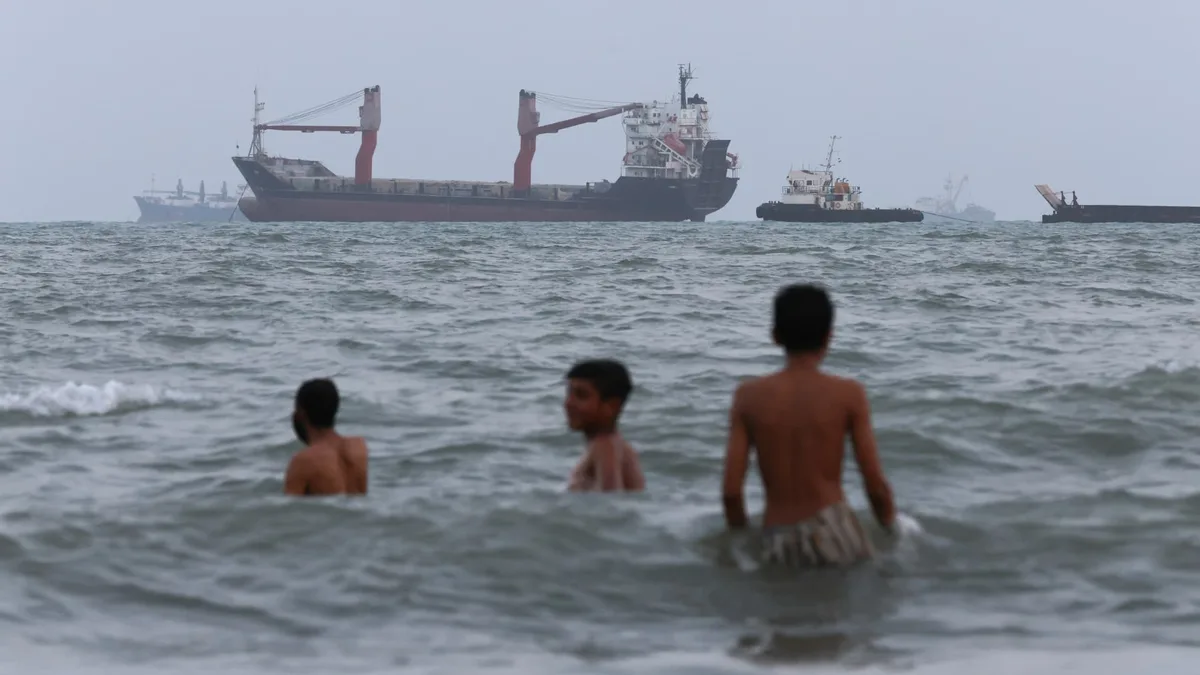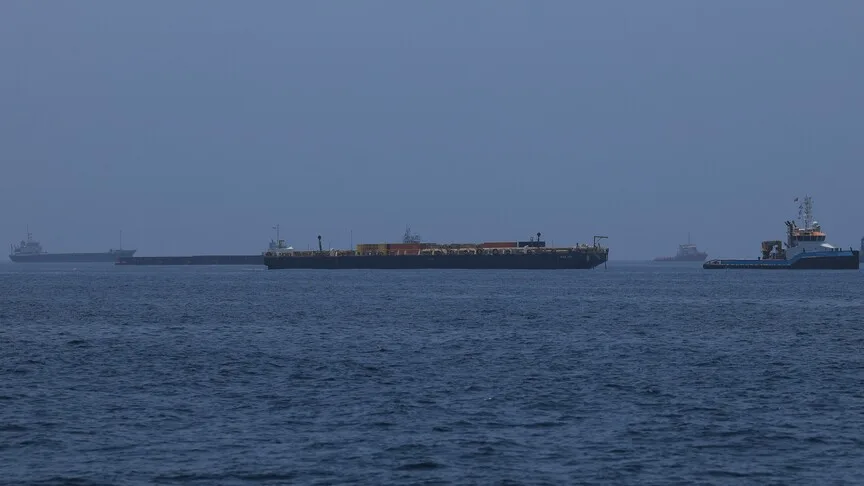
A tanker was hit by an unknown projectile on Tuesday in the Strait of Hormuz near the Omani coast, causing a fire that has since been extinguished, authorities and maritime sources said [1, 2, 3].
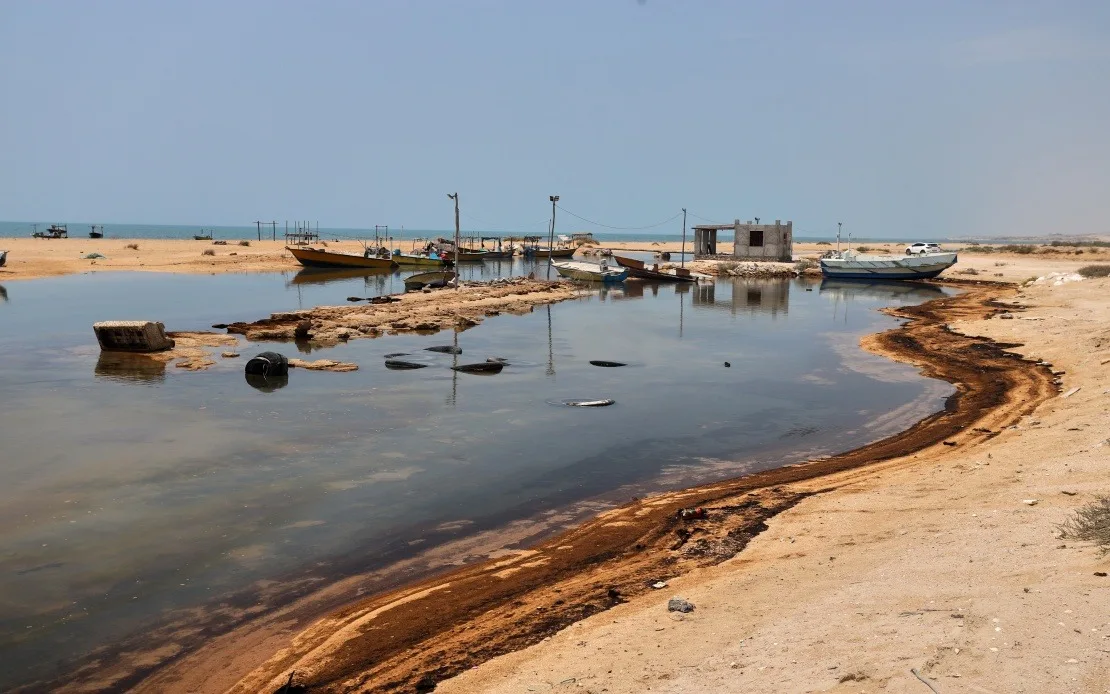
All crew members on board the vessel are reported safe and accounted for. Officials confirmed there has been no environmental damage from the incident [1, 2, 3].
The UK Maritime Trade Operations (UKMTO) reported the attack on August 27, two days after the strike occurred. Investigations into the circumstances surrounding the attack are ongoing [1, 3].
Traffic through the Strait of Hormuz has dropped significantly since the conflict escalated. On Tuesday, only 5 vessel crossings were confirmed, compared with over 130 daily before the war began [2]. All five used a unilateral shipping route designated by Iran, reflecting attempts to maintain some maritime traffic despite tensions [2].
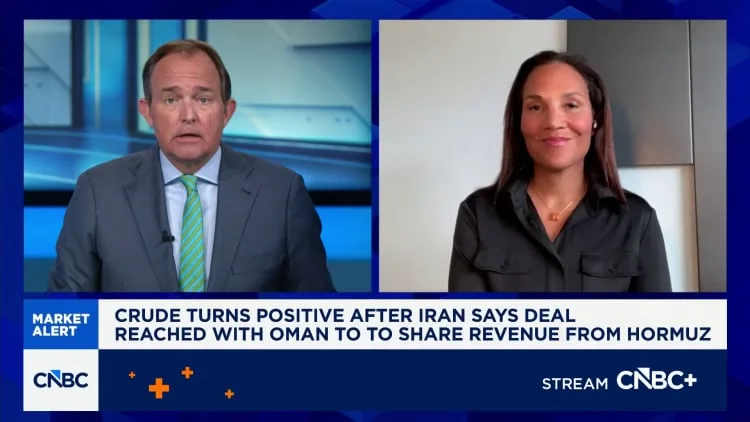
Iran and Oman have agreed on a temporary maritime corridor intended to restore safer passage through the strategically crucial waterway [2]. However, Iran’s Deputy Foreign Minister Kazem Gharibabadi warned that the strait will not fully reopen until the United States fulfills commitments from an interim peace deal [2].
The U.S. military continues to enforce a naval blockade against Iranian ships and escorts oil tankers navigating the southern Omani lane of the strait [2]. In response to U.S. sanctions, Iran’s Foreign Minister Abbas Araghchi called on the United Nations to condemn these measures as "economic terrorism" and illegal [2].
Former U.S. President Donald Trump commented on the situation, stating, "Yes, every once in a while there will be a drone or a rocket or something shot, but it is a very functioning strait. A lot of oil is pouring out." He added that mines have been cleared, maintaining the waterway’s operational status despite attacks [2].
The incident adds to ongoing tensions in the region as authorities continue their investigations. Shipping activity and security protocols through the Strait of Hormuz remain tightly controlled amid these challenges [2].