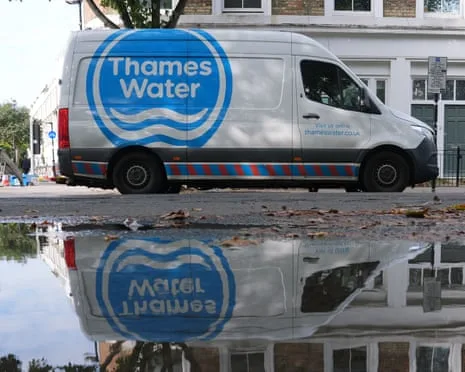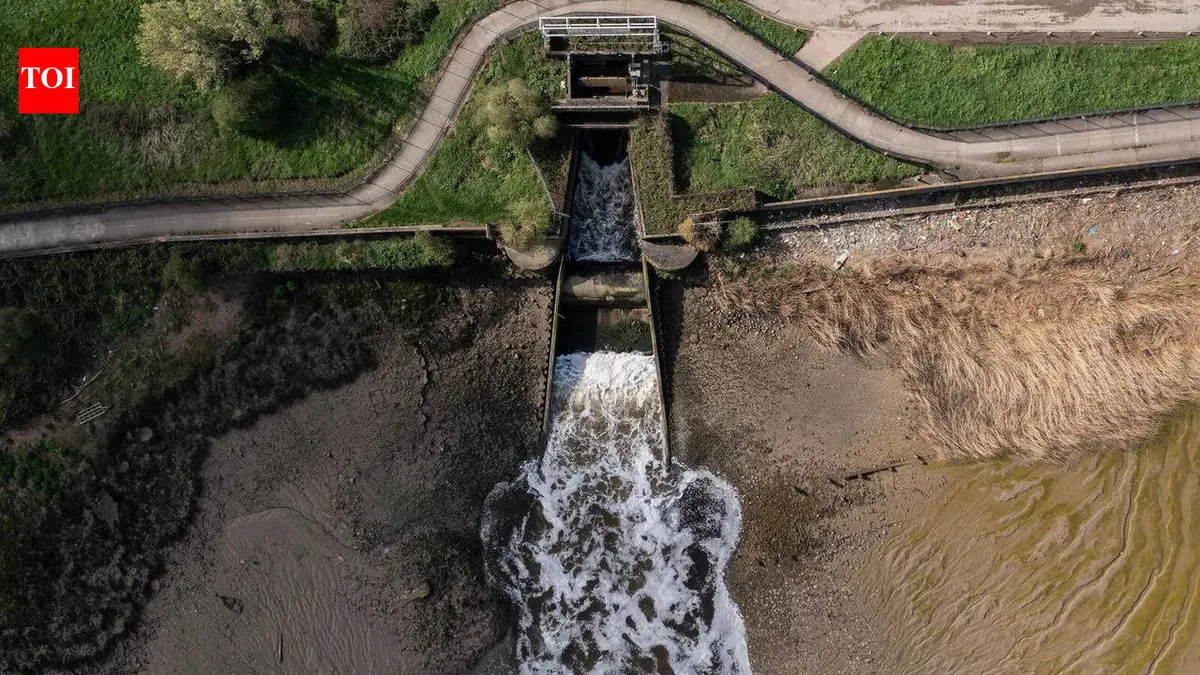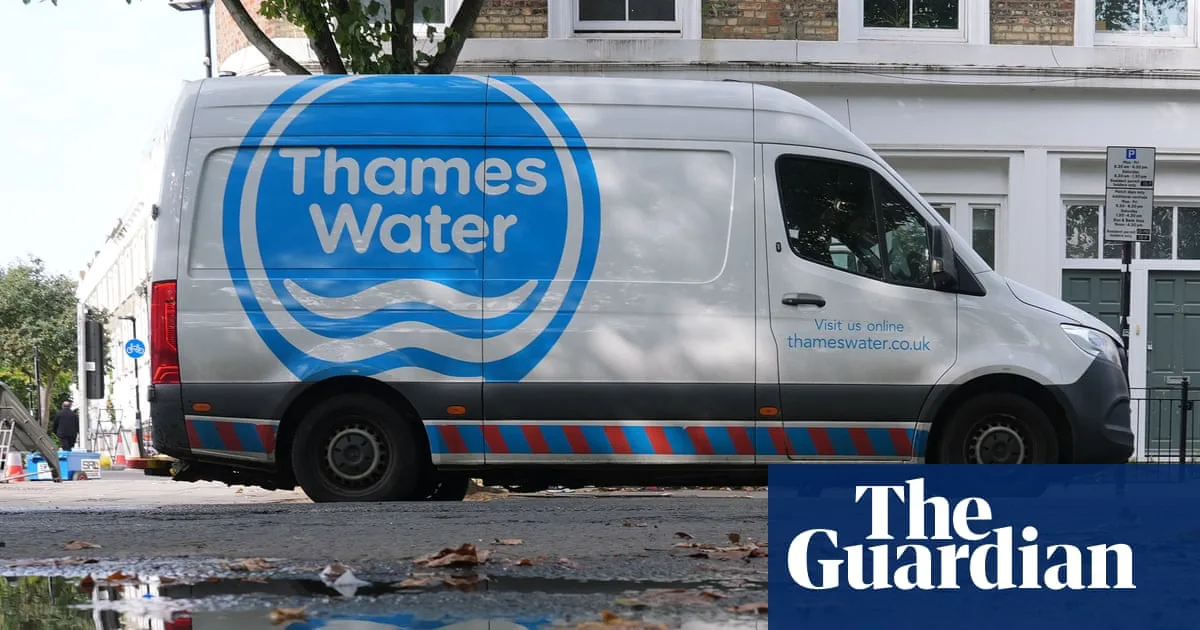
UK Environment Secretary Emma Reynolds has formally objected to a £10 billion rescue proposal for Thames Water, warning that the plan would place an “undue burden” on consumers [1, 2]. The water utility serves about 16 million people across London and southern England, providing essential water and sewage services [1, 2].
Thames Water has amassed a debt load ranging from £17.6 billion to nearly £20 billion under successive private owners since its privatization, hampering its financial stability [1, 2]. The rescue package aims to address this by injecting £3.35 billion in fresh equity and providing up to £6.55 billion in new debt funding. Additionally, approximately £20 billion would be earmarked for long-term infrastructure investment [2].
The funding would come from a consortium of creditors, including hedge funds and investment firms such as Elliott Investment Management, Silver Point Capital, BlackRock, M&G, Invesco, and Apollo Global Management [1, 2]. These creditors would gain control through a debt-for-equity swap, though there would be restrictions on dividend payments for several years [2].
Reynolds raised concerns in a letter to the regulatory body Ofwat on June 15 that the financial restructuring could result in excessive costs passed onto consumers [1, 2]. Failure to approve the rescue could trigger the company entering the Special Administration Regime, a form of temporary nationalization aimed at stabilizing critical water services [1, 2].
Thames Water’s struggles have worsened over the past two years, including a failed sale process after private equity firm KKR withdrew as preferred bidder in 2025 [1].
Calls for nationalization have been put forward by Labour figures. Andy Burnham, Labour’s candidate in the Makerfield byelection, said earlier this year that public ownership of water companies “would absolutely be an option” under his leadership [1].
The British government will continue to assess whether to approve the rescue plan or allow Thames Water to enter Special Administration, with the outcome pivotal to the company’s financial future and customer impacts [1, 2].