The UK government plans to challenge the European Union’s new steel import quotas, which reduce tariff-free steel imports from non-EU countries by 47% compared to 2024 levels starting July 1, 2026 [1, 2]. The UK will implement its own steel import quota cuts of around 60% from the same date [1].
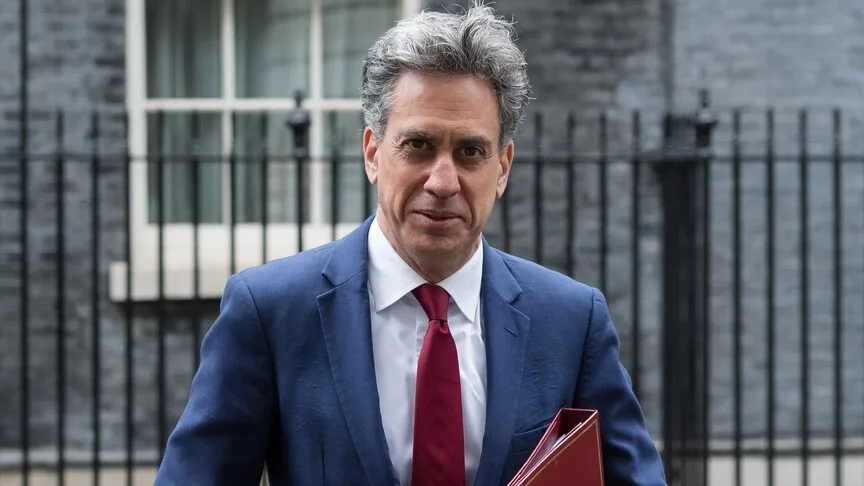
UK Business Secretary Peter Kyle will meet EU Trade Commissioner Maroš Šefčovič in Brussels on June 5, 2026, to raise concerns about the impact of the EU’s quota reductions on British steel exporters [1, 2]. The UK steel industry has warned that the EU’s quota system could have "devastating" consequences for their exports [1, 2].
The UK government says its 60% quota cut is flexible and can be adjusted if the EU offers reciprocal changes, while the EU quota is strictly capped at 50% of current levels [1].
The UK’s new quotas will sharply limit imports from the EU, reducing hot coil imports to 9%, tin mill imports to 4%, and merchant bars to 3% of previous levels [1]. European Steel Association Eurofer has criticized these cuts. Its director general Axel Eggert said, "UK’s provisional quotas would slash their exports of organic coated products by 80% with rebar steel down 45% and steel rails down 38%" [1].
Both the UK and EU say the safeguard measures aim to protect their steel industries from Chinese imports, but an unnamed EU diplomat said the quotas "will bring economic costs for both sides and will bring slightly higher costs for the UK" [1].
The quota regimes take effect on July 1, 2026, with the UK’s implementation coinciding with the EU’s new safeguard regime [1, 2]. The upcoming meeting in Brussels on June 5 will be the first formal discussion between the UK and EU trade officials on this issue [1, 2].