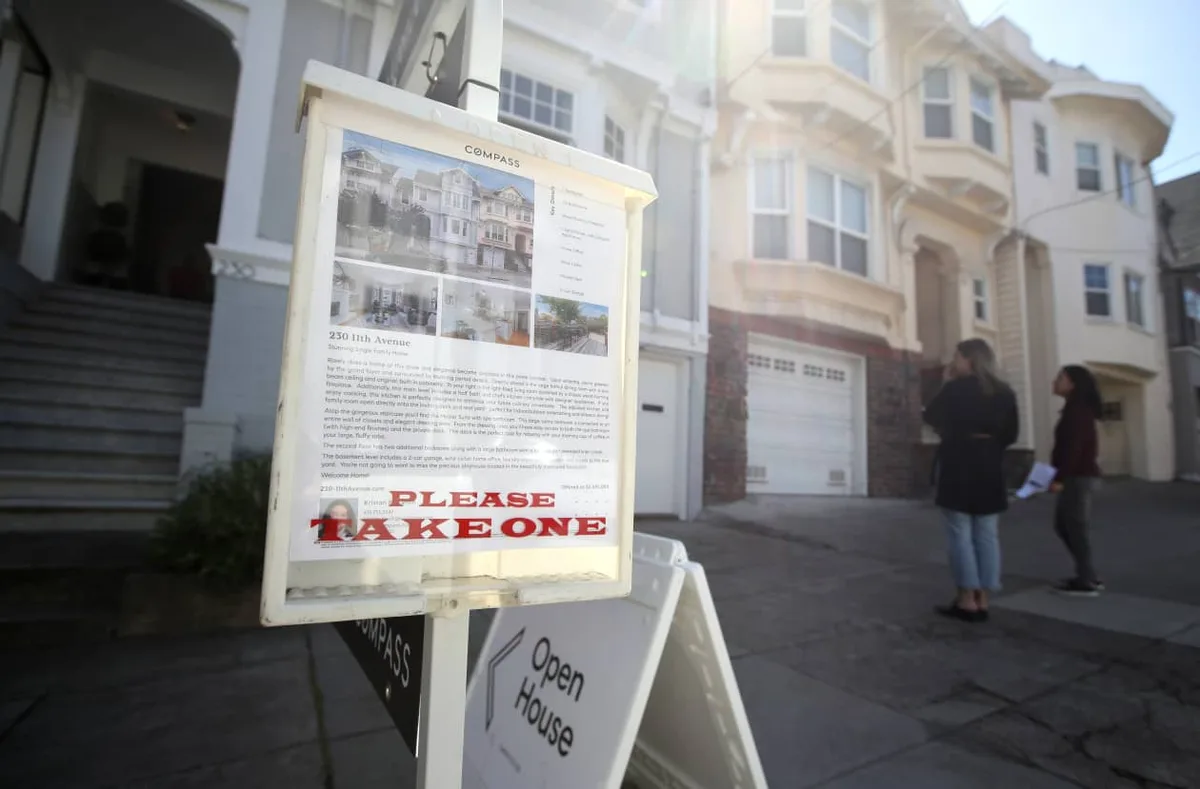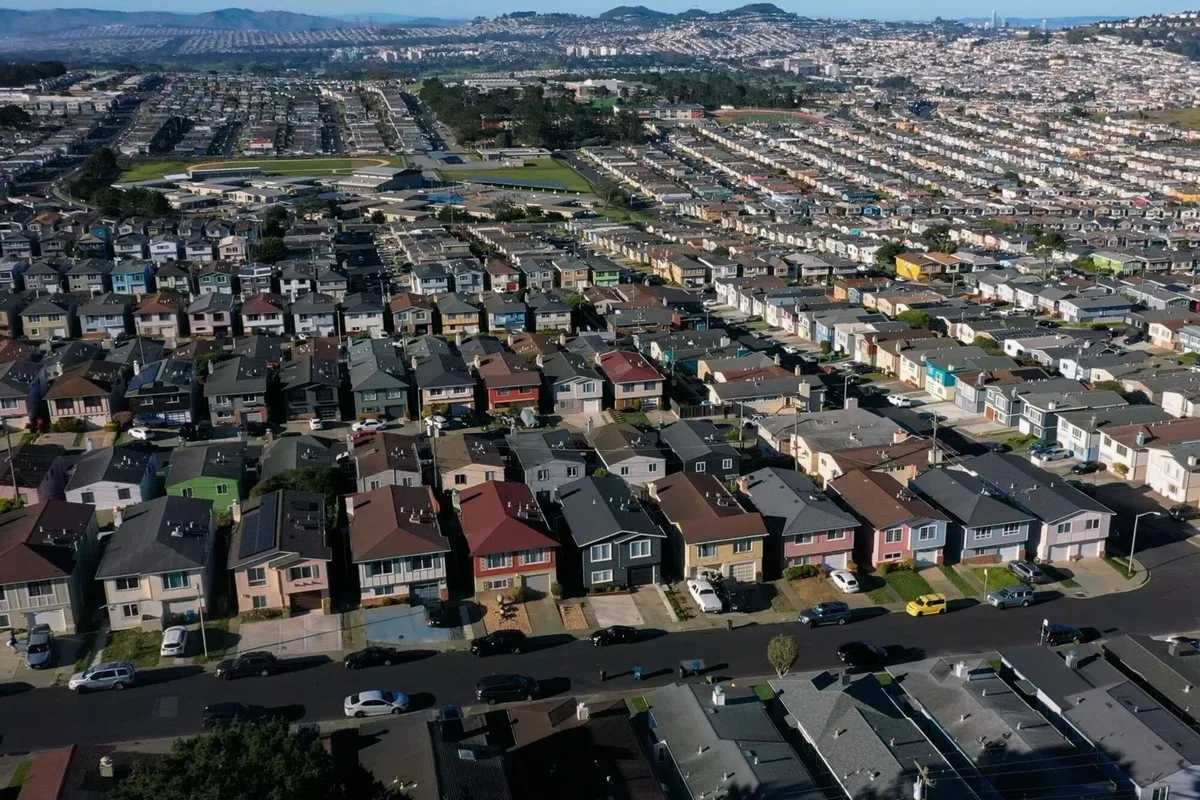
The average 30-year fixed-rate mortgage in the US decreased slightly from 6.37% last week to 6.36%, marking a minor reversal after rates had risen for two consecutive weeks [1, 2]. This rate remains below last year’s average of about 6.81% [1, 2].
Despite surging inflation driven by higher energy and grocery costs in April, mortgage rates remained roughly flat, offering some relief to borrowers [2]. At the current rate of 6.36%, a borrower with a $1 million mortgage would face monthly payments of approximately $6,229, excluding insurance and taxes [2].
The housing market has seen mixed signals. The median home price in April increased by 2.4% year-on-year – the largest annual gain since March 2025 – with pending sales and active listings also rising [2]. Borrowing costs below year-earlier levels may ease affordability concerns and support home sales despite recent rate fluctuations [2].
Geopolitical factors continue to affect the mortgage market. The ongoing conflict in the Middle East and associated economic uncertainty could weigh on mortgage markets and consumer confidence. Melissa Cohn, Regional Vice President of William Raveis Mortgage, noted, "It all goes back to the war and how long it goes for. The fact that there’s no end in sight at the moment has a negative impact on the markets" [2].
Mortgage rates briefly dipped below 6% in late February 2026 before climbing again amid geopolitical tensions [2]. Inflation accelerated in April due to rising petrol and grocery prices [2].
Lenders and borrowers will be watching the coming weeks closely for shifts in inflation, global events, and home sales data. The rate change on May 21 marks the most recent adjustment as the housing market adapts to these pressures [1, 2].