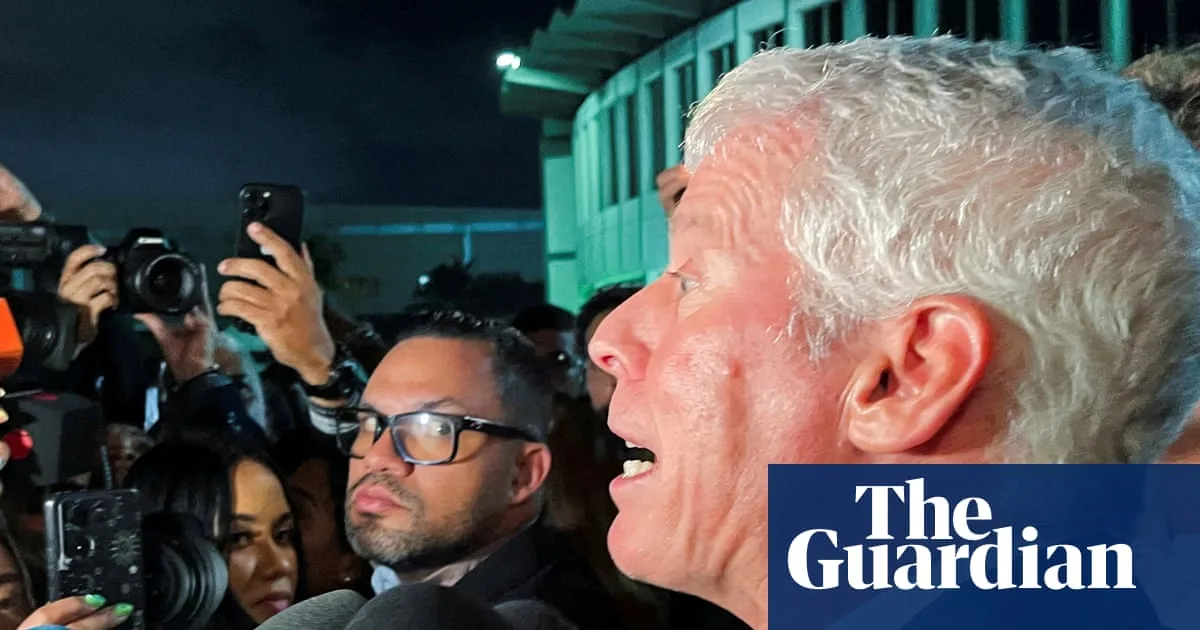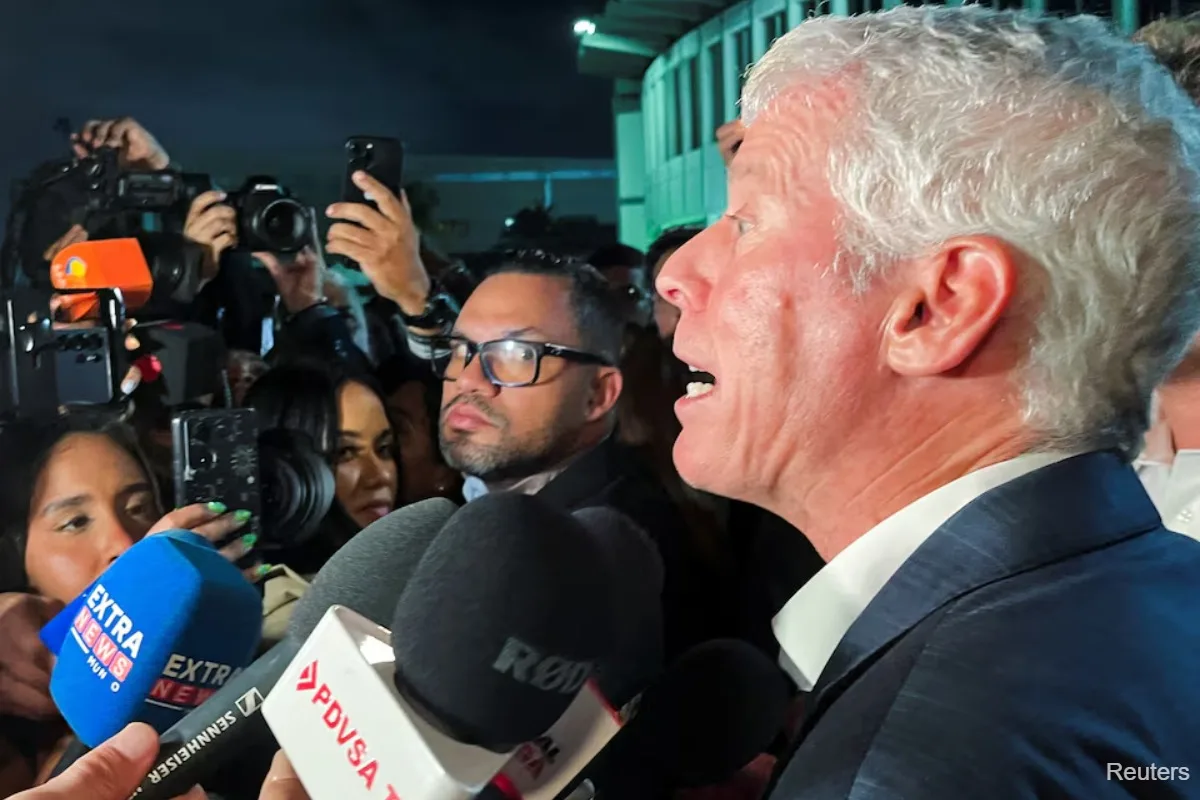
US Energy Secretary Chris Wright announced that deals finalized in Caracas will lead to Venezuela’s crude oil production more than doubling in the next few years, building on recent gains following the January 2026 political upheaval [1, 2]. Currently, Venezuela produces around 1.1 to 1.2 million barrels per day, slightly up since the US capture of Nicolás Maduro in early January and the installation of Delcy Rodríguez as interim president two days later [1, 3].
Wright said the US and Venezuela will establish a private company with a 100-year lease controlling 65 billion barrels of proven Venezuelan oil reserves, a vast resource that could significantly boost output [1, 2]. The firm, North American Blue Energy Partners (NABEP), is controlled by Venezuelan businessman Alejandro Betancourt and will hold the leases under this US-backed agreement [1, 3]. Despite Betancourt's past investigations without charges related to Venezuelan dealings, the lease arrangement was made without a competitive process [1, 3].
Several major international energy firms are expected to sign project agreements this week, including US-based Chevron and GE Vernova, Italy’s Eni, India’s ONGC, and Colombia’s GeoPark, marking a wide multinational effort to ramp up production [1]. Wright described the deal as “an absolutely historic transformation of both Venezuela and the relations between Venezuela and the US” and called it “President Trump’s grand plan to replace conflict with commerce” [3]. When asked if the arrangement amounted to coercion, Wright responded, “Absolutely not” [3].
The White House says the agreements aim to secure US energy dominance in the region and reduce Chinese and Russian influence over Venezuela’s oil [3]. However, critics labeled the deal “gunpoint diplomacy,” a successor to previous coercive policies, and questioned the legitimacy of the interim Venezuelan government installed after Maduro’s capture [3]. Beyond geopolitical concerns, the US faces domestic bottlenecks. Although regulatory easing on refiners could lower gas prices, refining capacity remains limited and constrains supply [1].
US Energy Secretary Wright arrived in Caracas on September 1 to oversee the signing events. The agreements with international oil companies are expected to be finalized this week as part of the broader effort to raise Venezuela’s oil output, currently far below its peak of over 3 million barrels per day in the late 1990s [1].