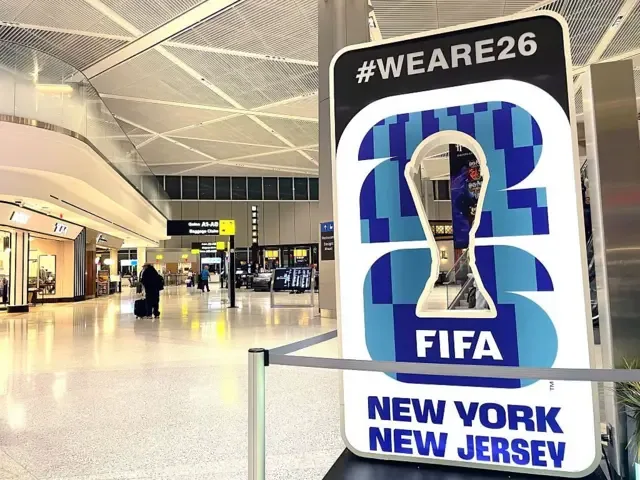
The American Hotel & Lodging Association (AHLA) reports that hotel bookings in nearly all US host cities for the 2026 FIFA World Cup remain well below expectations in May 2026, weeks before the tournament's June 11 opening date [1, 2]. The AHLA, representing over 32,000 hotel properties accounting for more than 80% of US franchised hotels, says FIFA block-booked large hotel room blocks for its own use but then cancelled up to 70% of those reservations in key cities including Boston, Dallas, Los Angeles, Philadelphia, and Seattle, creating a supply surplus [1, 2, 3]. AHLA spokespersons blame FIFA for "manufacturing artificial demand" through these block bookings, leading to inflated room prices—over $300 a night in Boston—and distorted revenue and staffing forecasts for hotels [1, 2, 3].
FIFA denies the accusations, stating that "all room releases were conducted in line with contractually agreed timelines with hotel partners—a standard practice for an event of this scale," adding that many cancellations were done ahead of deadlines to coordinate supply and demand [1]. The ongoing dispute highlights tensions between FIFA, hotels, and other stakeholders as preparations continue.
Several factors are also limiting demand from international visitors, including high match ticket prices, transport and tax costs, political issues, expensive airfare, a strong US dollar, and visa difficulties [1, 2, 4, 3]. Tourism Economics estimates around 1.24 million overseas visitors will attend, fewer than initial projections, shifting the audience mix more heavily toward domestic fans [4]. Dallas stands out as an exception, with hotel revenue projected to rise 37% in June compared to typical summer levels [4].
Hotel prices surged following the World Cup group draw announcement but have since dropped about 20%, though they remain high for many fans. Some supporters plan to stay outside downtown areas or use Airbnb to afford accommodation [2, 3]. Airbnb forecasts the tournament will be its largest accommodation event ever, exceeding the scale of the 2024 Paris Olympics [2, 3].
Chris Hancock, a fan, said he plans to stay outside city centers, noting, "We usually stay a little outside the downtown area to reduce expenses. We won’t choose to stay in Dallas, Boston, or New York downtowns. It's easier to find affordable lodging away from the busiest areas. Our current budget is still sufficient, possibly even has some room to spare" [2].
The AHLA expects hotel occupancy to improve in June and July as many fans await final ticket confirmations and match schedules before booking accommodations. An AHLA spokesperson said, "We expect occupancy rates to pick up in June and July. We know many fans are still waiting for tickets and clearer schedules before finalizing plans. Hotels are ready to welcome visitors and ensure the best experience" [2].
In 2025, FIFA commissioned a study projecting the World Cup could add $17.2 billion to US GDP and create 185,000 jobs, reflecting high economic hopes for the event [1, 3]. Despite these projections, the boost to US hotels and retail may fall short of initial optimistic forecasts amid the current booking and pricing challenges [1, 4, 3].
The tournament begins on June 11, 2026, as scheduled, with final ticket sales and hotel reservations expected to increase in the weeks leading up to kickoff [1, 2, 3].