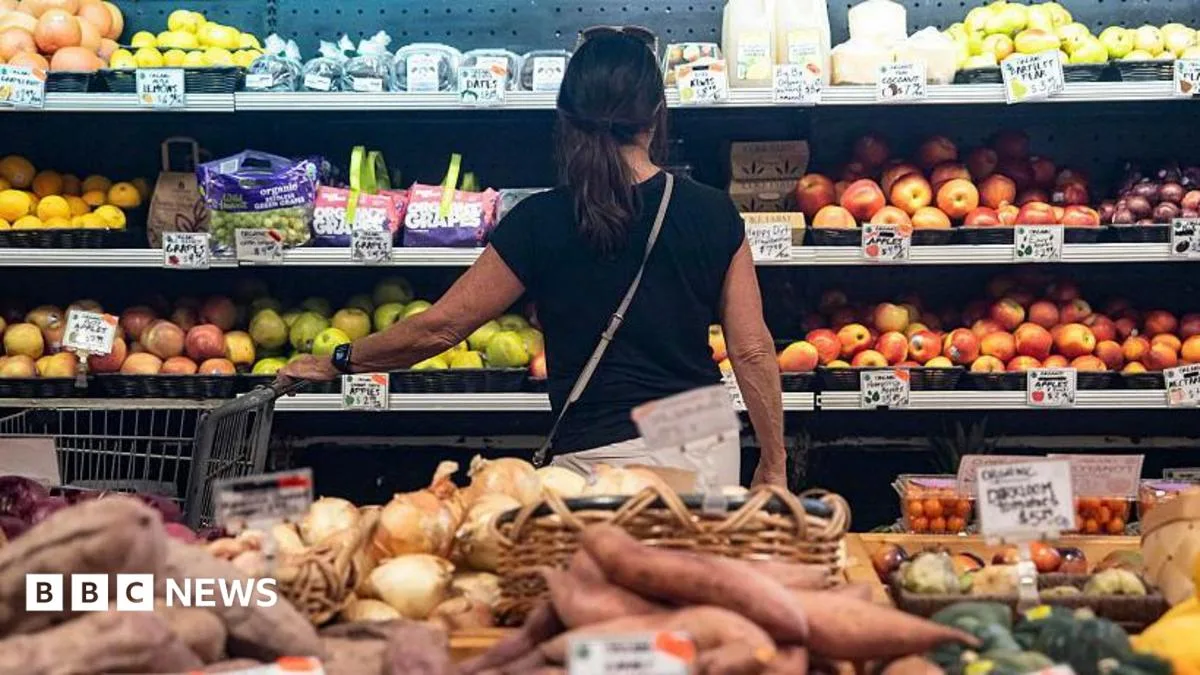
The US annual inflation rate dropped to 3.4% in July 2026, down from 3.5% in June, according to official data released this week [1, 2, 3]. Monthly inflation rose by 0.1% in July after remaining flat or slightly negative in June [1, 2, 3]. Food prices increased 0.1% month-over-month and were about 3% higher than a year ago, while housing costs also contributed to the inflation rise [1, 2, 3].
Energy prices fell about 1.5% compared to June but remained 14.7% higher over the past year amid ongoing geopolitical tensions near the Strait of Hormuz [2, 3]. Michael Klein, a professor of international economic affairs, said, "Energy prices have gone down in July because people thought perhaps the blockage of the Strait of Hormuz would end, but it didn’t. If you look at the past 12 months, energy prices are now much higher than they were a year ago." [2]
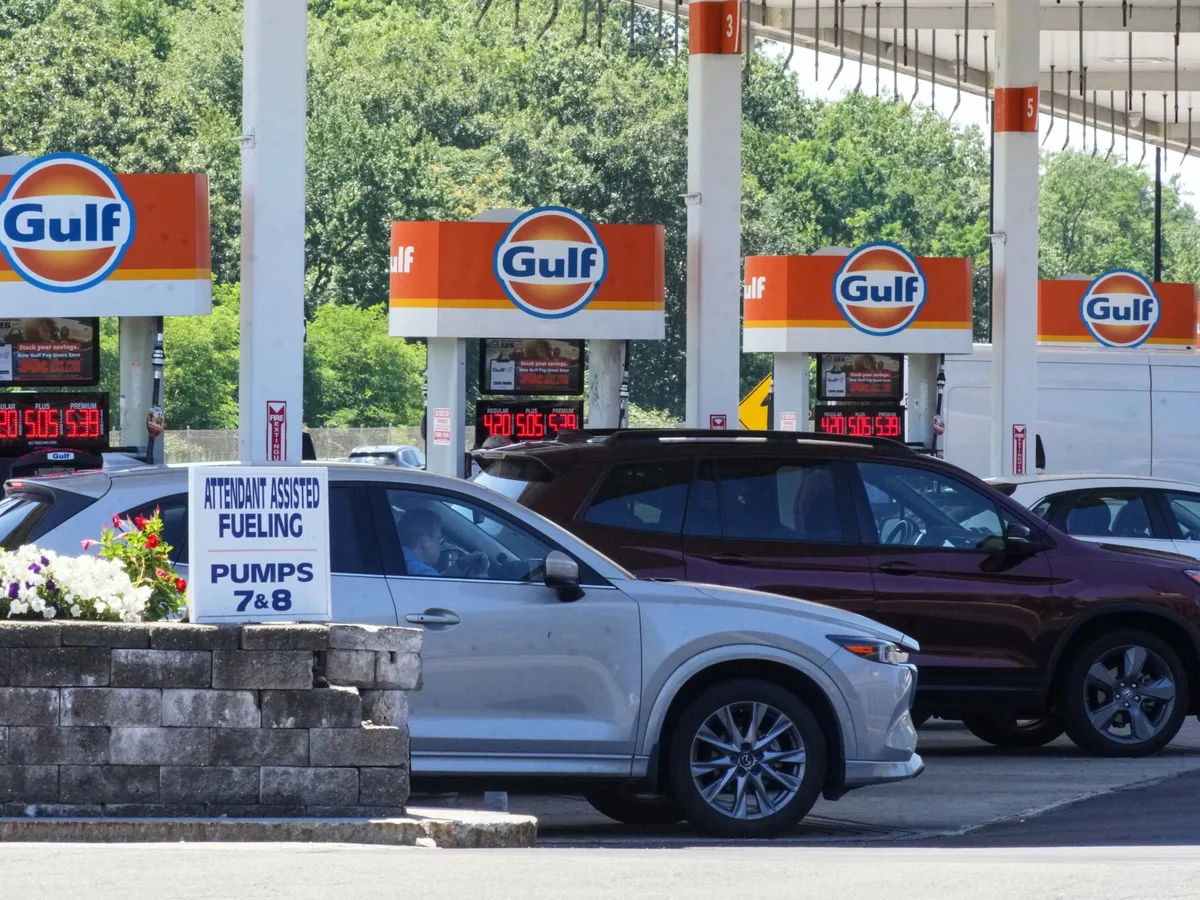
Petrol prices dropped 2.9% month-over-month but surged 39.1% year-over-year as of July 2026 [2]. Excluding food and energy, prices rose 0.2% in July after holding steady in June [1].
Employment showed signs of strain with the US economy losing 23,000 jobs recently, mostly in retail, local government education, and hospitality sectors [2]. Brent crude oil futures fluctuated near $89.19 per barrel on August 12 amid the geopolitical uncertainties [2].
In May 2026, the inflation rate peaked at 4.2%, its highest since April 2023 [3]. Federal Reserve chair Kevin Warsh said maintaining the current path will "keep inflation moving down" while avoiding "unnecessary shocks to the economy" [1]. President Donald Trump commented that "Inflation is still too high for many families, pointing to rent and grocery bills as signs that costs of living remains a major concern." [1]
The next inflation report is scheduled for release in mid-September 2026, when economists will watch to see if inflation continues to ease.