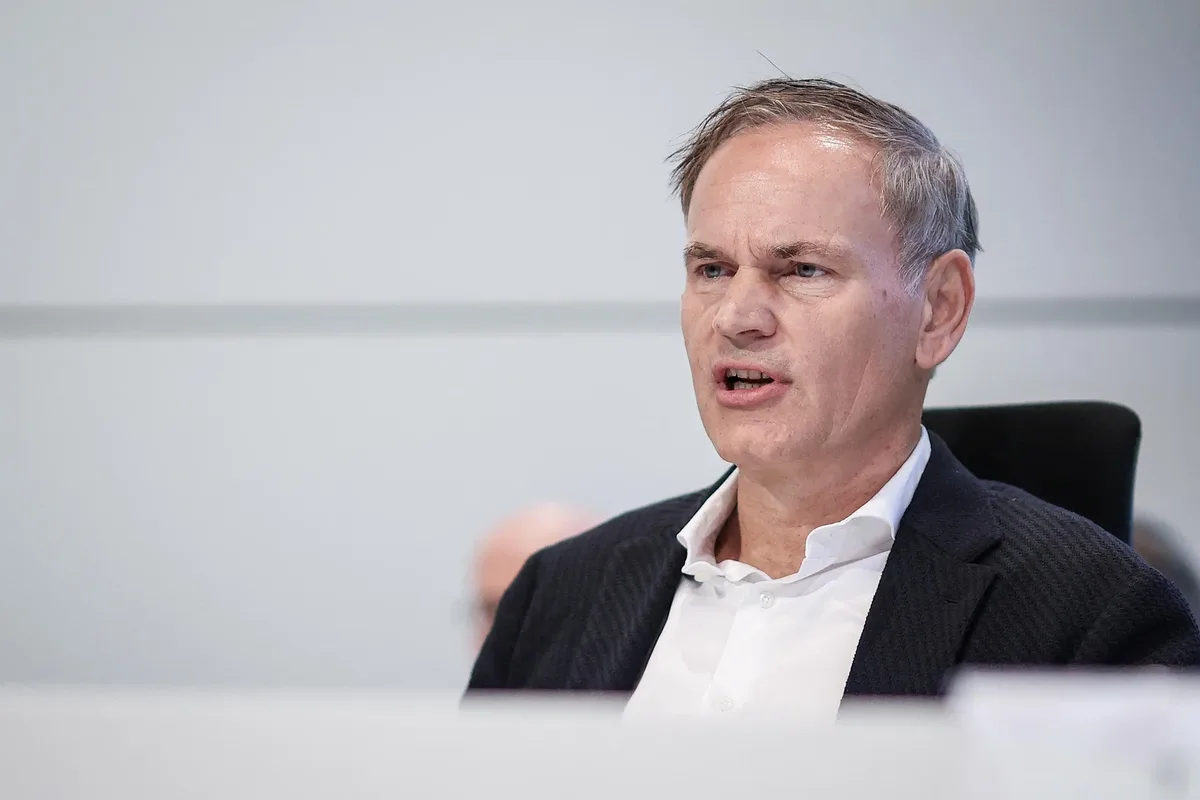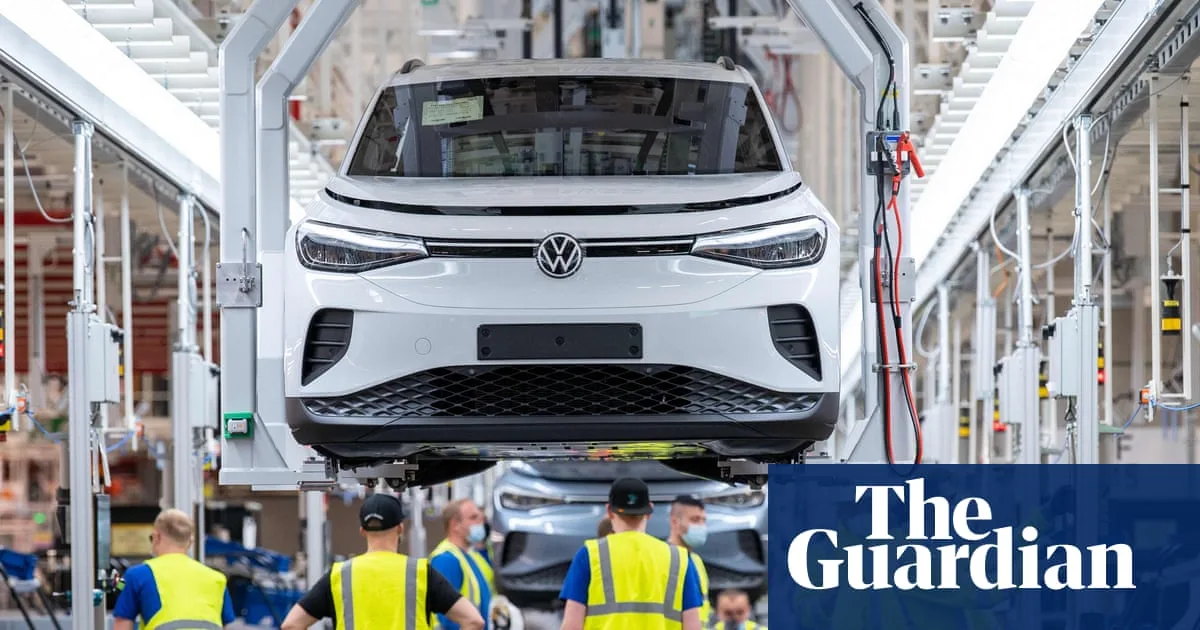
Volkswagen CEO Oliver Blume confirmed on July 13 that the company may need to cut an additional 50,000 jobs worldwide if it cannot sufficiently reduce overhead costs, which are about 20% higher than rivals’ costs [1, 2, 3, 4, 5, 6]. He said, "Since half of our overhead costs result from personnel costs, a theoretical calculation – assuming no change in labour costs – would result in the elimination of approximately 50,000 positions worldwide" [1].
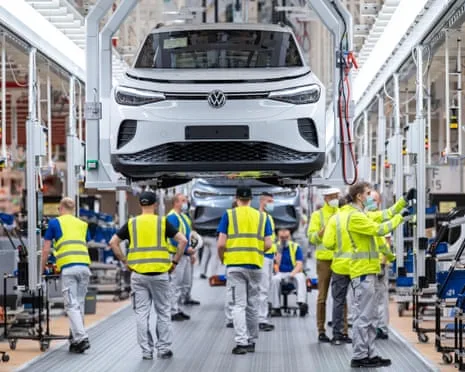
The company currently employs around 630,000 people globally, rising to roughly 680,000 when including joint ventures in China [7, 8, 9]. An earlier phase of cutting 50,000 jobs is already underway, mainly through voluntary redundancy schemes across Volkswagen and brands like Audi and Porsche [1, 4, 6].
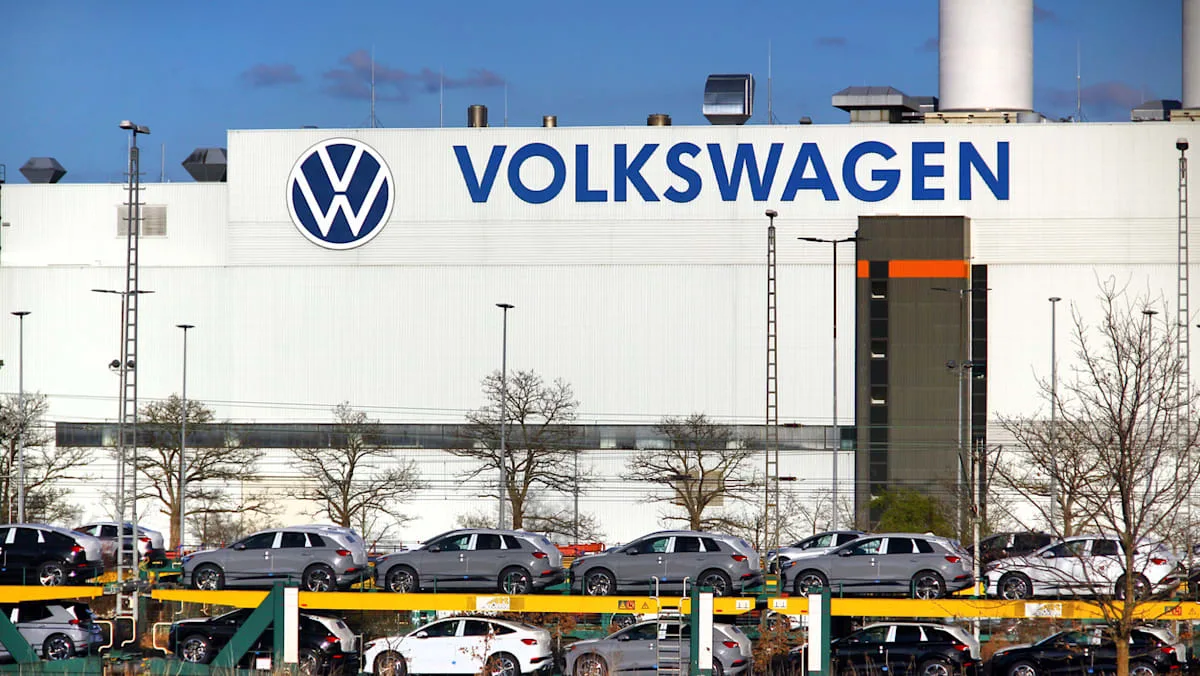
Blume emphasized that factory closures are not the only option, stating in German that there are "more sensible solutions" and noting German plants have achieved 20% cost reductions in the past year [7, 8, 9]. However, a previous restructuring plan proposed on July 9, which involved closing four German factories in Emden, Zwickau, Hanover, and Audi’s Neckarsulm plant, and cutting up to 100,000-120,000 jobs globally, was rejected by Volkswagen’s supervisory board following opposition from unions and key shareholders [7, 8, 6, 9].
The company plans to significantly reduce its model ranges, halving vehicle series and cutting optional configurations by 75%, targeting annual production of 9 million vehicles compared to 12 million pre-pandemic [7, 8, 9]. Profit and sales pressures persist, with a nearly 9% global sales drop in Q2 2026 and a 36.6% sales decline in China [7, 8, 9]. Volkswagen’s large workforce and complex brand portfolio contribute to its elevated costs and operational challenges [7, 8, 9].
Blume said the company is still assessing "how many adjustments are actually necessary and feasible" across all brands and regions [4]. Volkswagen plans to launch an electric vehicle priced under 20,000 euros next year and explore new sectors such as defense and China-developed models [7, 8, 9].
The ongoing restructuring is described as Volkswagen’s largest and most comprehensive, involving about 12 initiatives and 45 individual resolutions [1]. The company continues to navigate cost cuts and labor negotiations while balancing production targets and market pressures.
The supervisory board’s rejection of the factory closure plan sets the stage for further discussions over the scale and methods of restructuring. The company is expected to provide updates on restructuring progress and cost reduction measures in the coming months.