Christopher Barrett, former director of Marathon, settled a $200 million wrongful dismissal lawsuit against Sony Interactive Entertainment and Bungie in July 2026 [1, 2, 3]. Barrett had sued the companies after his firing in spring 2024 following an internal investigation into allegations of inappropriate behavior by multiple female employees [1, 2, 3]. He denied all misconduct claims, calling the investigation a pretext to withhold nearly $50 million he said he was owed under his employment agreement [1, 2, 3].
Sony and Bungie accused Barrett during court proceedings of predatory behavior, including sending inappropriate text messages to female staff [1, 3]. Barrett responded, "I never understood my communications to be unwanted and I would have never thought they could possibly have made anyone feel uncomfortable. If anyone ever felt that way about their interaction with me, I am truly sorry" [1].
The lawsuit alleged the companies deliberately damaged Barrett's reputation by falsely suggesting sexual misconduct [1]. The case was initially dismissed by the Delaware Court of Chancery in December 2025 for lack of jurisdiction but was refiled in Delaware Superior Court in January 2026 [1].
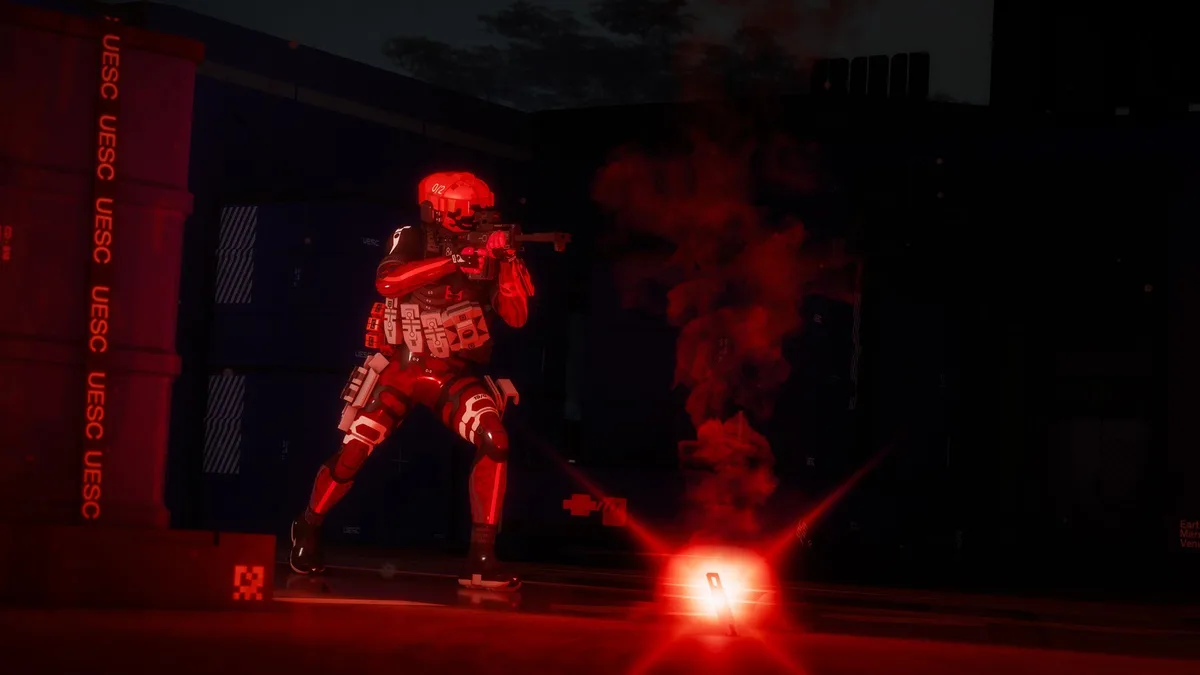
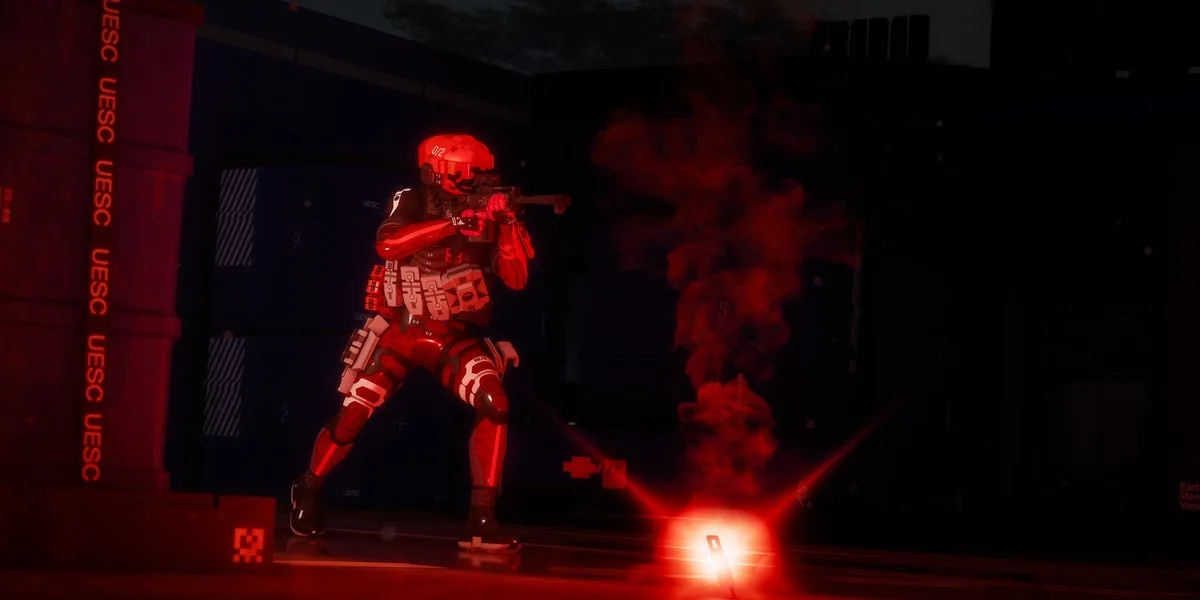
As part of the settlement reached in July 2026, Barrett's name was added to the credits of the recently released extraction shooter Marathon to acknowledge his role as original game director [2, 3]. In a joint statement, Sony, Bungie, and Barrett said, "The litigation...has been settled. For 25 years, Mr. Barrett contributed to some of Bungie’s most successful games. Mr. Barrett was the original game director for Marathon, and his name has been added to the game’s credits" [3].
Barrett had a nearly 25-year career at Bungie, working on major titles including Marathon, Destiny, and Halo [2, 3]. Following the settlement, he said, "The outcome is one I am very satisfied with, and I am grateful to everyone who stood by me. Closing this chapter allows me to focus my attention on what’s next on my gaming journey" [2].
In July 2026, Bungie also announced layoffs of about 300 staff at its Bellevue, Washington office, a move unrelated to Barrett’s lawsuit [2, 3]. Neither party disclosed if the settlement included a financial payout [3].