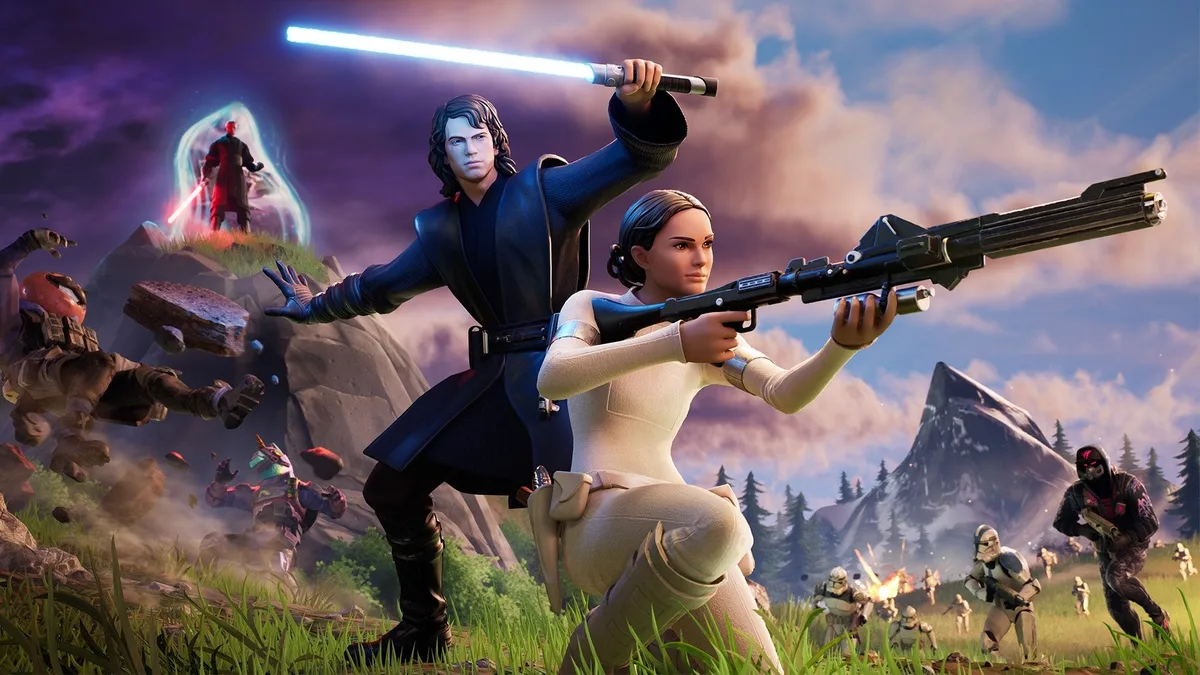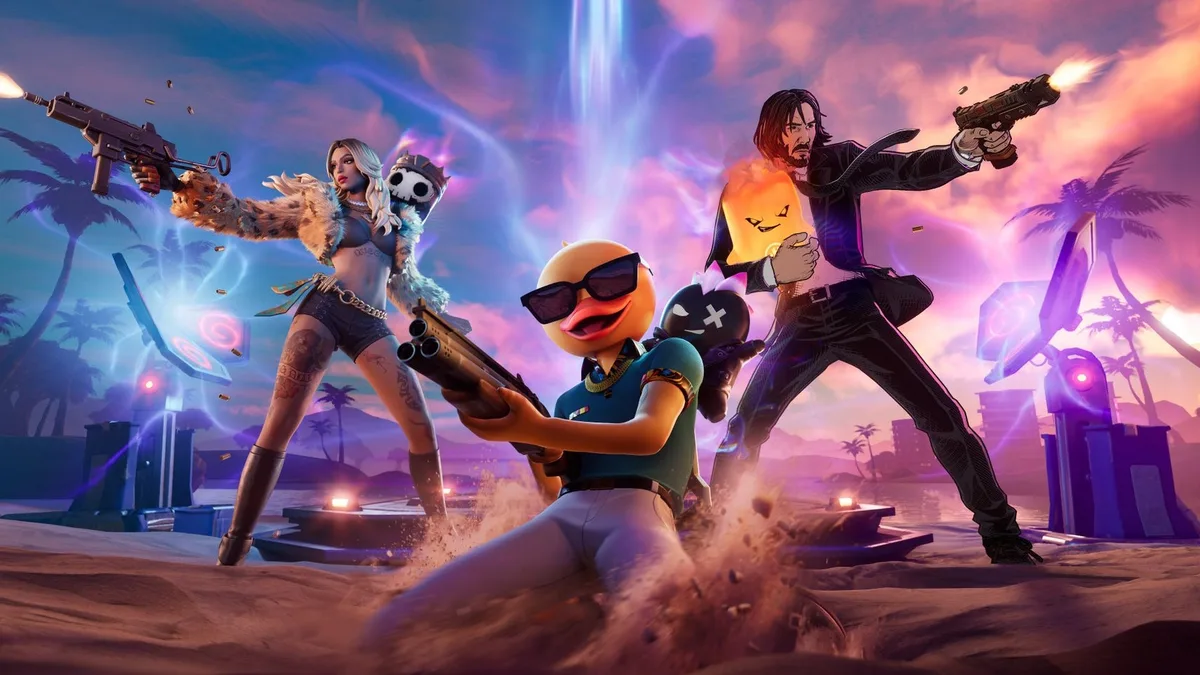
Epic Games announced Unreal Engine 6, a unified next-generation game engine that merges Unreal Engine 5 and Unreal Engine for Fortnite (UEFN) into a single platform. The engine will enable players to use Fortnite skins and cosmetics across other Unreal Engine games and vice versa through a portable content system, aiming to create a "shared economy for smart assets" that recognizes player investments across titles [1, 2].
Unreal Engine 6 will integrate generative AI tools, including large language models like Claude and Codex, to assist developers in building content faster and reduce tedious tasks. Marcus Wassmer, Unreal Engine development lead, stated, "For UE6, we see LLMs, generative AI models, and tools like Claude and Codex playing a central role in helping you build content faster while maintaining the creative control you need" [3]. Epic has already increased internal use of AI-generated code and analysis for backend, engine, and game development [3].
The new engine prioritizes support for open standards across tools, code, and APIs to enable cross-platform development and easier content sharing. It aims to allow games to work seamlessly on multiple platforms without developers redoing work, reflecting a broader goal to connect ecosystems through "positive-sum dynamics" as described by Wassmer: "Content and code should be portable across games and engines... to really lean into all of the positive-sum dynamics that Metcalfe's Law predicts for connecting experiences and social graphs together" [1, 4].
Epic is positioning Unreal Engine 6 as a challenge to centralized platforms like Roblox, which Tim Sweeney, Epic Games CEO, criticizes for its high revenue cut and centralized control. Sweeney noted, "Roblox grows and eats gaming ... a centralized platform that has a single 'gatekeeper' that commoditizes everything and takes more than 70 percent of revenue generated by 450 million users" [5]. He also highlighted struggles facing AAA games, saying many major releases fail commercially despite hundreds of millions in development costs: "It feels to many like a tidal wave is sweeping over the AAA game business" [6].
Epic sees Unreal Engine 6 as a step toward more open ecosystems that let players and developers share assets and value across games. Rocket League will be among the first major titles built using the new engine [3, 4].
Early access for Unreal Engine 6 is planned for late 2027, with a full release expected 12 to 18 months afterward [1, 3, 4].