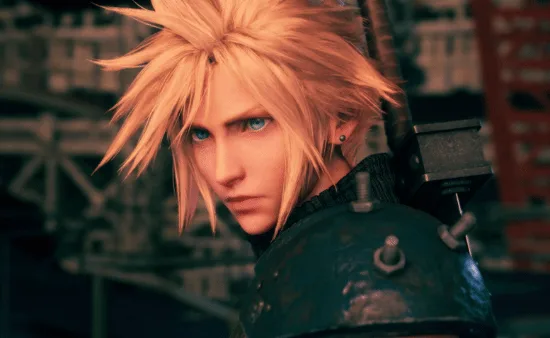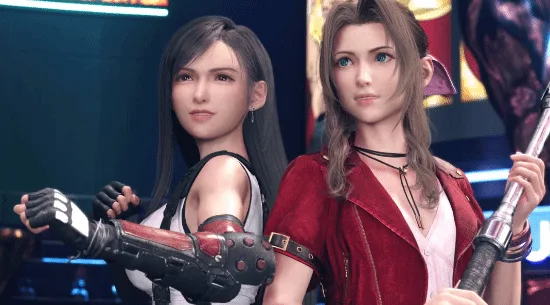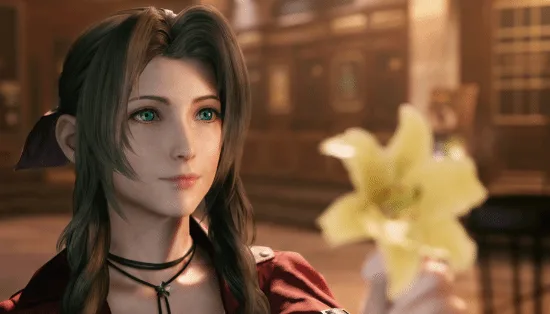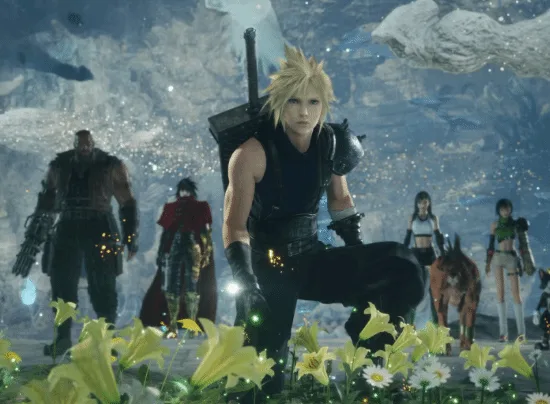
Naoki Hamaguchi, director of the Final Fantasy VII Remake trilogy, said the inclusion of queer characters and diverse sexual orientations aims to make the game world more authentic and realistic rather than to fulfill political correctness quotas [1, 2, 3, 4]. In Final Fantasy VII: Rebirth, players can witness a developing romantic relationship between two unnamed female non-player characters, representing subtle queer content in the game [1, 3, 4].
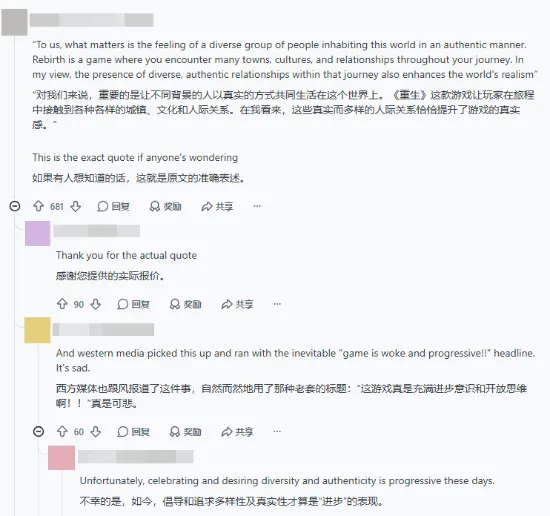
Hamaguchi explained, "Our goal wasn’t to add a same-sex couple just for the sake of adding it, but to portray the stories of those inhabiting this world with sincerity and care," emphasizing a focus on authentic storytelling rather than representation for appearances [3]. He also stated, "What matters is the feeling of a diverse group of people inhabiting this world in an authentic manner," and added that the world’s atmosphere, where such individuals "simply exist and go about their lives," enhances the game's realism [4].
Hamaguchi contrasted his approach with that of Final Fantasy XVI director Naoki Yoshida, who faced criticism for limiting diversity due to so-called "narrative boundaries," highlighting a different philosophy on inclusion within the franchise [1, 3].
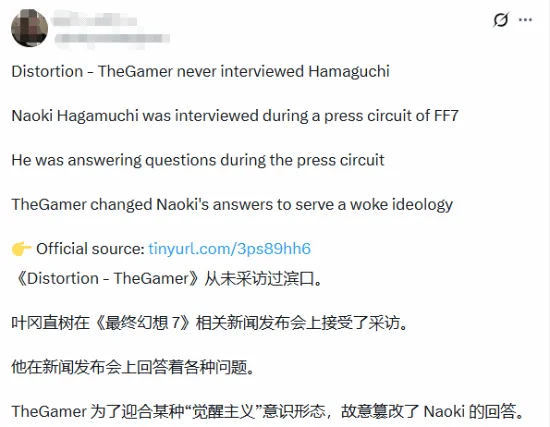
Some controversy arose among players and media about Hamaguchi’s remarks. Debate included accusations that Western outlets, particularly TheGamer, misrepresented or exaggerated his statements regarding LGBTQ+ representation [2]. There is disagreement about whether TheGamer directly interviewed Hamaguchi; TheGamer and some sources insist they conducted an accurate interview, while others claim it was a press event misrepresented by TheGamer [2, 3, 4].
Hamaguchi said, "Rebirth is a game where you encounter many towns, cultures, and relationships throughout your journey. In my view, the presence of diverse, authentic relationships within that journey also enhances the world’s realism [3]."
Looking ahead, Hamaguchi plans to complete the Final Fantasy VII Remake trilogy with the final chapter, "FF7 Revelation," expected in early 2027 [5]. After that, he intends to move on from remakes to develop new Japanese role-playing game intellectual properties [5].