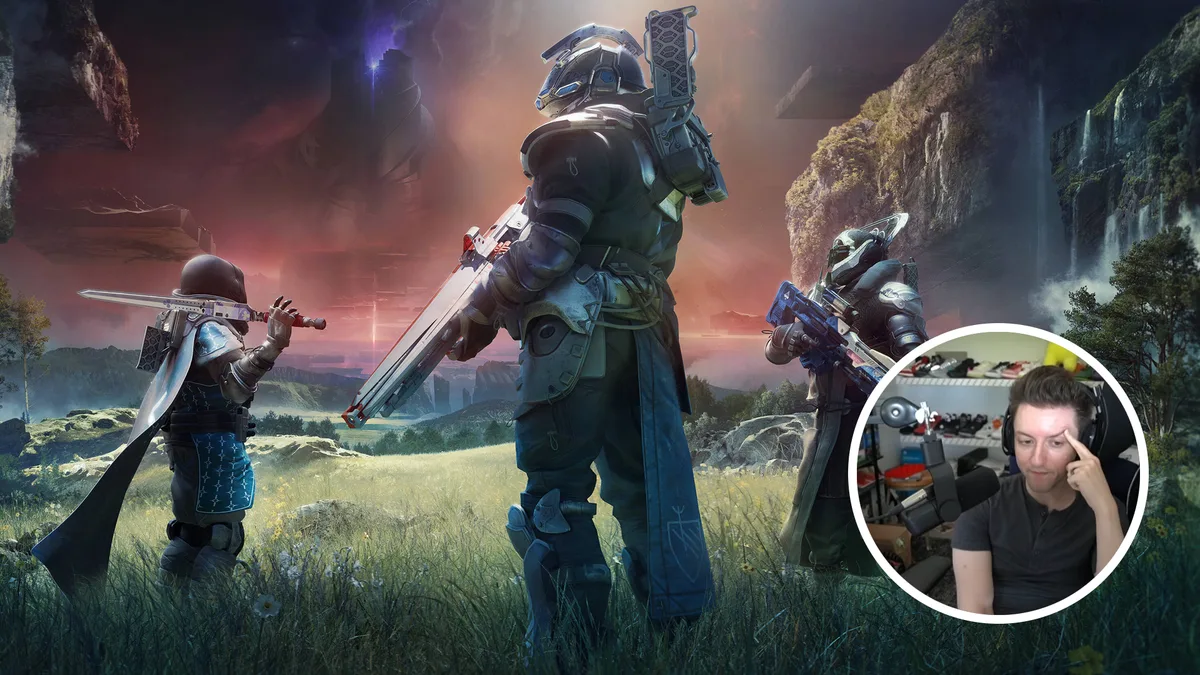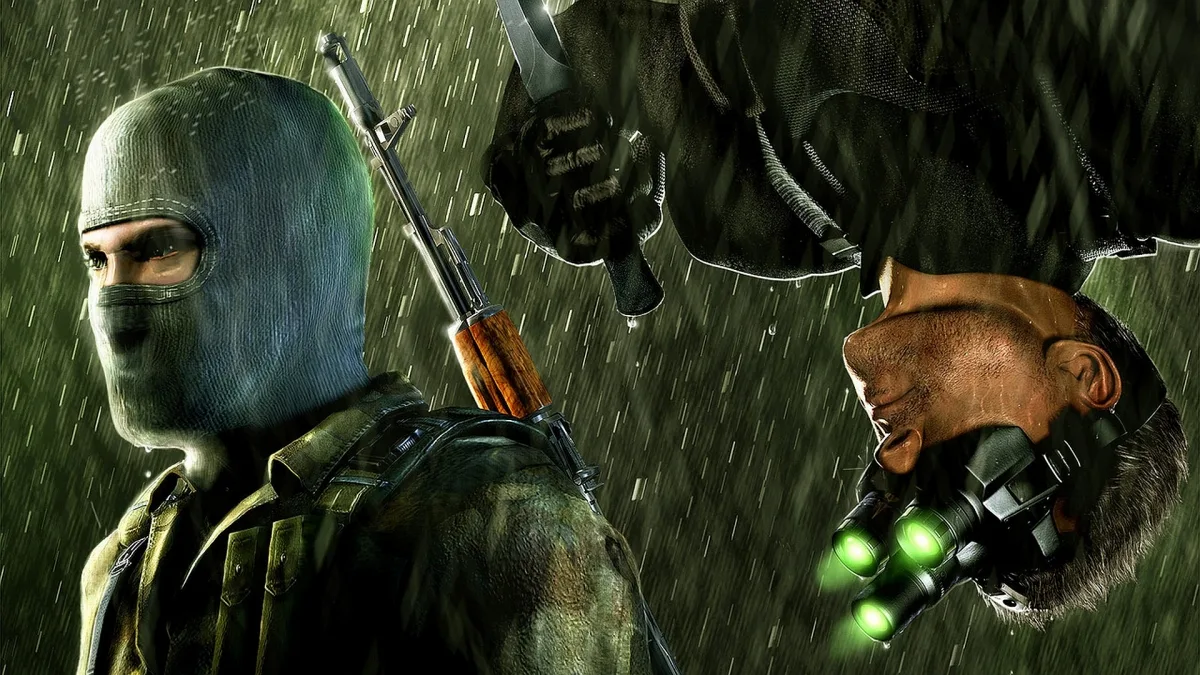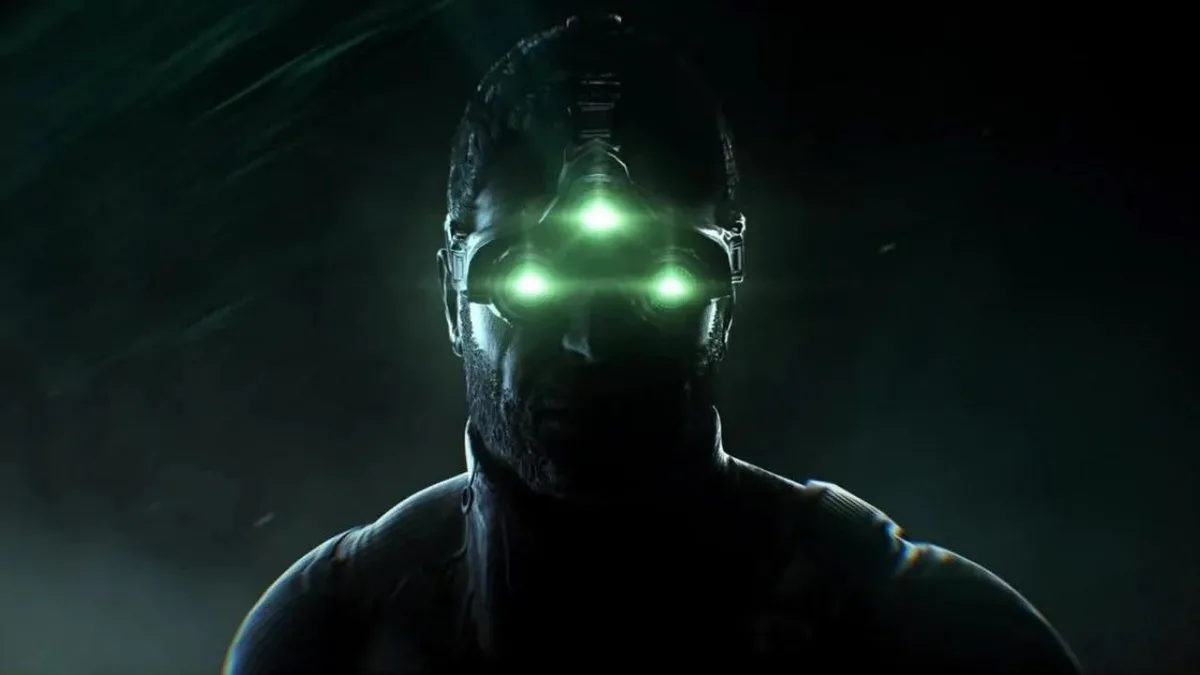
Clint Hocking, former creative director of Splinter Cell: Chaos Theory, said that advancements in lighting and shadow rendering have complicated stealth game design and play. [1, 2, 3]
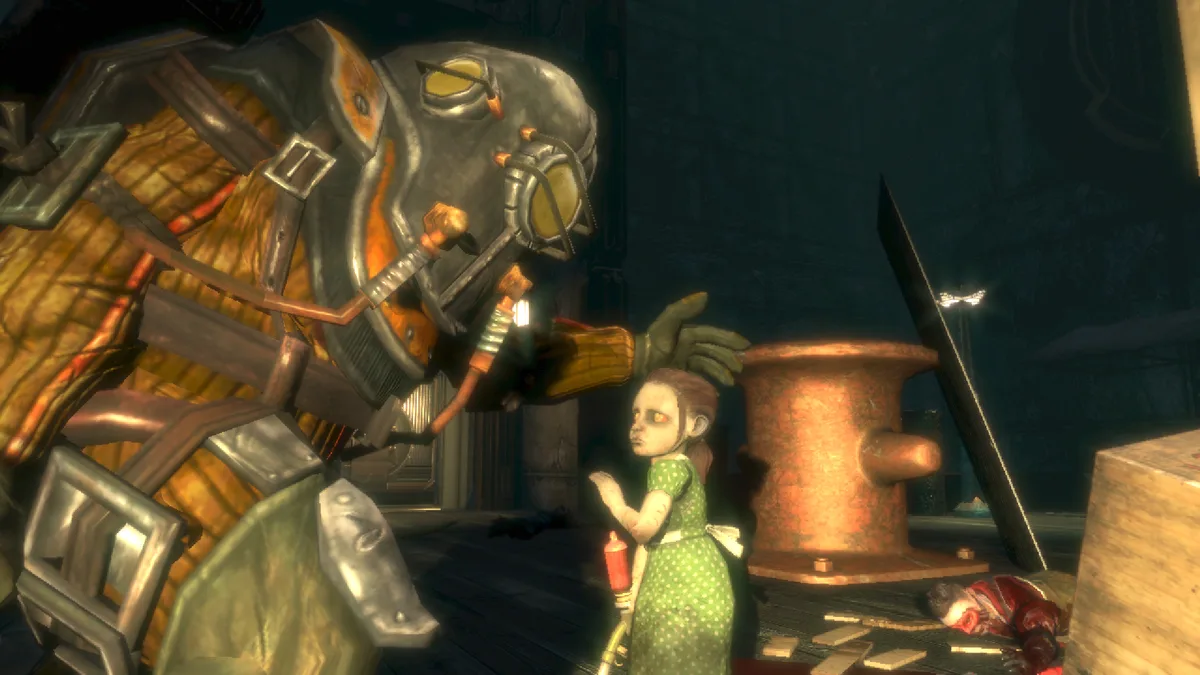
Older stealth games used baked lighting, which offered cleaner, more readable shadows and light for players. Hocking noted that modern lighting techniques such as diffuse lighting, ambient occlusion, and ray-tracing create highly realistic environments but make it difficult for players to distinguish between light, shadow, safe, and dangerous areas. [1, 2, 3]
He illustrated the problem by comparing stage lighting to realistic lighting, saying, "When you go and see a play on a stage, the lighting is often super dramatic. So, you can do it with real lights. It’s just that, you know, these places are often lit to be very realistic and not lit to be aesthetic to purpose for stealth gameplay." [2]
Hocking explained that lighting direction in realistic environments is often not optimized for stealth gameplay, which mostly relies on clear shadow and light cues. He added, "I actually think one of the difficulties with modern stealth games is that the sophistication in the rendering has made lighting so much more realistic," making it harder to tell safety and danger zones. [1, 2]
Many modern stealth games now rely more on line-of-sight mechanics instead of nuanced lighting and shadow play, reflecting the challenges posed by realistic lighting effects. [3]
Despite these challenges, Hocking saw potential to develop a pure stealth game using modern lighting technology but warned it would require deep design innovation and learning. [2, 3] "I think there would be some learning if we wanted to really use these modern lighting techniques to have a really pure stealth experience," he said. [3]
Ubisoft's Splinter Cell remake remains in development despite recent layoffs at Ubisoft Toronto. The studio cut 40 jobs in February 2026 but confirmed the remake work was unaffected. [1]
David Grivel, the remake's director who had left Ubisoft in 2022, returned to the project in late 2025. [1] The studio aims to continue refining the game amid these development challenges and staffing changes.