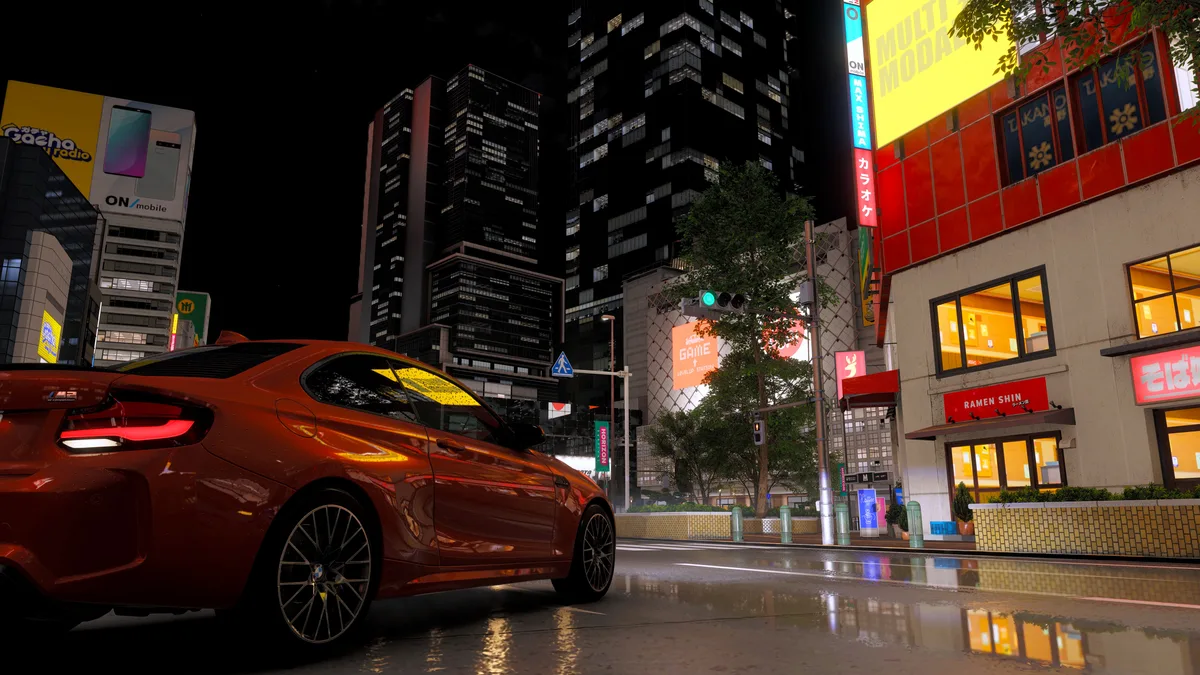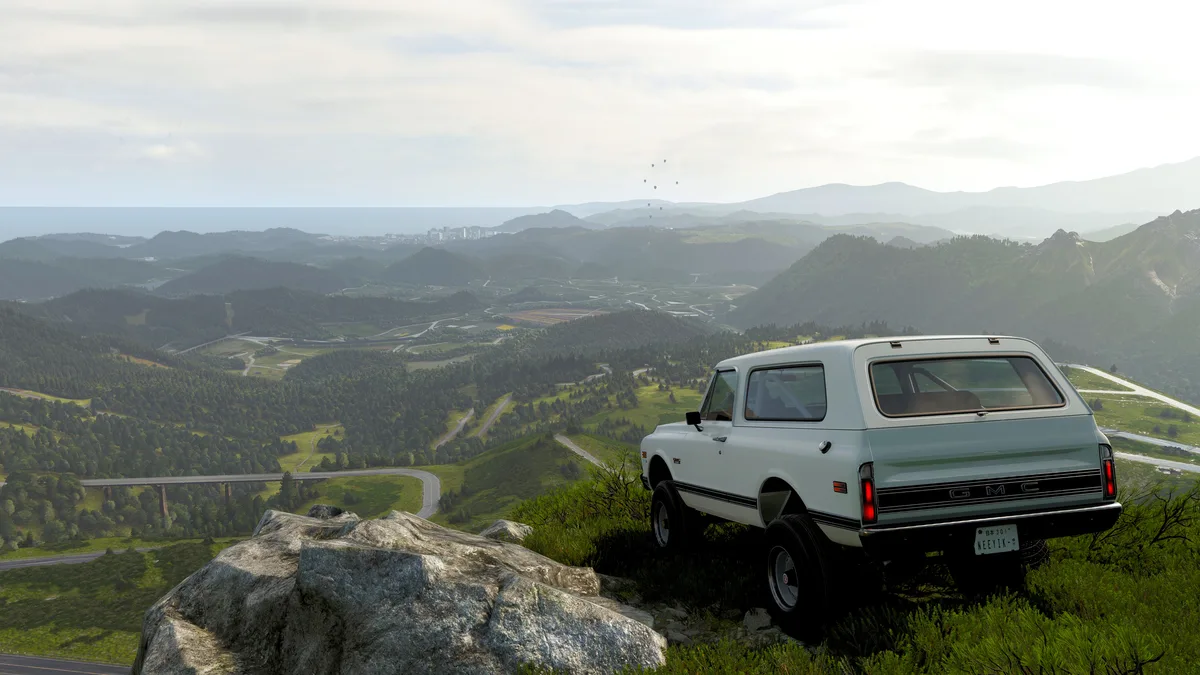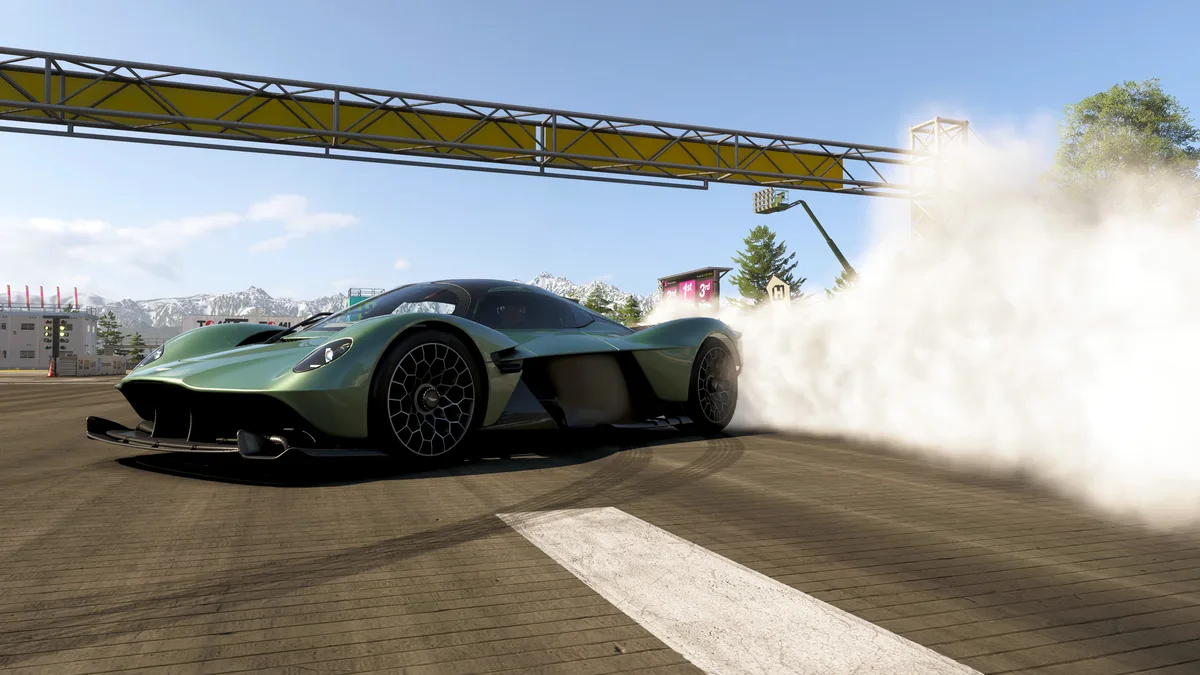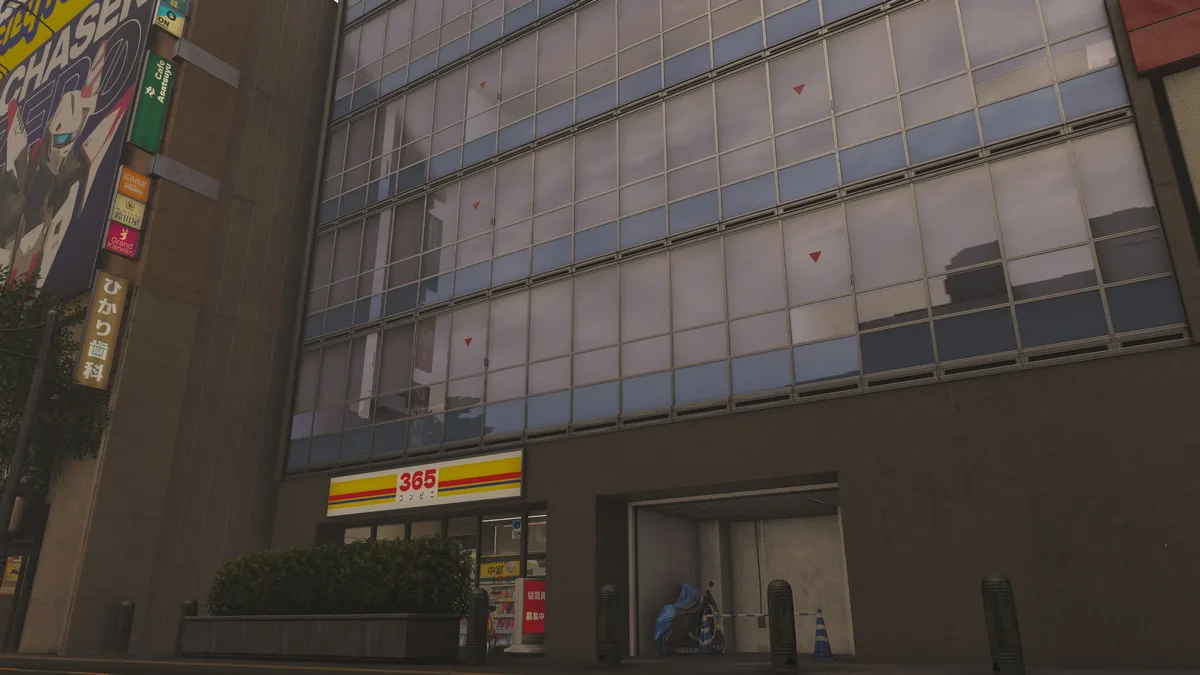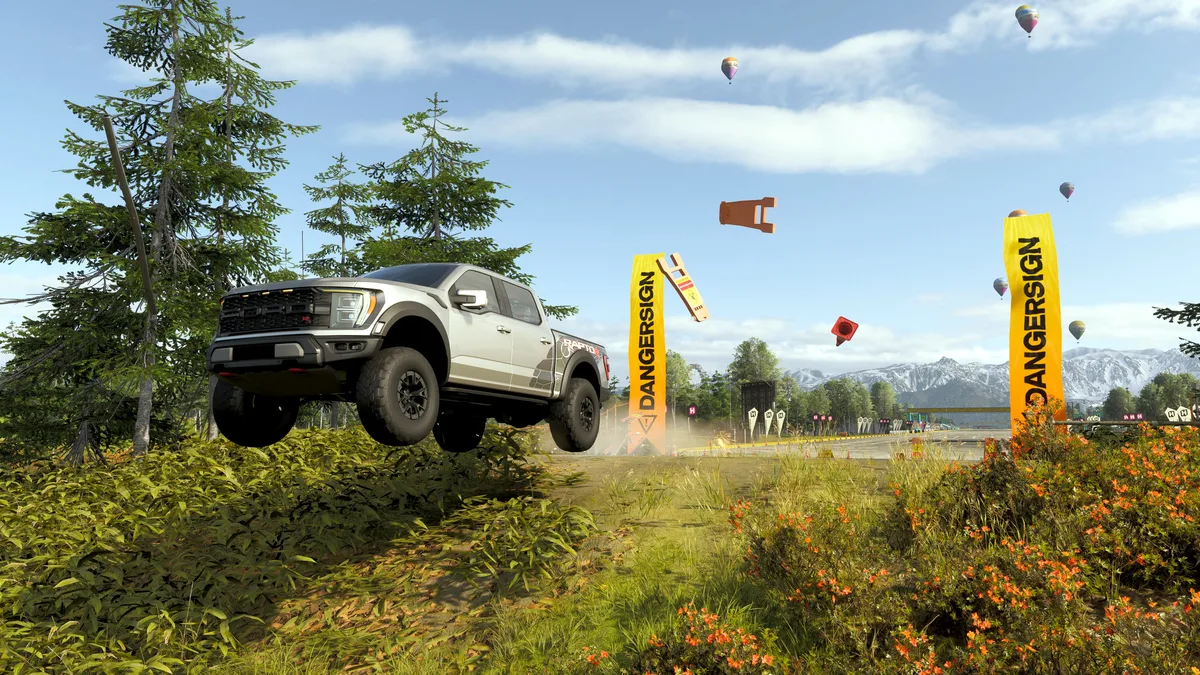
Forza Horizon 6 launched in May 2026 with a PC version that runs well across a broad range of hardware, from budget machines and handhelds to high-end rigs [1, 2, 3]. The game is set in and around Tokyo, Japan [2].
The game requires about 155 GB of SSD space for installation [3]. It targets a smooth 1080p/60fps experience on minimum specs, where even older or budget GPUs can run the game at lower quality settings. For example, the GTX 1050 Ti achieved an average of 32 fps on the Low preset and 43 fps on Very Low during benchmark tests at 1080p [3].
Recommended GPUs for 1080p include the RTX 4060 and Intel Arc B580. The RTX 4060 hits 96 fps on High, while the B580 reaches 111 fps on High and 77 fps on Extreme presets without upscaling [3]. The built-in benchmark runs a half-lap simulated race reflecting typical CPU and GPU demands, showing heavy CPU load but solid performance scaling across models [2].
Ray tracing is offered with separate options for reflections and global illumination [1, 2, 3]. However, enabling ray tracing causes a significant performance hit—around 36% frame rate drop on a top-tier RTX 5090 at 4K with DLSS Quality settings [1]. Visual improvements are limited. Reflections appear better but are hardly noticeable due to the game's fast pace, and global illumination can reduce surface detail.
A PC Gamer author said, "Ray-traced global illumination in Forza Horizon 6 just feels very... meh. I suspect that this is in part due to the nature of the game world" [1]. Meanwhile, Rock Paper Shotgun noted, "Upscalers like DLSS disappoint more than they impress, and the performance tax levied by those RT effects will drag you down from supercar luxury to framerate poverty" [3].
The next steps involve ongoing performance analysis and possible updates, but the launch state shows Forza Horizon 6 running well on many PCs with ray tracing available, albeit with trade-offs in frame rates and visual benefit [1, 2, 3].