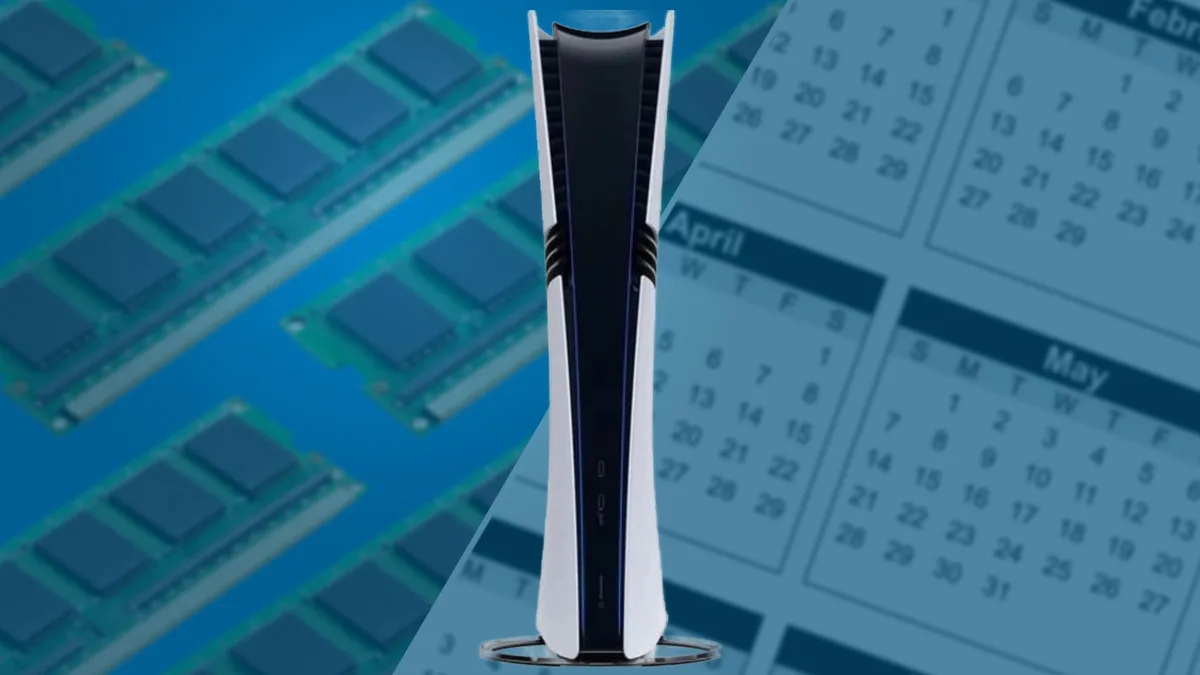
Sony has not set an official release date for the PlayStation 6 because of persistent global shortages of memory chips and other key components affecting hardware production, Sony CEO Hiroki Totoki said in August 2026.
Totoki told the Wall Street Journal that the company still has not fixed a launch date for the PS6, noting the importance of monitoring supply constraints. "We need to carefully observe and follow the situation [...] Looking at the current circumstances, the memory price is also expected to be very high FY 2027 [...] We must think carefully what we will do," he said [1, 2].
The supply crunch, driven by rising demand from AI datacenters and geopolitical tensions, has pushed back the timeline for the PS6 release beyond earlier analyst expectations of 2027. Totoki said Sony must act to survive amid these challenges. "Considering the scale of this crisis, we must take action. Otherwise, we cannot survive," he said [1, 3].
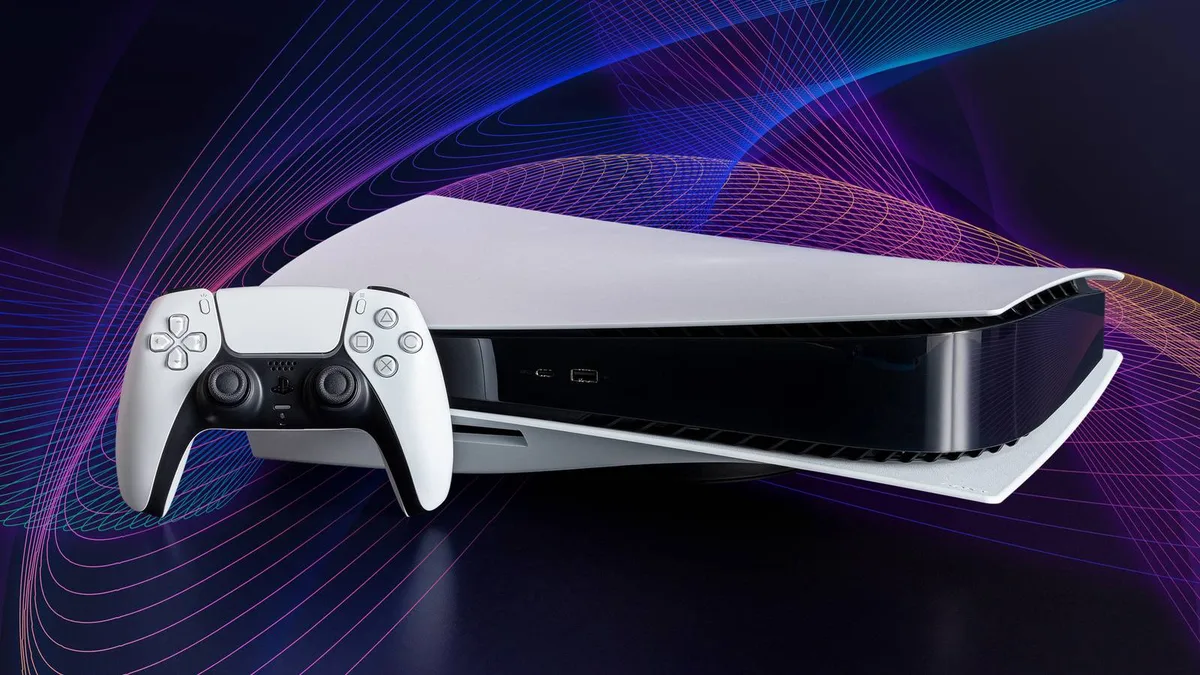
Rising component costs have already caused an increase in PlayStation 5 pricing, and Sony expects similar or greater cost pressure for the PS6 launch. Industry reports suggest the next console could start at around $1,000, up from the $900 price point of the PS5 Pro [2, 4, 5].
Sony plans to discontinue physical game disc support by 2028, moving toward an all-digital model for future consoles. The company is also shifting its business strategy to focus more on a broad entertainment approach encompassing gaming, film, and music [1, 2, 4].
Since Totoki became interim CEO of Sony Interactive Entertainment in April 2024, he has highlighted ongoing supply chain risks as a critical factor in setting the PS6 timeline. Analysts now expect the earliest possible launch to be in 2028 [1, 2, 3, 5].
Sony will continue to watch market conditions closely and has not announced a firm release window. For now, the company is prioritizing managing supply issues and cost inflation before committing to a PS6 launch date.