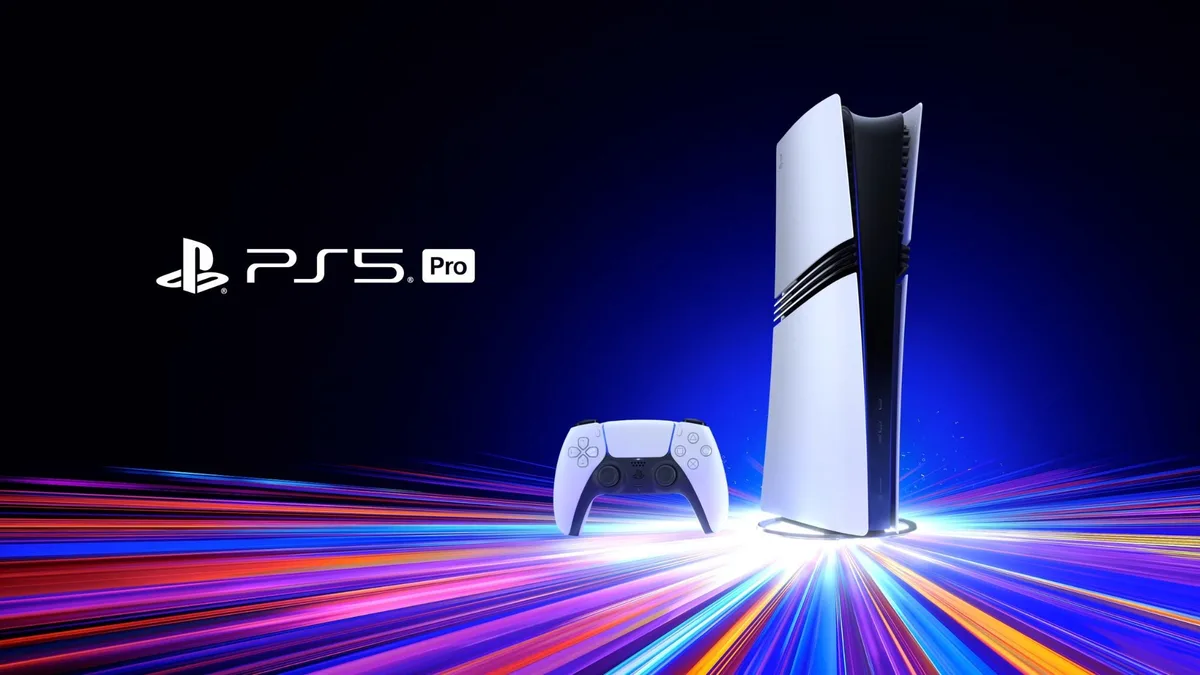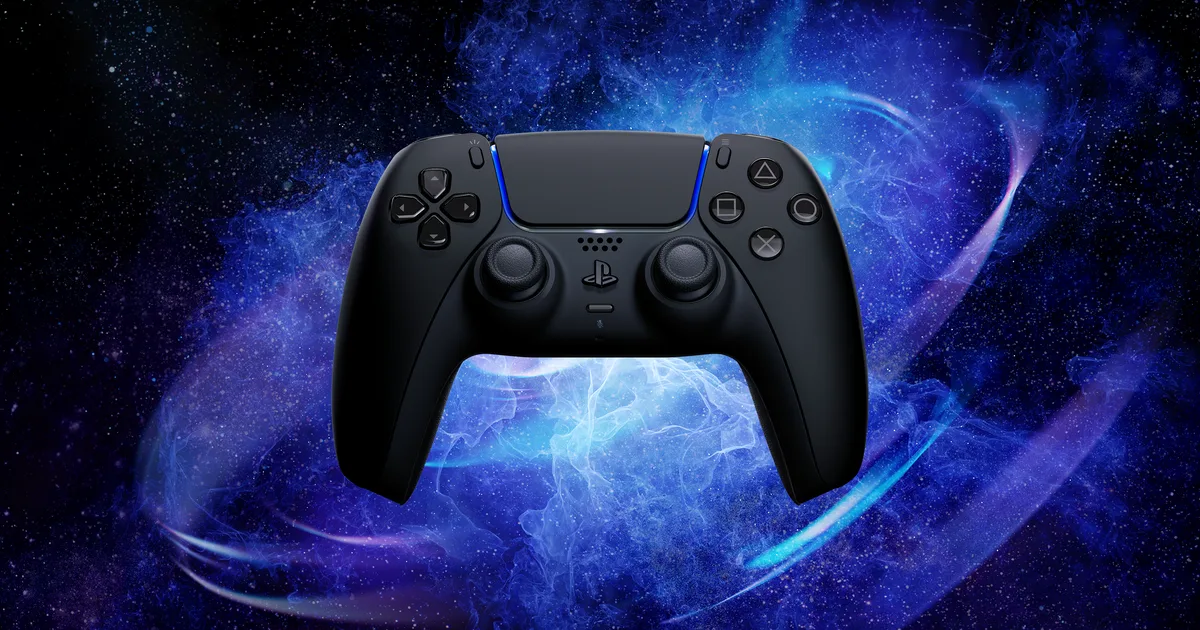
Sony stated on Monday that it will not sell PlayStation hardware, including the upcoming PlayStation 6, at significant losses despite rising global component prices [1, 2, 3, 4, 5]. The company has already raised PS5 prices multiple times outside Japan to offset increasing costs, with the latest hike in April 2026 pushing the standard PS5 to $649.99, the Digital Edition to $599.99, and the Pro model to $899.99 [1, 2, 4, 5].
Hideaki Nishino, Sony Interactive Entertainment president and CEO, emphasized the importance of hardware as the foundation of the gaming experience. He said Sony seeks to expand usage beyond traditional living rooms through new devices like the PS Portal Remote Player, aiming to deliver diverse play styles tailored to users [1, 2, 3, 5]. Nishino added, "As a principle, we do not intend to sell hardware at significant losses," underlining Sony's cautious pricing strategy amid component pressures [1].
Sony acknowledges that it is unrealistic to absorb all cost increases amid persistently high prices for memory chips and storage components expected to continue through fiscal 2027 [1, 2, 3, 4, 5]. A company official told Chinese media it remains important to ensure that customers perceive value matching product pricing[citation s5].
Sony reports stable PS5 sales and steady customer demand despite price hikes, even as independent data suggests hardware sales have fallen sharply, including a 58% year-on-year drop in US sales and significant declines in the UK [1, 4]. This discrepancy points to differing interpretations of market impact.
Industry observers note that console prices may commonly reach or exceed $1,000 in the next generation due to rising production costs, signaling a potential new normal in the gaming hardware market [1, 2, 3, 4].
Sony has not finalized the launch date or pricing for the PlayStation 6, leaving details pending, but monitoring market developments closely [1, 3, 5].