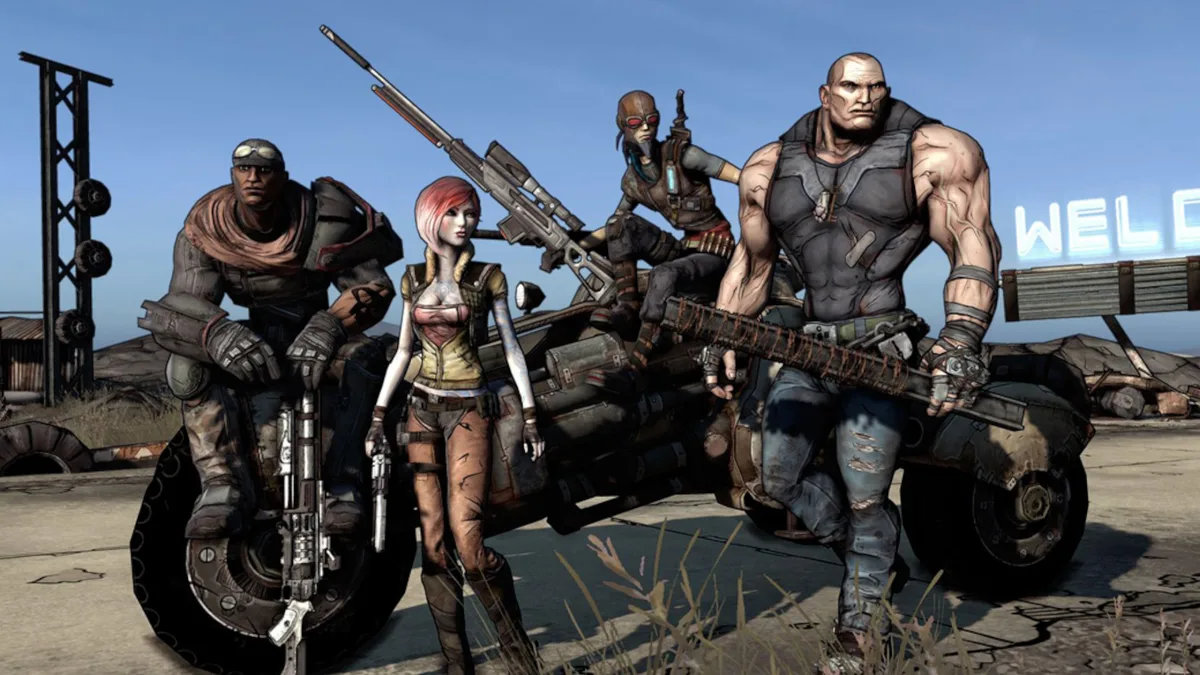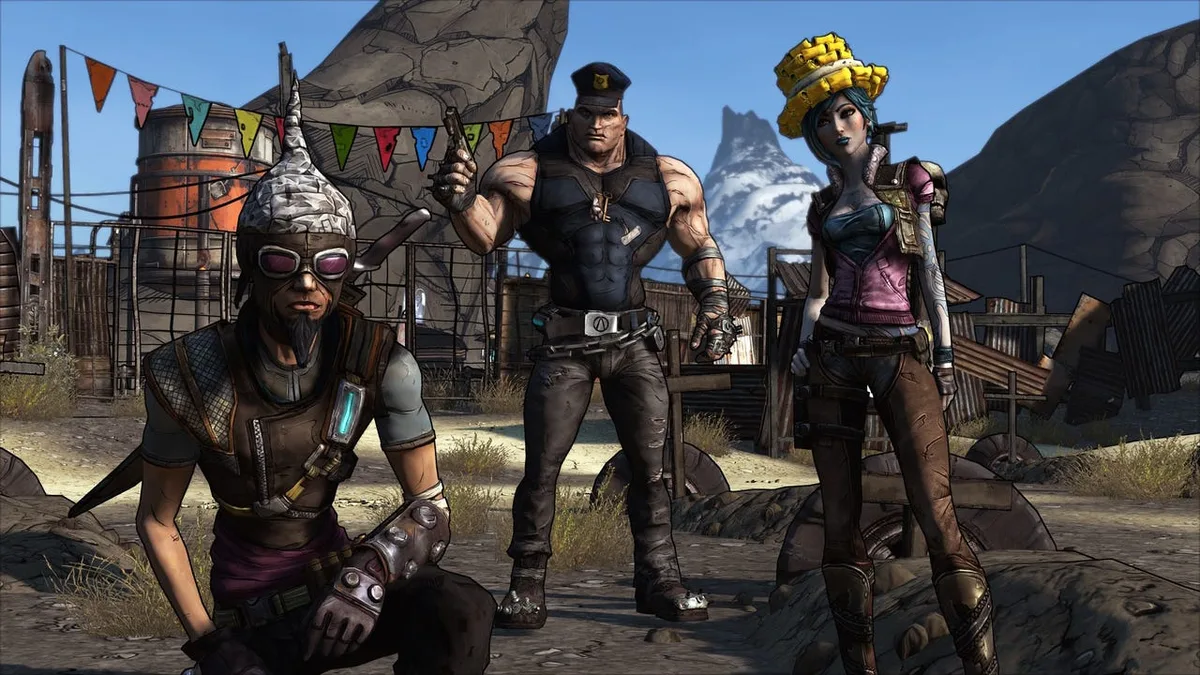
Take-Two CEO Strauss Zelnick approved a last-minute change in Borderlands' art style from a realistic look to a cel-shaded, cartoon style, increasing development costs by $50 million and pushing back the game's release by one year [1, 2].
The original Borderlands was scheduled to launch in 2008 with a realistic, moody art style [1, 2]. About two months before the planned release date, the head of the game’s division approached Zelnick requesting a complete remake with a new art style. They believed the original art did not stand out sufficiently [1, 2].
Zelnick described his decision as "non-obvious" and risky. He recalled, "We were developing a game and it was about to be released two months later, which is to say it's done... The head of the division came into my office and said, ‘Look, we just don't think this is good enough and we think we screwed up and the art style is not appropriate and it's not differentiated. So, we want to remake the game.’... I supported the decision. And that title became Borderlands. Had we not done that, Borderlands wouldn't have been a hit. And that was a non-obvious decision" [1].
He acknowledged the financial risk involved: "They would have said the game is done. Put out the game. Move on to the next thing. I'm not spending 50 million bucks to remake the goddamn thing in another art style. And I have no evidence that one will work either" [1]. Nonetheless, the change proved critical to the franchise’s future success [1, 2].
The art style overhaul delayed Borderlands’ release by a full year, pushing launch well beyond its original 2008 target date [1, 2]. The final game’s iconic cel-shaded look helped distinguish it in a crowded market, contributing to its eventual hit status [1, 2].