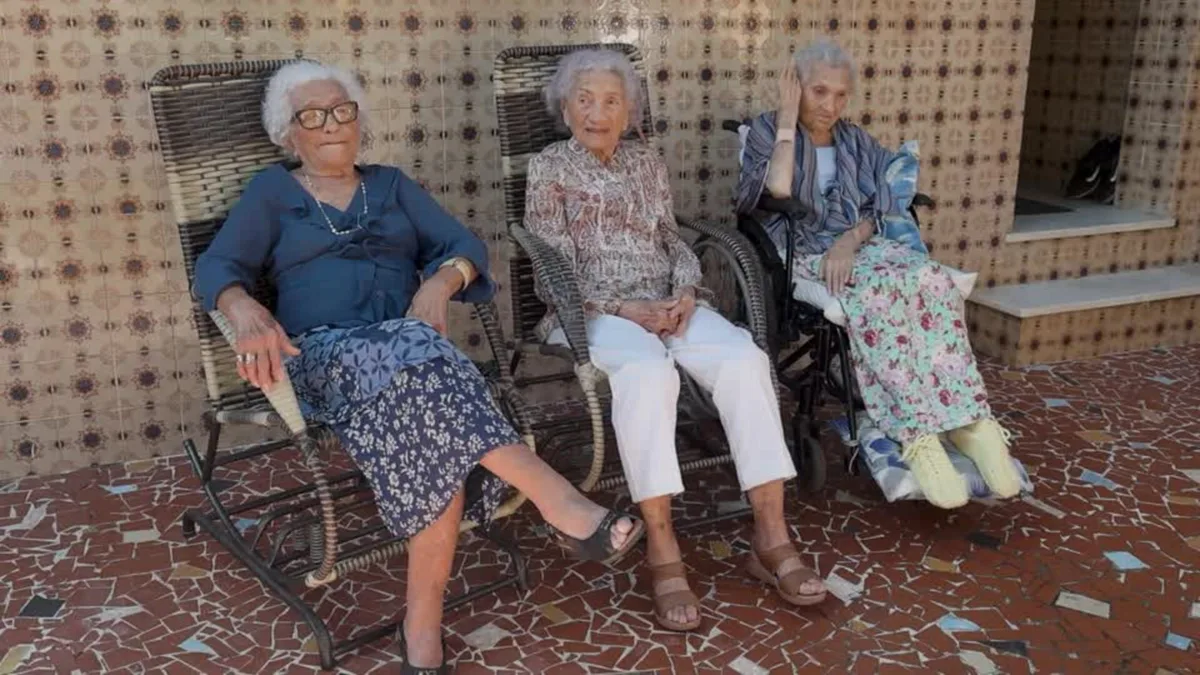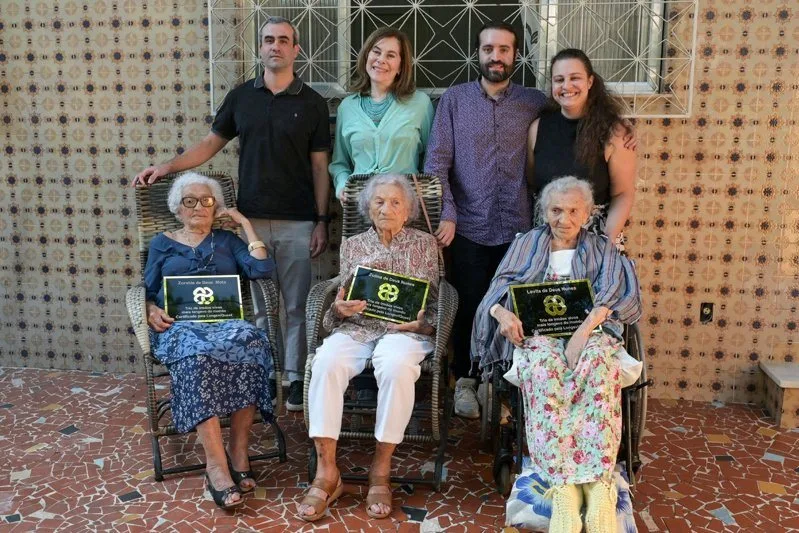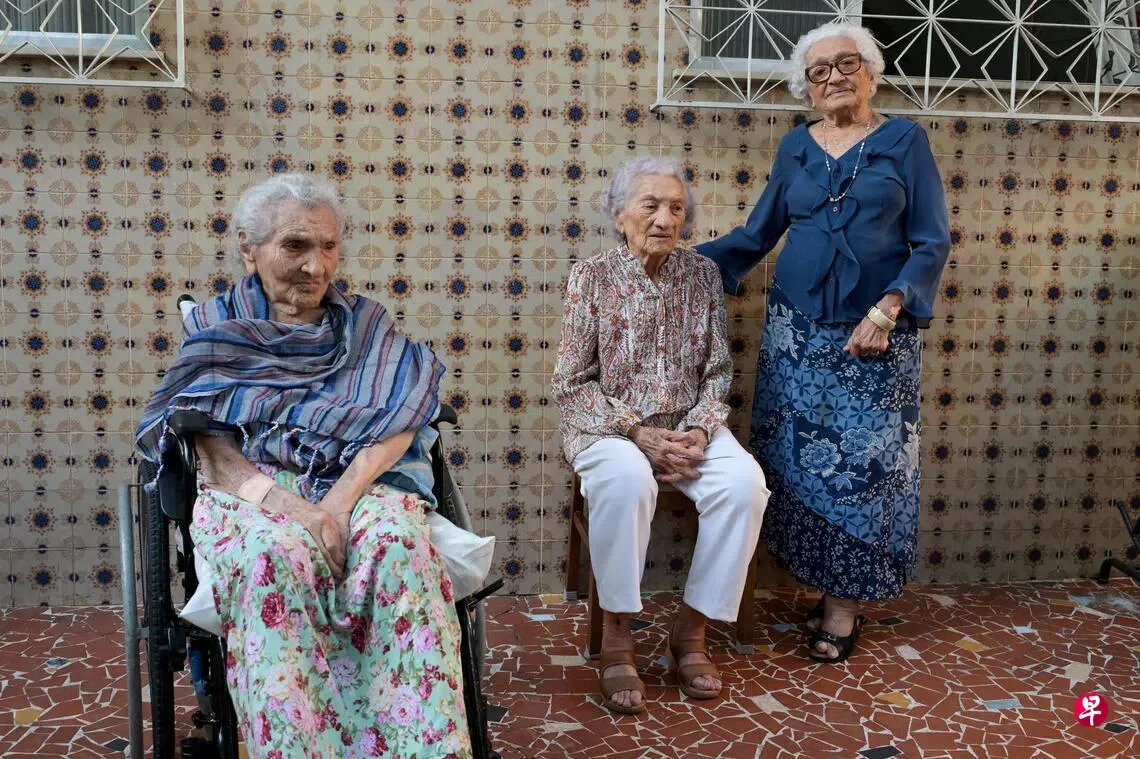
Three Brazilian sisters living near Rio de Janeiro were officially recognized by Guinness World Records on June 25 as the world’s longest-living trio of sisters, with a combined age of 316 years [1, 2, 3, 4, 5, 6]. The siblings are Levita de Deus Nunes, 109; Zoraide de Deus Mota, 104; and Zulina de Deus Nunes, 103 [1, 2, 3, 4, 5, 6].
Levita described her early years by saying, "I had a good childhood and adolescence. I can’t complain," emphasizing a healthy upbringing [3]. Zulina added, "Everything was fresh. We didn’t have a refrigerator," highlighting their diet of fresh, natural foods consumed since childhood [3]. The sisters also credit breastfeeding as vital to their longevity. Zoraide said, "Breastfeeding is incredibly important," noting their mother provided fresh food and breastfed them [3].
The trio grew up spending much time outdoors swimming, fishing, and playing in natural environments without modern conveniences, which they link to their active, healthy lifestyles [1, 2, 3, 4, 6]. Their careers varied: Levita worked as a craftswoman and at a television station; Zoraide was a nurse and raised five children; and Zulina was a stay-at-home mother of six [2, 3, 4, 6].
Researchers from the University of Sao Paulo have taken interest in the sisters’ longevity. Led by Mayana Zatz, they began collecting DNA and blood samples in June as part of the DNA Longevo Project aimed at identifying genetic factors that protect against aging, cognitive decline, and chronic diseases [2, 3, 4, 5, 6]. Zatz explained, "Through DNA testing, we look for protective genes, and we know there are several of them" [3].
The LongeviQuest organization confirmed the sisters' ages and submitted the verification to Guinness World Records. Its CEO, Ben Meyers, said, "When sisters reach that age, there is clearly a strong genetic component. But because they live near each other, they also have a support network… There is definitely a community aspect as well" [3, 4, 5].
The DNA Longevo Project plans to analyze the sisters’ genes and compare them with other centenarians and frail elderly to identify protective genetic markers that promote longevity [2, 3, 4, 5].