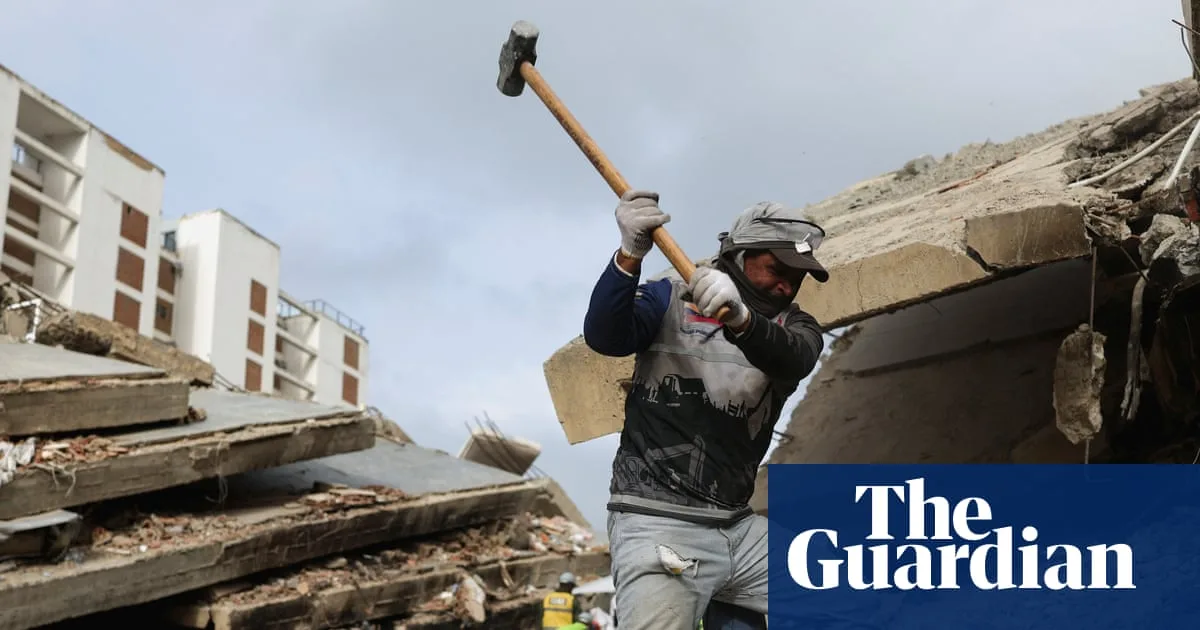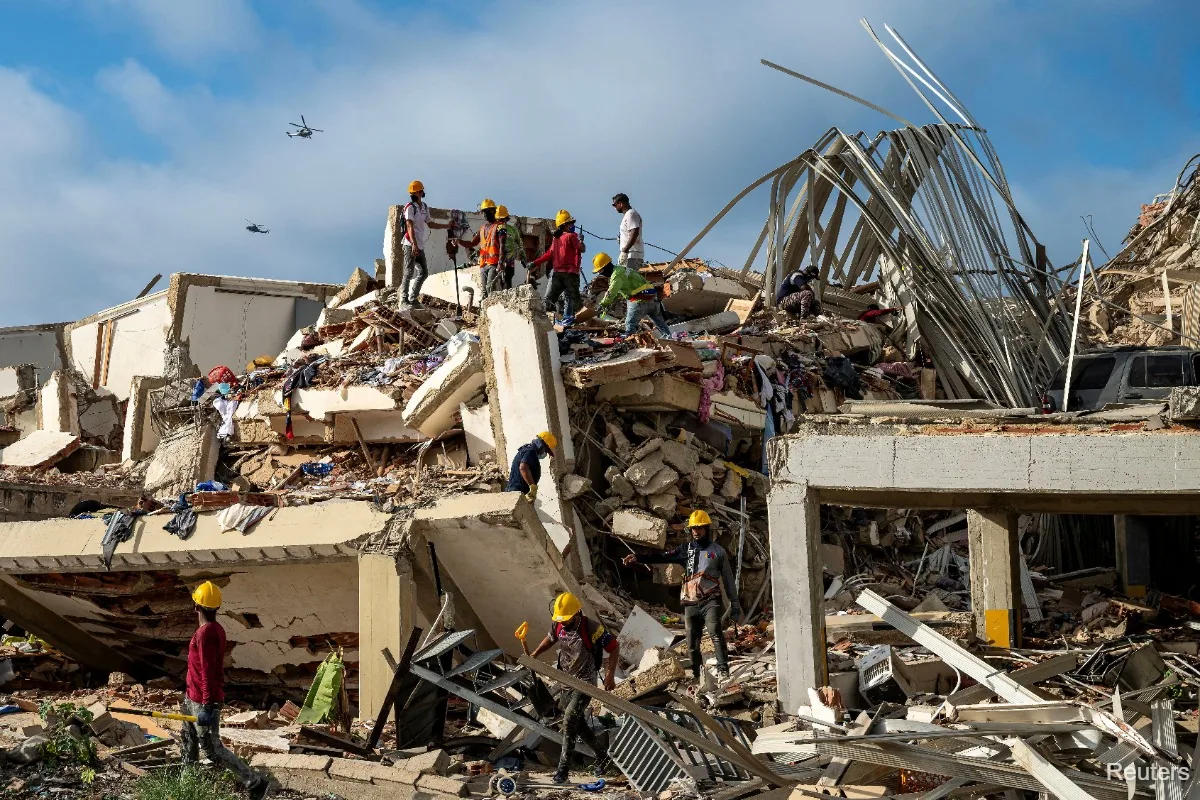
Two strong earthquakes measuring 7.2 and 7.5 struck Venezuela on June 24, 2026, just 39 seconds apart, causing widespread destruction across affected regions [1, 2, 3]. The official death toll has risen steadily, reaching 4,561 by July 14, up from earlier counts of around 3,811 in early July [4, 3, 5, 6]. Authorities reported that 856 buildings were damaged, including 190 that collapsed fully or structurally, leaving thousands homeless [2, 7].
More than 16,740 people were injured, and approximately 6,462 individuals have been rescued from rubble to date [1, 2, 5]. Rescue and recovery efforts involve over 30,000 personnel and nearly 30,000 volunteers, along with thousands of international rescue workers supporting operations [5, 8]. Jorge Rodriguez, National Assembly President, said, "As long as there is life, there is hope. We still have one or two sites where the situation remains uncertain, active sites where we are searching for survivors" [2].
The earthquakes displaced roughly 17,000 to 17,907 people who now lack permanent housing. Authorities have established 107 temporary camps housing over 20,000 victims [6]. Overall, an estimated 25,000 homes were destroyed or severely damaged [2]. More than 128,000 families have received some form of assistance so far [6].
Officials have distributed more than 9,700 metric tons of food and between 12 to 16 million liters of water to those affected [5, 8]. Health experts warn of growing risks from shortages of clean water, sanitation, and medical care, increasing the threat of disease among the displaced. Jarbas Barbosa, director of the Pan American Health Organization, said the greatest health dangers may come from "disruptions to health services, overcrowded conditions, deficiencies in water and sanitation and reduced access to vaccination and routine healthcare" [3].
Thousands of families remain desperate for news of missing loved ones. Crowdsourcing sites have logged about 40,000 missing persons reports, though this figure may include duplicates or those already located [4, 9]. Survivors face trauma and hardship amid slow recovery and inconsistent government support. Earthquake survivor Janet Viana lamented, "I hope I can get my son’s body back before they tear it all down. That’s all I hope for. What else can we hope for when there’s been no response?" [9].
The United Nations has launched an urgent appeal for nearly $300 million to aid 1.3 million affected Venezuelans [1, 3, 10]. Interim President Delcy Rodríguez called for releasing frozen Venezuelan assets abroad, including 30 tons of gold held under UK sanctions, to finance recovery efforts [1, 10].
Relief operations and rescue efforts remain ongoing as authorities work to stabilize conditions, provide shelter, and continue searches for survivors in affected areas.