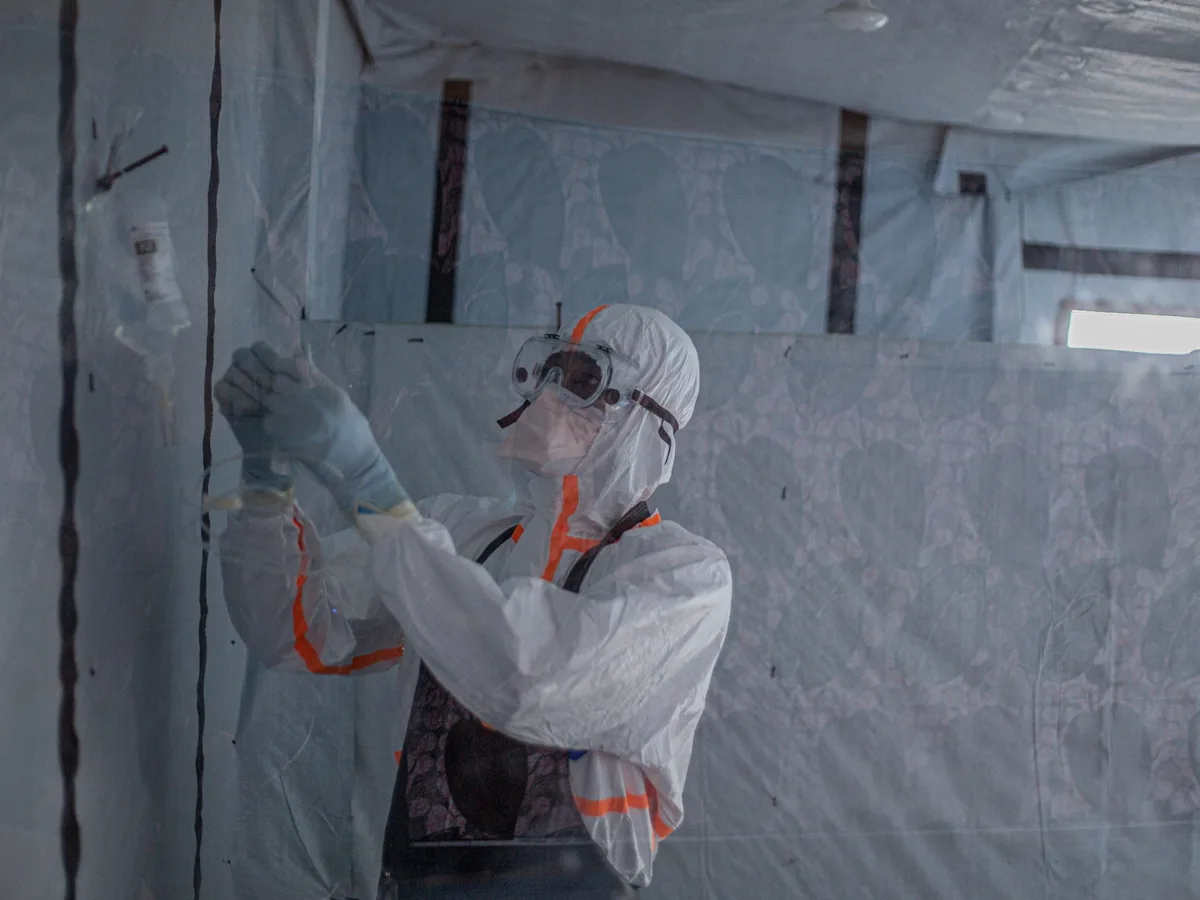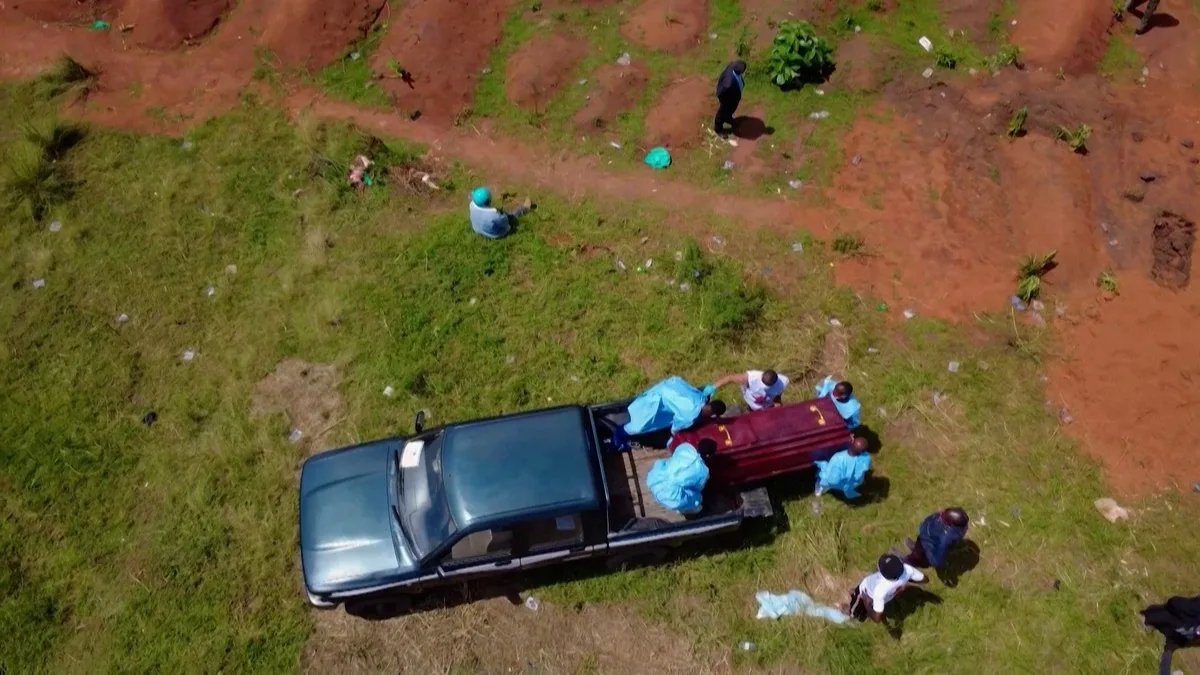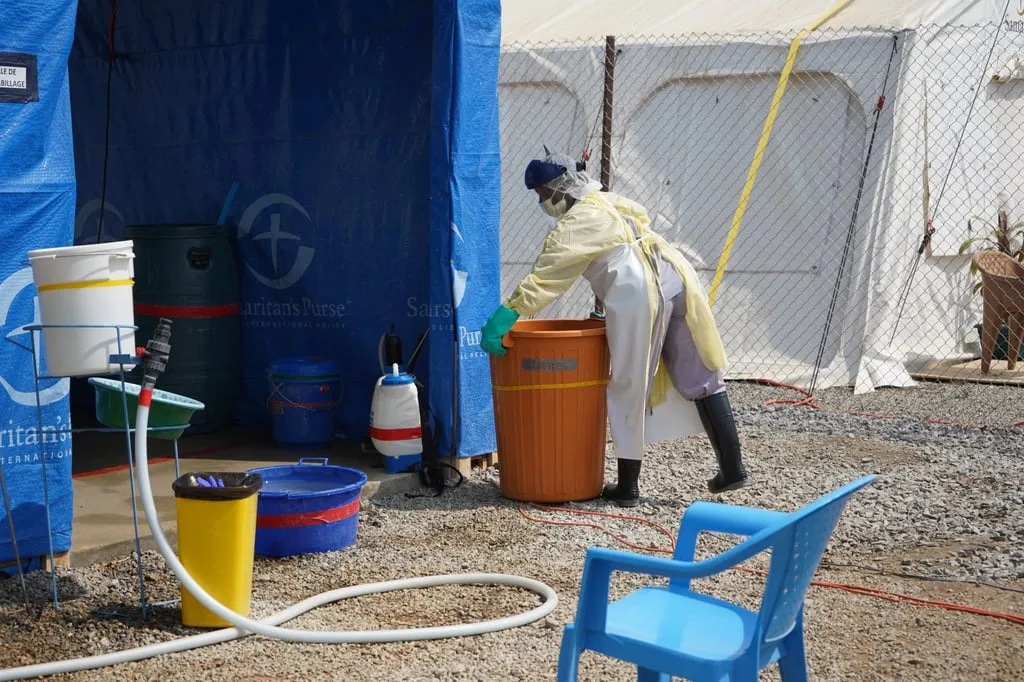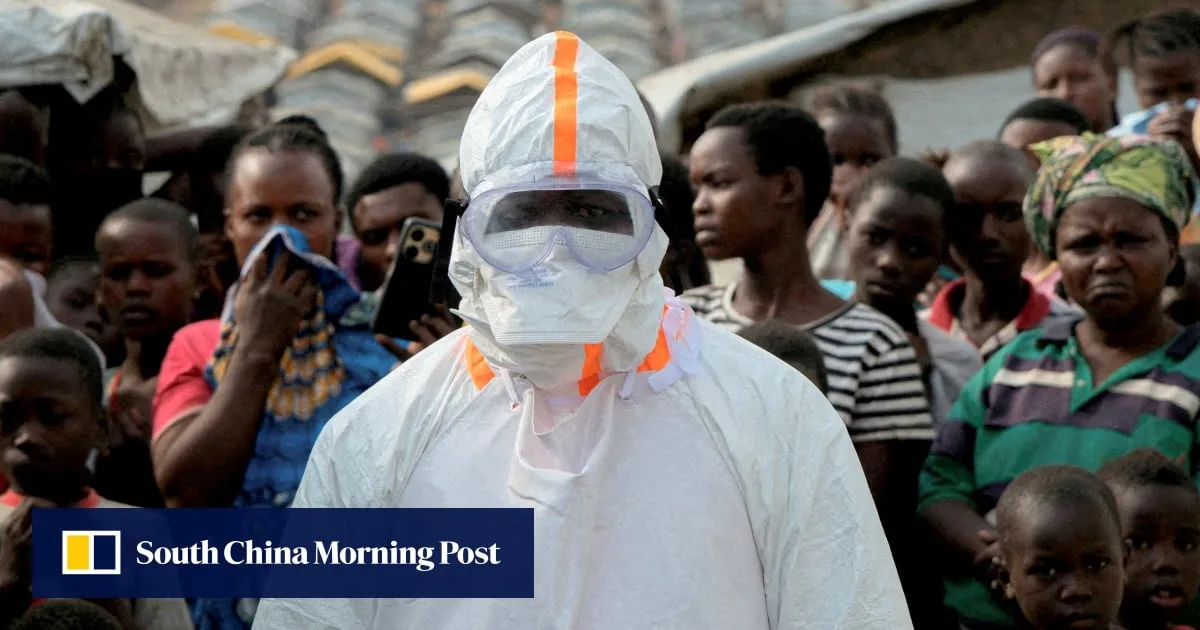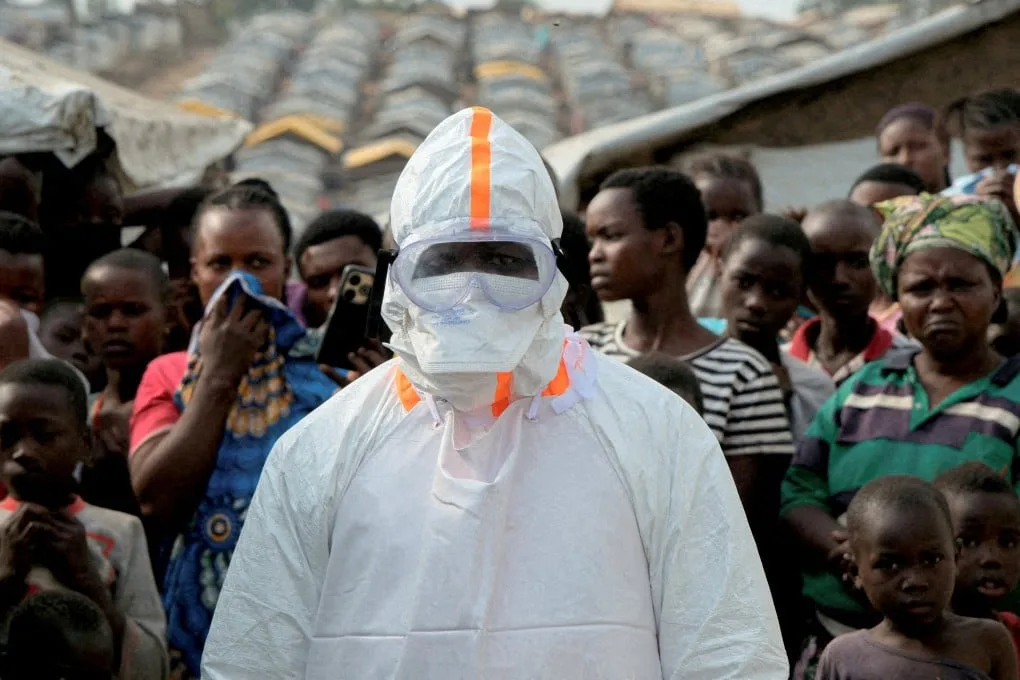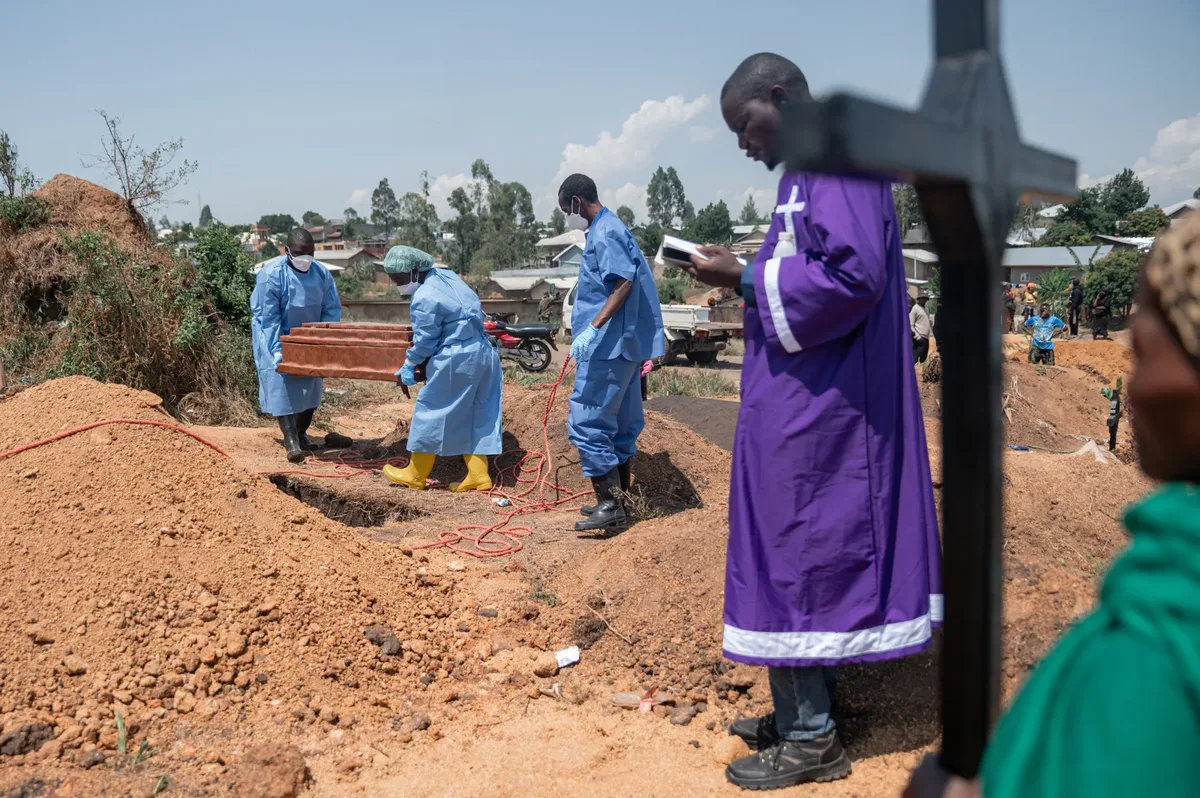
Confirmed Ebola deaths in the Democratic Republic of Congo (DRC) have surpassed 1,000, reaching 1,033 with 2,536 confirmed cases as of July 22-23, 2026, according to government data [1, 2, 3]. The outbreak, declared on May 15, 2026, is caused by the Bundibugyo virus strain, for which there are no approved vaccines or treatments [4, 5, 6, 7, 2].
The virus has spread across five provinces — Ituri, Haut-Uele, North Kivu, South Kivu, and Tshopo — with Ituri remaining the epicenter [6, 7, 2]. The death toll has more than doubled in just over two weeks, climbing from about 500 deaths in early July to more than 1,000 by late July [1, 2].
Health authorities report 737 to 738 Ebola patients currently isolated or hospitalized, with approximately 506 recoveries as of late July [4, 5, 7, 2]. About 80% of new cases come from unknown transmission chains, indicating the outbreak is spreading too quickly for trackers to keep up [4, 6].
The case fatality rate has risen to roughly 40.7% as of July 23, 2026 [2]. Neighboring Uganda has confirmed 20 Ebola cases, including two deaths [5, 7].
The outbreak is spreading faster than any previously recorded Ebola outbreak, including the 2013-2016 West Africa crisis that caused over 11,000 deaths [4, 5, 6]. Spread has been worsened by rebel violence, misinformation, and attacks on health facilities in eastern Congo [6]. At least 36 infected health workers have died, with some ceasing work due to unpaid wages during the epidemic [6].
More than 180 children have died, and 476 have been infected, worsening conditions for displaced and vulnerable populations, said Babou Rukengeza, Ebola response lead for Save the Children in Congo, who highlighted the children's heavy emotional toll from violence and displacement [7].
Jean Kaseya, director-general of the Africa CDC, warned, "We must act now. If we do not stop it today, this will become the worst outbreak the world has ever documented" [5].
Prime Minister Judith Suminwa visited affected provinces in late July to support response efforts [2]. Adelard Lufongola, head of DRC Ebola response operations, said although some provinces show a slight downward trend in new infections, "it is still too early to assert that the peak of the epidemic has been reached" [2].
The African CDC has called for at least $1.4 billion in funding to combat the outbreak across affected countries [7].