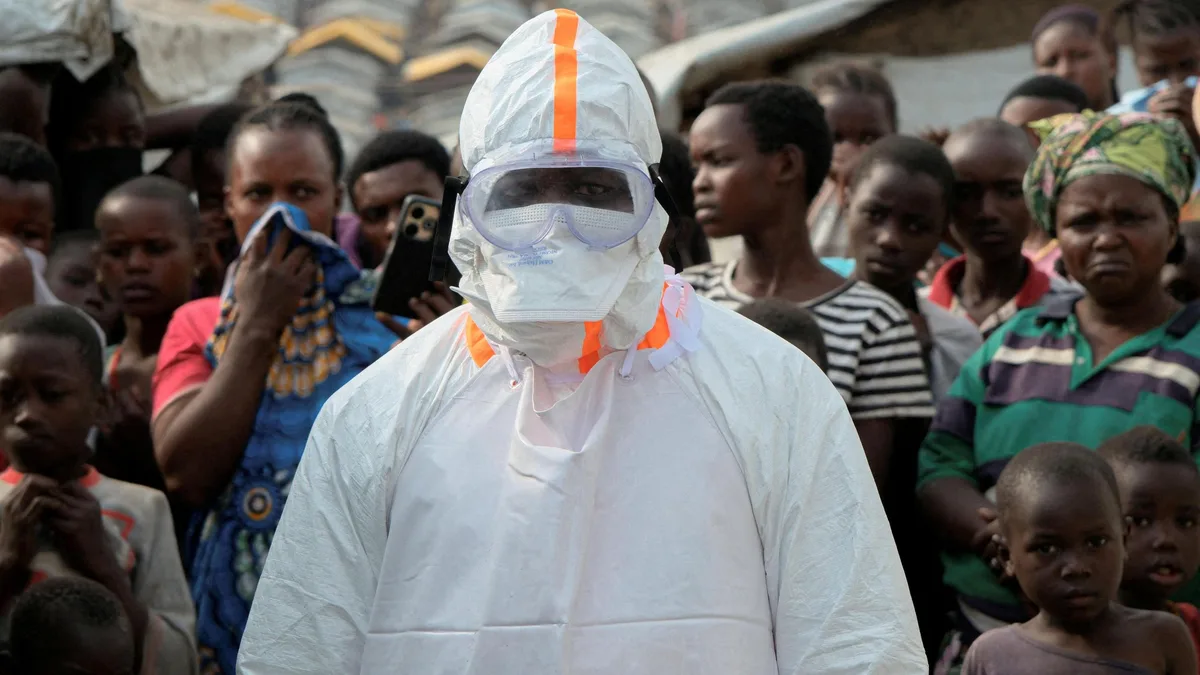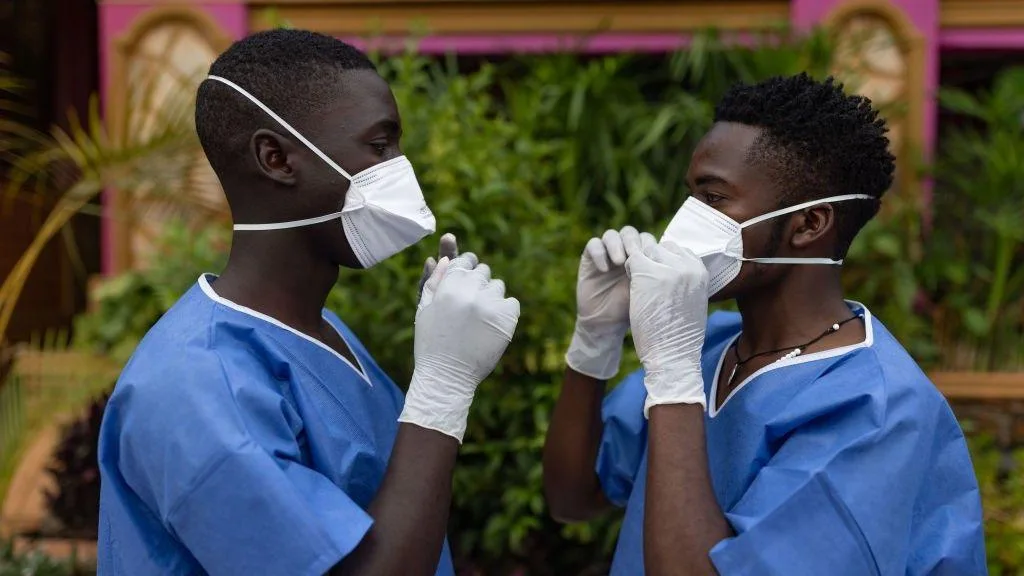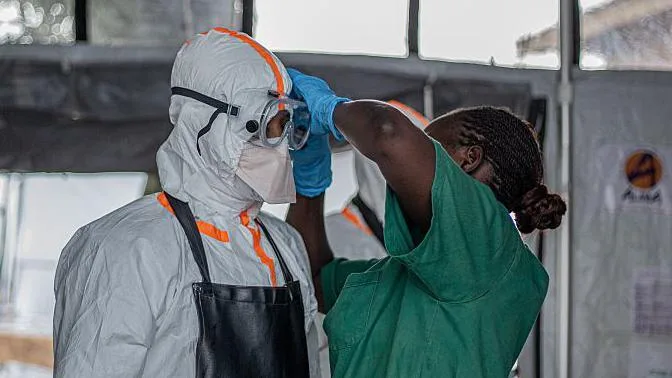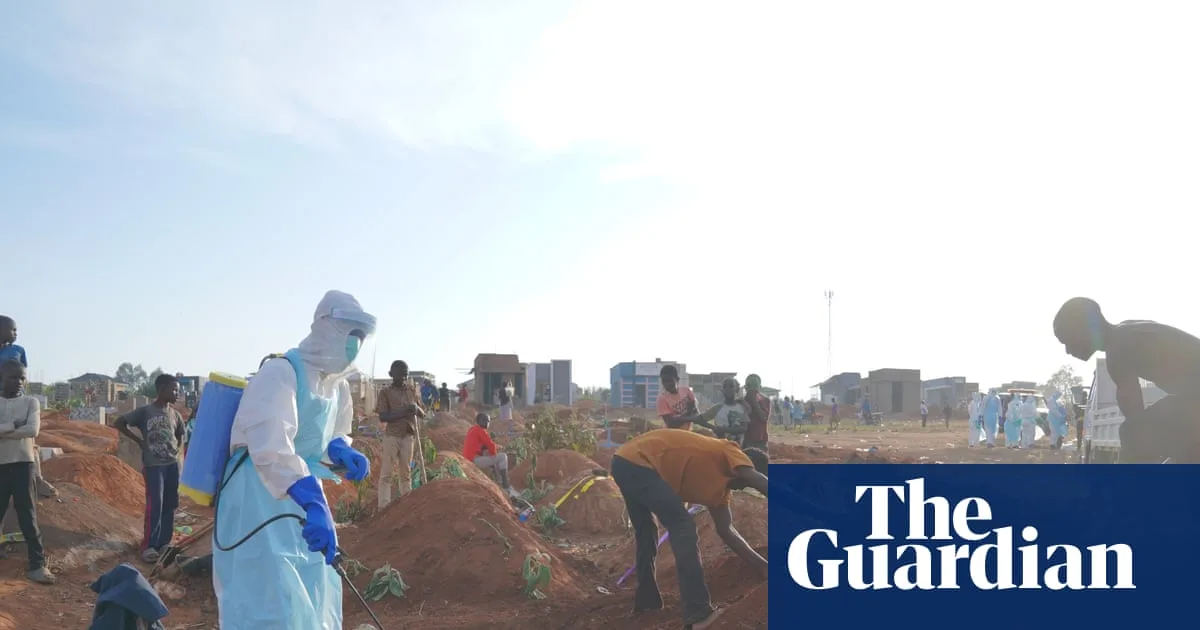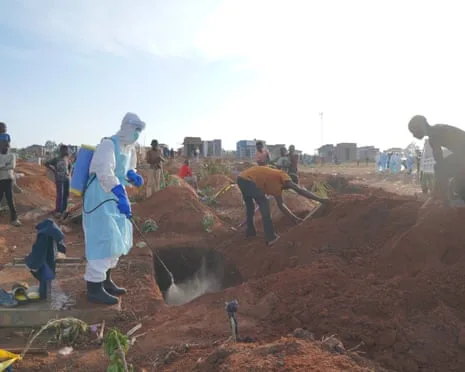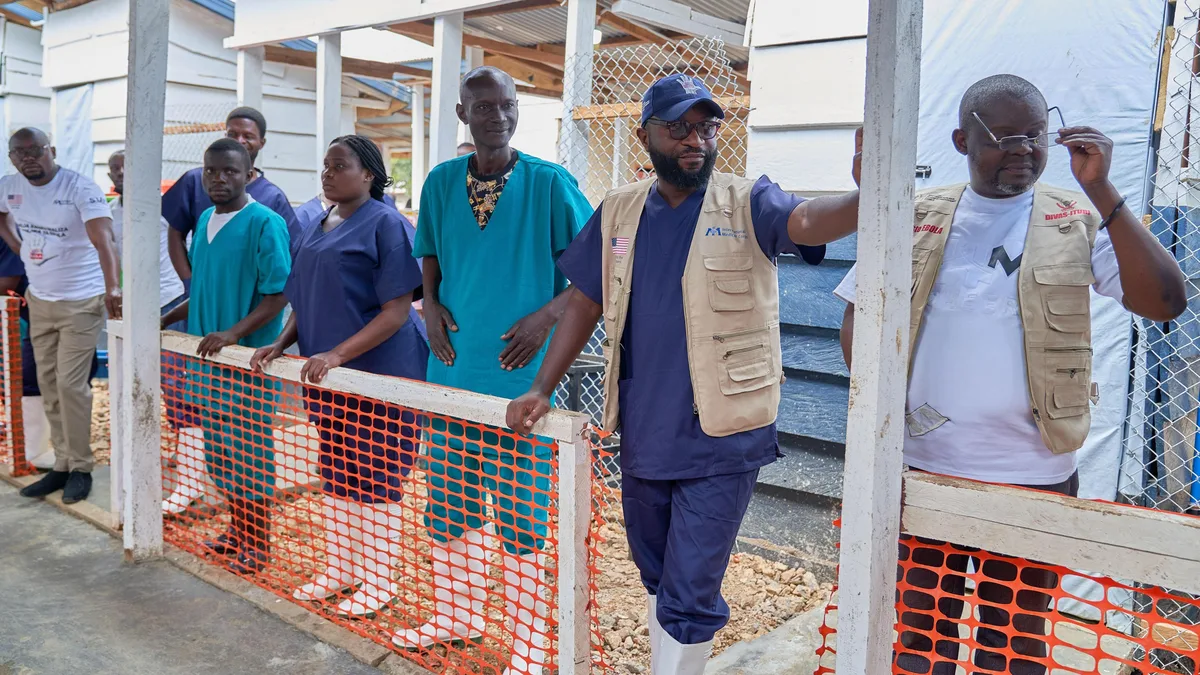
The Ebola outbreak in the Democratic Republic of Congo (DR Congo) has become the deadliest in the country’s history, with 2,325 deaths recorded as of August 16, 2026, surpassing the toll of the 2018-2020 outbreak [1, 2, 3, 4, 5, 6]. The current outbreak was officially declared on May 15, 2026, and is caused by the Bundibugyo strain of the Ebola virus [1, 3, 4, 6].
There are 4,945 confirmed cases so far, including 101 new cases reported within the last 24 hours [1, 2, 3, 4, 5, 6]. The virus is spreading rapidly across six provinces: Ituri, North Kivu, Haut-Uele, Tshopo, South Kivu, and Bas-Uele [1, 3, 6]. Ituri province remains the epicenter, with over 3,400 cases recorded there alone [2, 6].
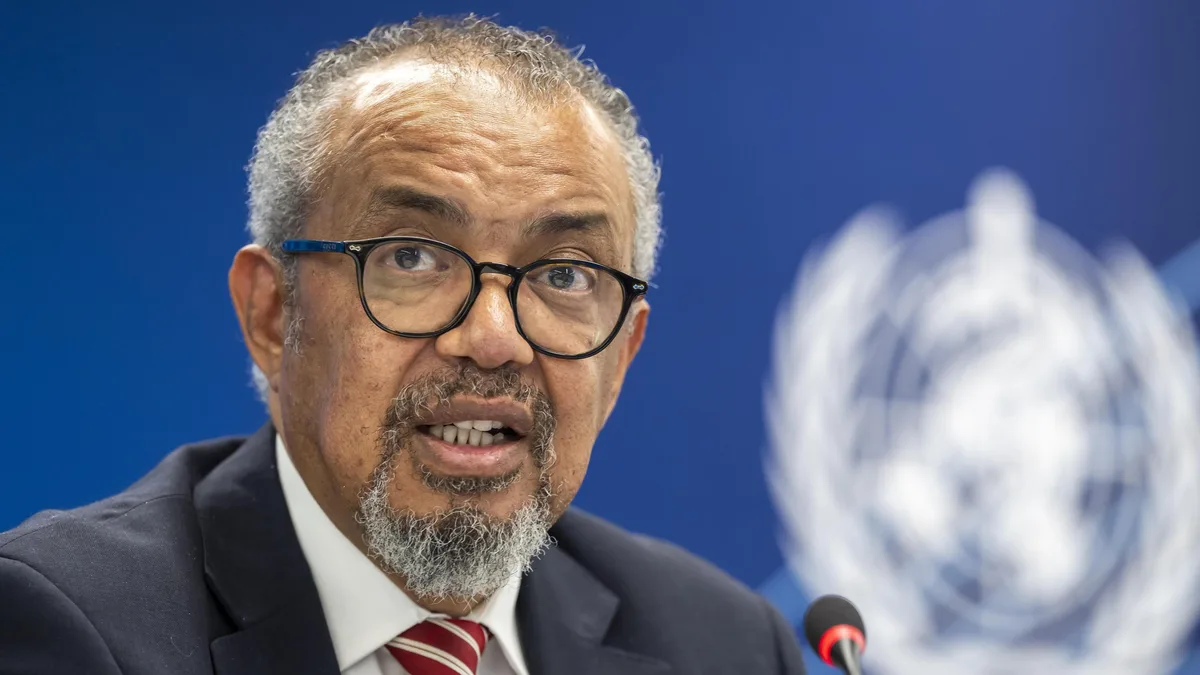
This marks the 17th Ebola outbreak in DR Congo since the virus was discovered in 1976 [1, 3, 4, 6]. UN humanitarian chief Tom Fletcher and the World Health Organization (WHO) have warned that the outbreak is the fastest growing on record, killing one person every 30 minutes. Fletcher said, "Ebola is winning in the Democratic Republic of the Congo. We cannot let the virus outrun our response" [1, 2, 4, 6]. He also stressed the need for "speed, scale, and solidarity before this virus gets even further ahead of us" [4]. WHO Director-General Tedros Adhanom Ghebreyesus noted, "At its current pace, it's on track to eclipse the West African Ebola outbreak of 2014 to 2016," which caused over 11,000 deaths [4].
The Bundibugyo strain symptoms include fever, headache, fatigue, vomiting, and diarrhea that can lead to organ failure [1, 2]. The case fatality rate stands at around 47%, nearly doubling from about 20% in early June, reflecting late detection and limited treatment options [3, 4]. Public health specialist Thomas Parisch said, "We’re still seeing many cases detected very late, when treatment is less likely to succeed, with many identified only after they die in the community" [2].
No approved vaccine or specific treatments exist yet for this strain, but human trials for an experimental vaccine are underway [1, 2, 4, 6]. The outbreak has also spread to neighboring Uganda, with at least 20 confirmed cases, mainly in the capital Kampala [1, 2, 6].
The 2018-2020 outbreak caused 2,299 deaths and 3,481 cases, mainly in North Kivu and Ituri provinces [3, 6]. The West African outbreak from 2014-2016 had 28,600 cases and 11,310 deaths [2, 3, 4].
Authorities and international partners continue efforts to contain the virus amid the rapid spread and grim death toll [1, 3, 4]. The situation is being closely monitored as new cases continue to rise, with daily reports expected.