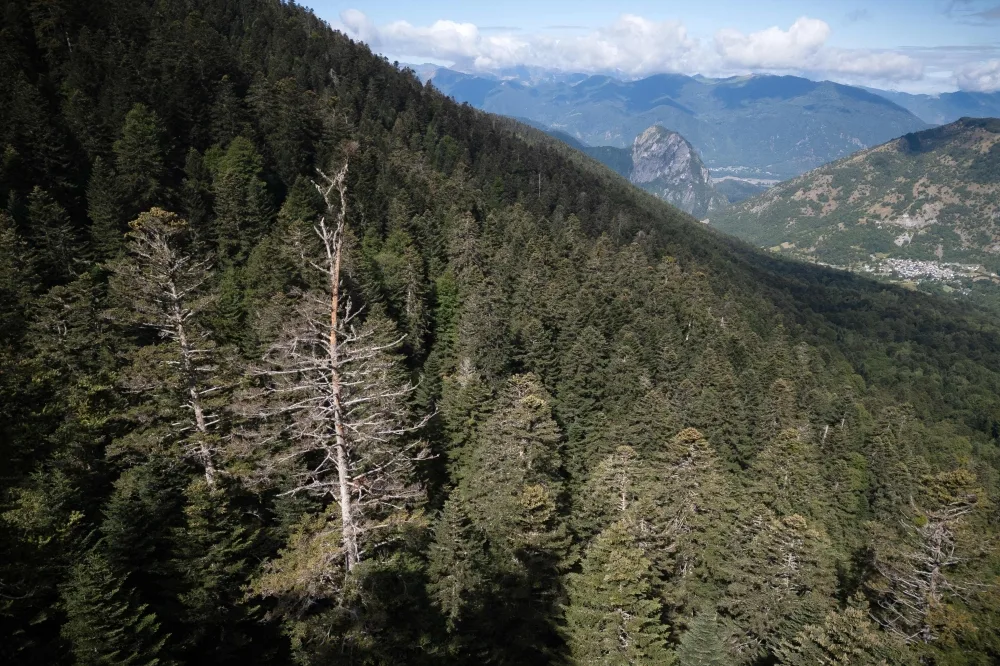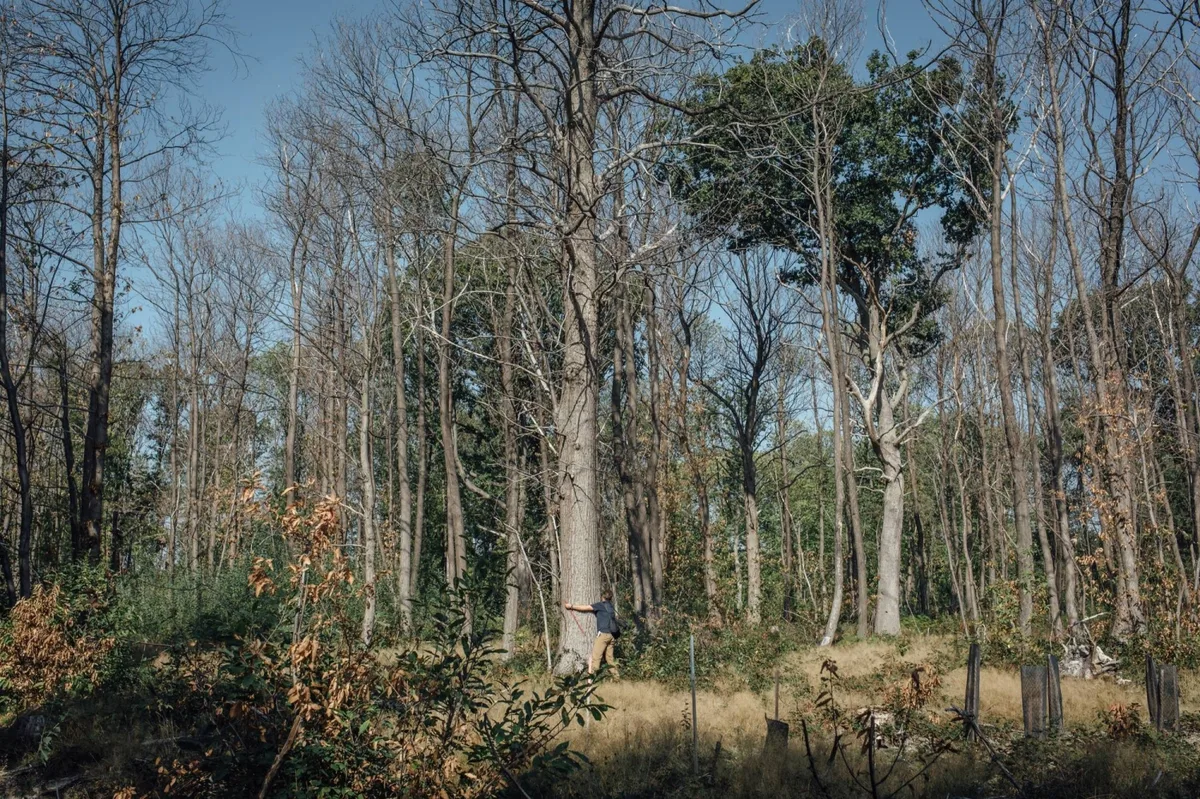
European forests, including those in France, are suffering severe damage due to repeated heatwaves and intense drought driven by climate change. These conditions are putting trees under extreme stress, threatening their survival [1, 2].
Trees regulate temperature by releasing water vapor through pores called stomata in a process known as transpiration. Rising temperatures accelerate water loss from leaves and soil, further stressing trees [1, 2]. To reduce water loss, some trees rapidly close their stomata, which conserves water but stops photosynthesis. Over time, this can starve trees of the energy they need to survive [1, 2].
Other tree species, especially those with deep roots, keep their stomata open longer to draw water from the soil. However, if water supply is insufficient, these trees risk "dying of thirst," as Manuel Nicolas of France's National Forestry Office explained. "A tree is a column of water that can absorb up to 200 litres per day," Nicolas said. "But the risk this time is dying of thirst" [1, 2].
Heat and drought also cause gas embolism—air bubbles that block sap circulation in tree vessels. This cuts off water transport within the tree, leading to dehydration and death [1, 2]. Nicolas has studied these impacts on French public forests for decades and confirms all trees are suffering, though their responses vary by species and local conditions [1, 2].
France is currently experiencing a record-breaking early-season heatwave exacerbating stress on its forests. On May 30, reports highlighted severe forest damage in France tied to the heatwave, with additional coverage the following day showing widespread dying of European forests as heatwaves push trees beyond survival limits [1, 2].
A mature tree can absorb up to 200 liters of water daily through its water transport system from roots to canopy, underscoring the scale of water stress during droughts [1, 2]. For perspective, the Fontainebleau forest, located roughly 60 kilometers (37 miles) from Paris, is among the affected areas [1, 2].
Forest managers and scientists continue monitoring conditions closely as the summer progresses, seeking ways to protect vulnerable trees in the face of recurring heatwaves and drought.