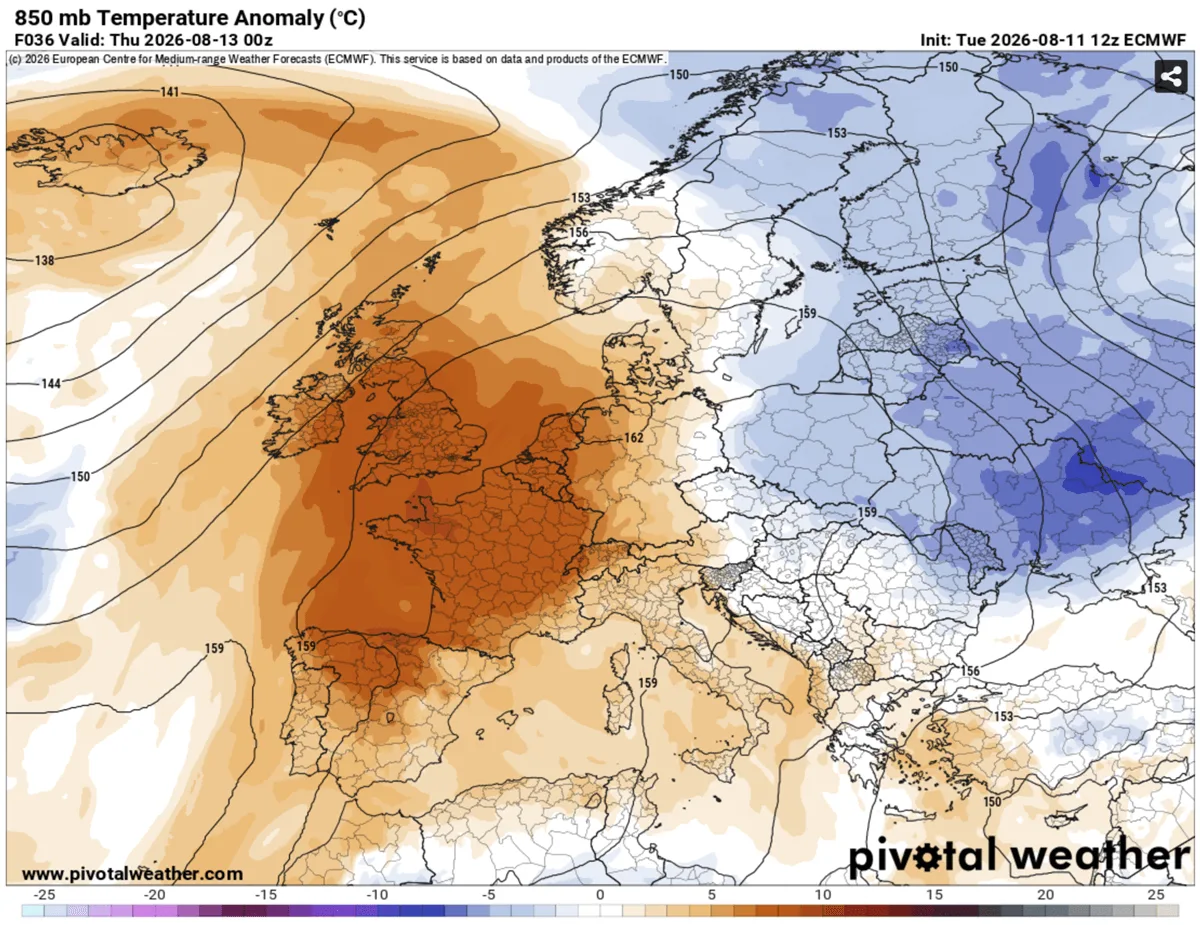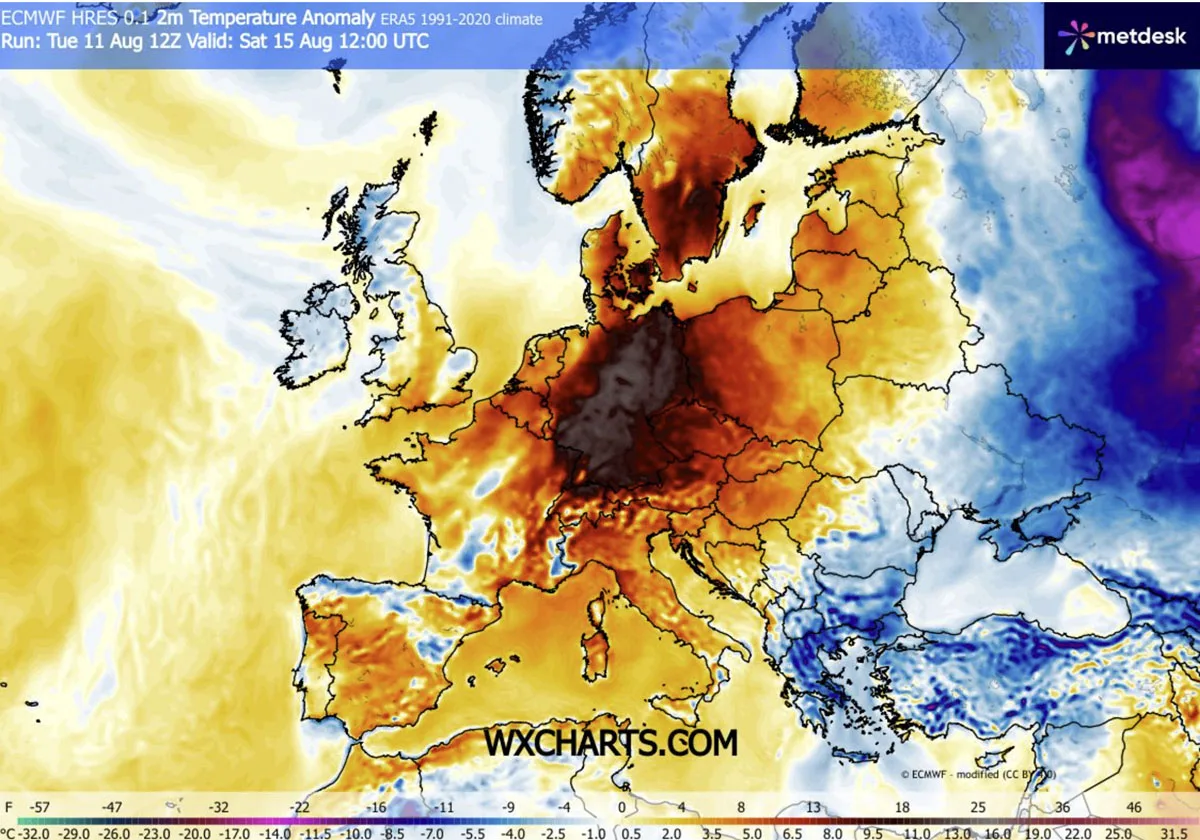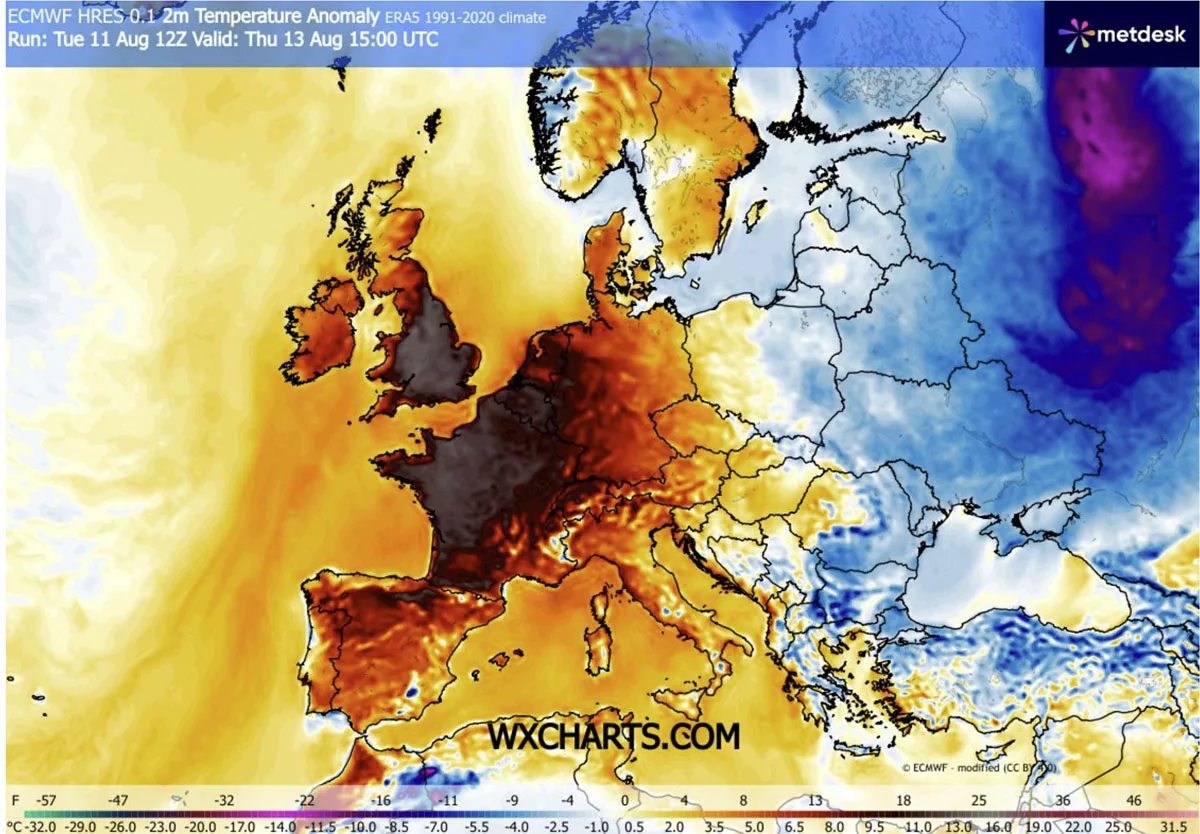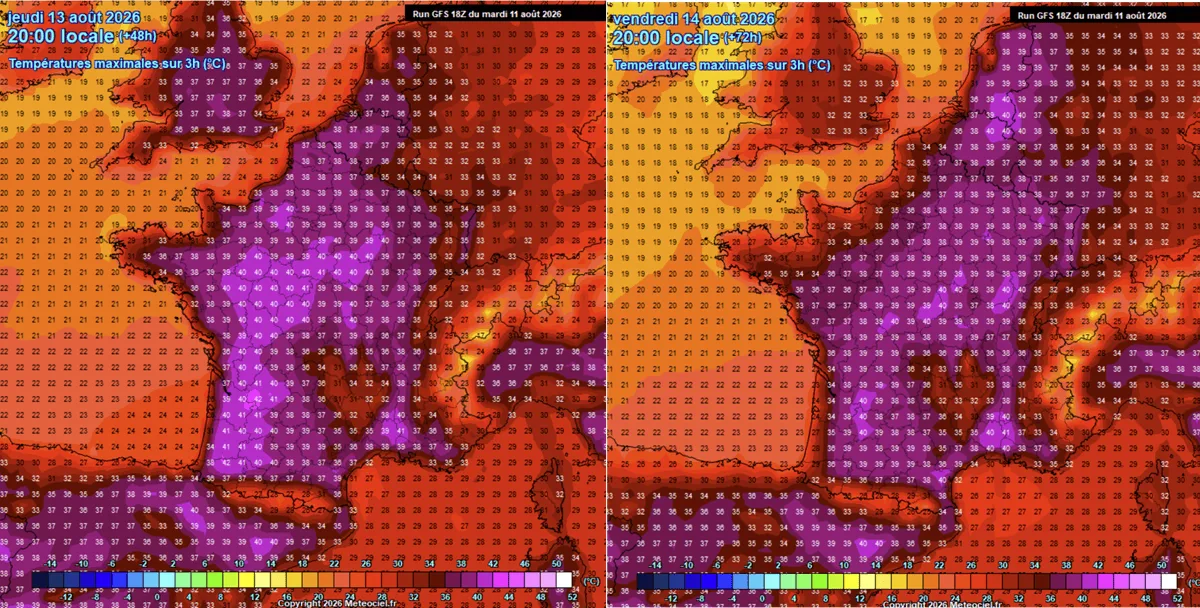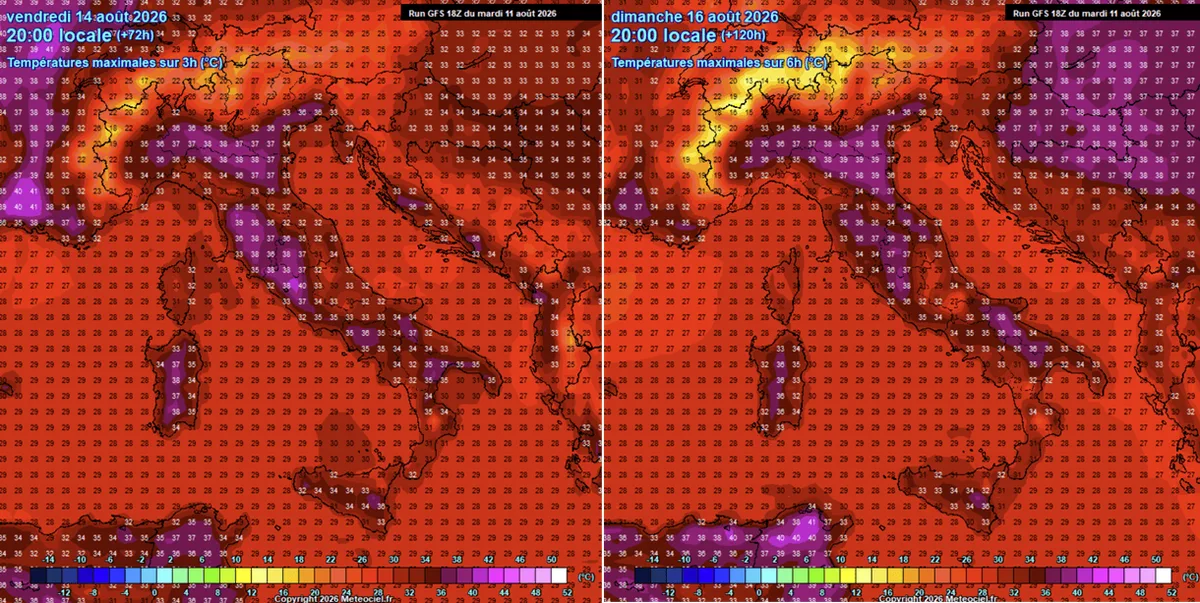
Europe experienced its fifth heatwave of the summer on August 13, 2026, with the UK recording a provisional high of 38.1°C in west London, breaking the year’s previous record of 38°C set in June [1, 2]. Temperatures soared above 40°C in parts of France, Spain, and Italy, with France seeing up to 41°C and Spain breaking burned area records due to wildfires intensified by dry conditions and extreme heat [3, 1, 2].
Multiple regions in the UK, including London, the Midlands, and Yorkshire, were placed under amber heat alerts as the heatwave peaked [3, 1]. London’s emergency services faced exceptional strain, with ambulance calls surpassing levels seen during the Covid-19 pandemic and the fire brigade marking its busiest July ever amid worsening wildfire risks [3]. London Mayor Sadiq Khan announced £8.9 million in additional funding to support firefighting efforts, stating, "The climate crisis is on our doorstep right now and is having a devastating impact on our lives and the environment" [3].
Hospitals across the UK reported increased cases of heat exhaustion among patients and staff as cooling systems struggled to manage the heat [2]. Pharmacist Bailey Williamson described conditions as "unbearable," adding, "People in beds are really, really sick and they can’t even breathe because of the heat problem – so it’s really bad" [2].
France recorded 17 days of extreme heat this summer, including temperatures exceeding 38°C in cities like Paris, Bordeaux, and Nantes. Forecasts suggested continued highs of 40-41°C in various areas of France and Spain on August 13 [1, 2]. Nearly three-quarters of England and all of Wales faced significant drought conditions, fueling wildfire dangers and straining water resources [1]. Spain saw its burned wildfire area surpass any previous record for this time of year [1].
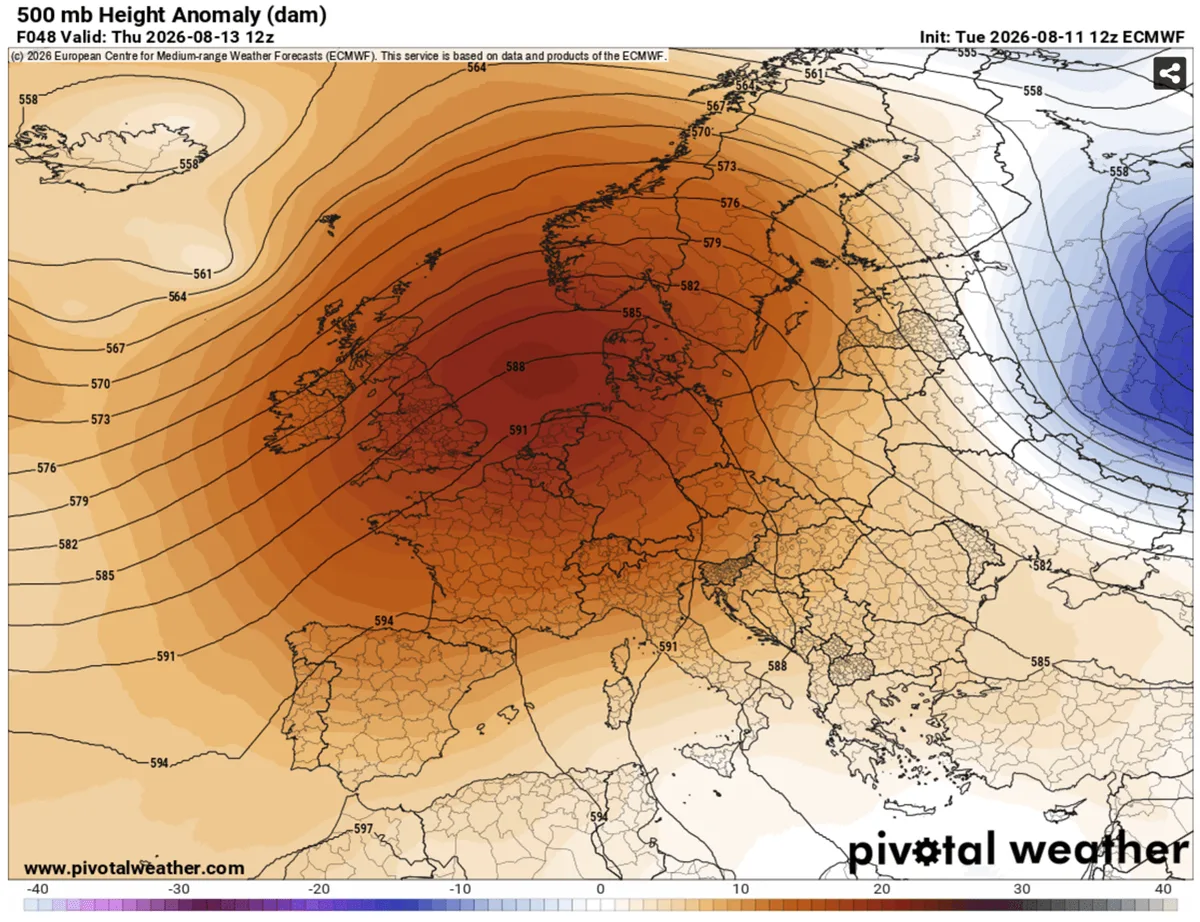
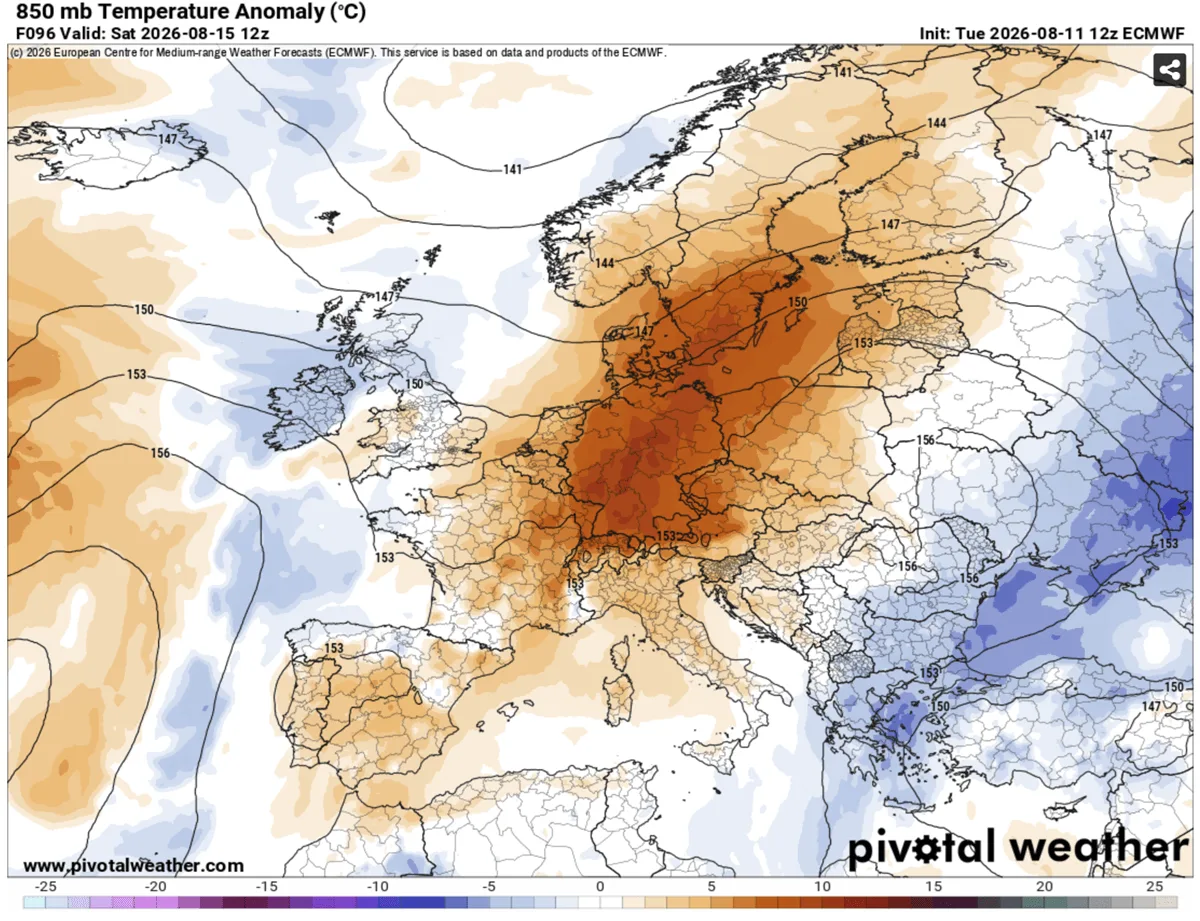
The heatwave is driven by a persistent high-pressure system known as a "Heat Dome" over continental Europe, causing daytime temperatures to soar and overnight lows to remain unusually high between 22-26°C, compounding heat stress [4]. Over 135 million Europeans are forecast to endure temperatures above 35°C during the mid-August period [2].
The London fire brigade’s record-breaking July and escalating wildfire incidents underscore the increasing risks. The next key period to watch includes extended heat warnings and emergency service responses as the heatwave maintains its intensity across Europe.