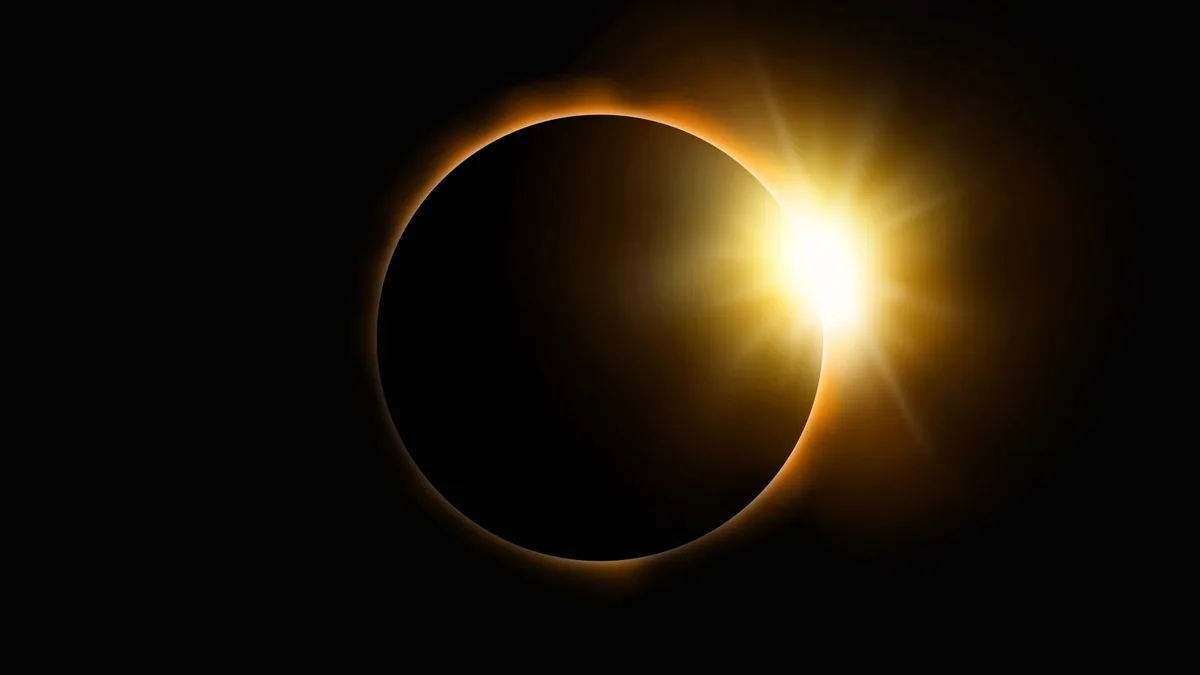
Hundreds of thousands of tourists are traveling to Europe to see the total solar eclipse on August 12, 2026, causing major spikes in hotel rates in Iceland and northern Spain [1, 2, 3].
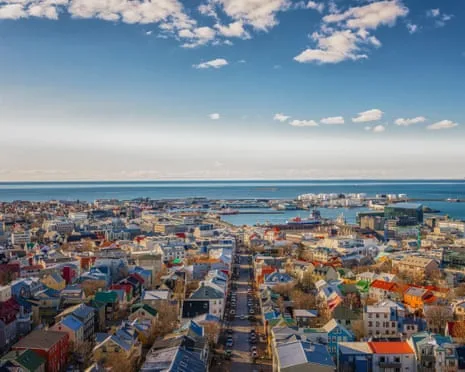
In Reykjavik, Iceland, average hotel prices for the night of the eclipse reached as high as $1,012 by mid-July, nearly double the same period last year. Some last-minute discounts pulled prices back to about $793-$805 by early August [1, 2]. Hotels there started with steep rates months in advance, then lowered them to attract more bookings closer to the event [2].
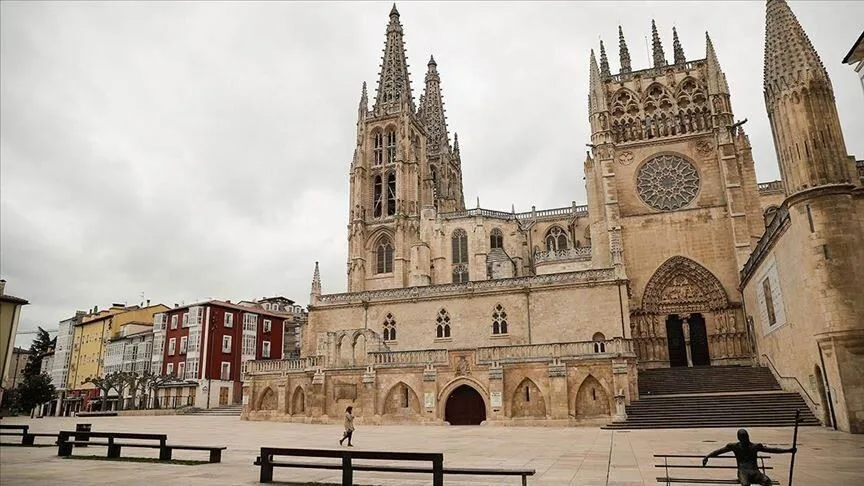
Across northern Spain, cities including A Coruña, Bilbao, Santiago de Compostela, Zaragoza, Leon, Burgos, Palencia, Valladolid, Teruel, Oviedo, and Soria saw hotel room prices climb dramatically. In some areas like Zaragoza and Leon, prices rose over 500% compared to earlier in 2026 or 2025. Other towns such as Palencia and Oviedo had increases above 240% [1, 3]. In Soria, hotel rates jumped from under €150 a week before the eclipse to about €900 (roughly $1,050) for the night [3].
Spanish authorities expect around 460,000 overseas tourists specifically for the eclipse, with nearly 500,000 total additional visitors including domestic travelers in the region from August 10 to 16. Correspondingly, car journeys may rise by as many as 1.5 million on eclipse day [1, 3]. The government projects eclipse tourism will generate approximately €342 million in extra spending, with more than 70% coming from international visitors [3].
Concerns have been raised about fire risks due to dry summer weather and the heavy influx of visitors. Spain plans to deploy 35,000 police officers, ban parking near vegetation, and close natural parks and rural trails during the event. Virginia Barcones, Secretary General for Civil Protection and Emergencies, said, "We’ve had an extremely tough summer in Spain, with yet another series of major forest fires. That’s why we must restrict any kind of activity that could generate a spark." [1]
Hotel owners in Spain have raised prices more gradually compared to Iceland’s early peak. Some warn that excessive fees could harm visitor goodwill. Carlos, owner of Dauria Suites in Soria, said, "You have to take advantage of the situation, of course, but not that much." [2, 3]
Jonathan Gough of Lighthouse Intelligence noted that hoteliers are testing “what the market can bear” on pricing during rare events like FIFA World Cups or superstar concerts [2]. The eclipse is drawing unprecedented demand to these European locations.
The total solar eclipse occurred on August 12, visible in both Iceland and northern Spain, attracting large crowds [1, 2, 3]. Authorities continue managing tourism flow and safety measures through August 16 to handle the surge in visitors [3].