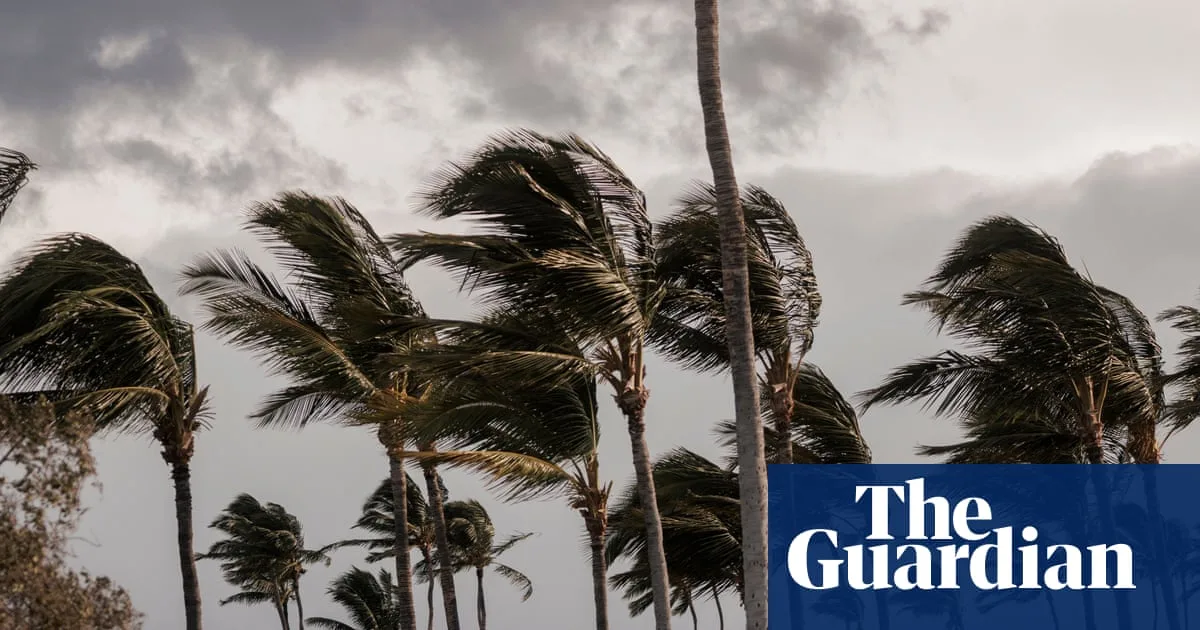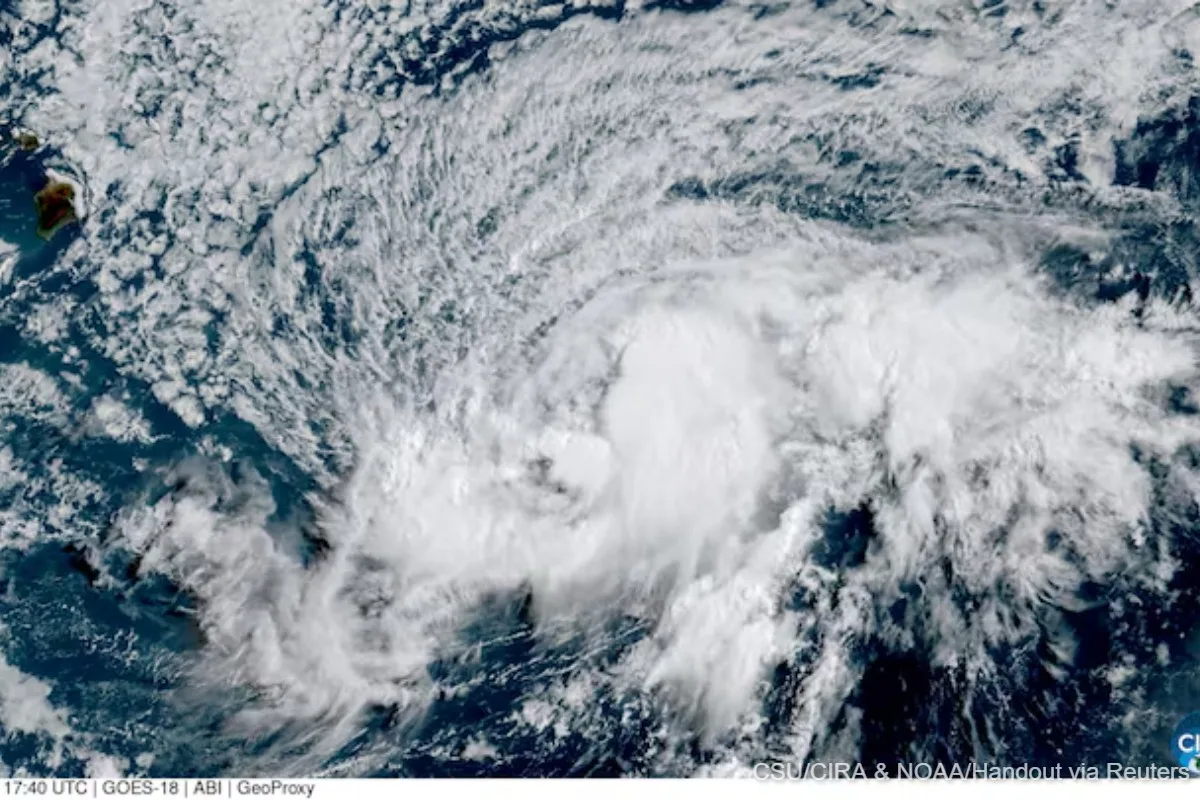
Hurricane Lala strengthened into a Category 1 hurricane with sustained winds near 120 km/h (75 mph) on the morning of August 15, 2026, as it approached Hawaii’s Big Island [1, 2, 3, 4, 5]. The storm skirted the south coast without making direct landfall but unleashed life-threatening flooding, mudslides, and dangerous surf across the island and surrounding Hawaiian islands [6, 7, 8, 9].
Heavy rainfall totals between 10 to 25 inches (25.4 to 63.5 cm) were recorded, especially in the higher elevations of Mauna Kea and on windward slopes, with some reports indicating localized amounts up to 35 inches (90 cm) [1, 6, 2, 7, 9]. Strong wind gusts exceeded 100 mph (161 km/h) at high elevations, while lower areas saw sustained winds of 75 to 90 mph, causing widespread damage [1, 10, 9].
Flooding and road closures affected Hawaii Island, Maui County, and Kauai. Downed trees and power lines led to outages impacting between 100,000 and 130,000 utility customers statewide at various points, with some discrepancy in exact numbers over the days following the storm [1, 11, 10, 8, 12]. Airports including Hilo International and Ellison Onizuka Kona International faced significant disruptions, contributing to approximately 190 flight cancellations and delays [6, 11, 8].
The storm also generated storm surges of 30 to 90 cm (1 to 3 feet) and produced hazardous rip currents along the coasts [2, 3, 4, 5]. Around 100 homes on the Big Island were reported damaged or washed away by floodwaters [8, 12]. Tragically, one person died in a weather-related car accident during the storm [6, 11, 7, 8].
Governor Josh Green declared a state of emergency for all Hawaiian islands on the evening of August 15 to mobilize resources for cleanup and infrastructure repair. He urged residents to stay home and warned, "You definitely want to be home, do not be out on the roads" [6, 2, 3, 4, 5]. Hawaii County Mayor Kimo Alameda described the dangerous conditions: "The floodwaters are rushing fast with rubble and boulders on roads and it's dark, making search and rescue difficult" [8].
Lifelong Big Island resident Bobby Camara said, "I think stocking up is part of life over here. You learn to be self-reliant," adding he planned to "hunker down, cross my fingers, hope the lights don't go out at a care home near Hilo" [6, 9].
By early August 16, Lala weakened to a tropical storm but continued to drive flooding and power outages across Hawaii, with rescue operations in progress [11, 7, 12]. Flight disruptions and hospital generator use persisted through the day [11, 7, 8]. Recovery efforts remain ongoing in the hardest-hit areas.