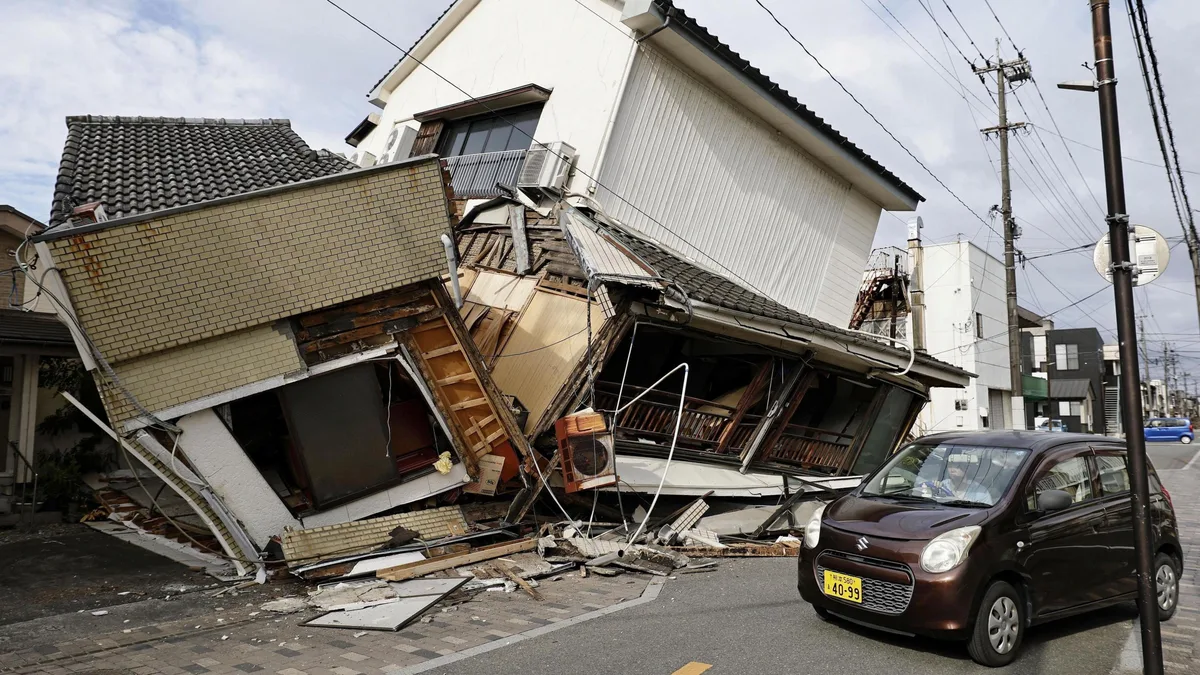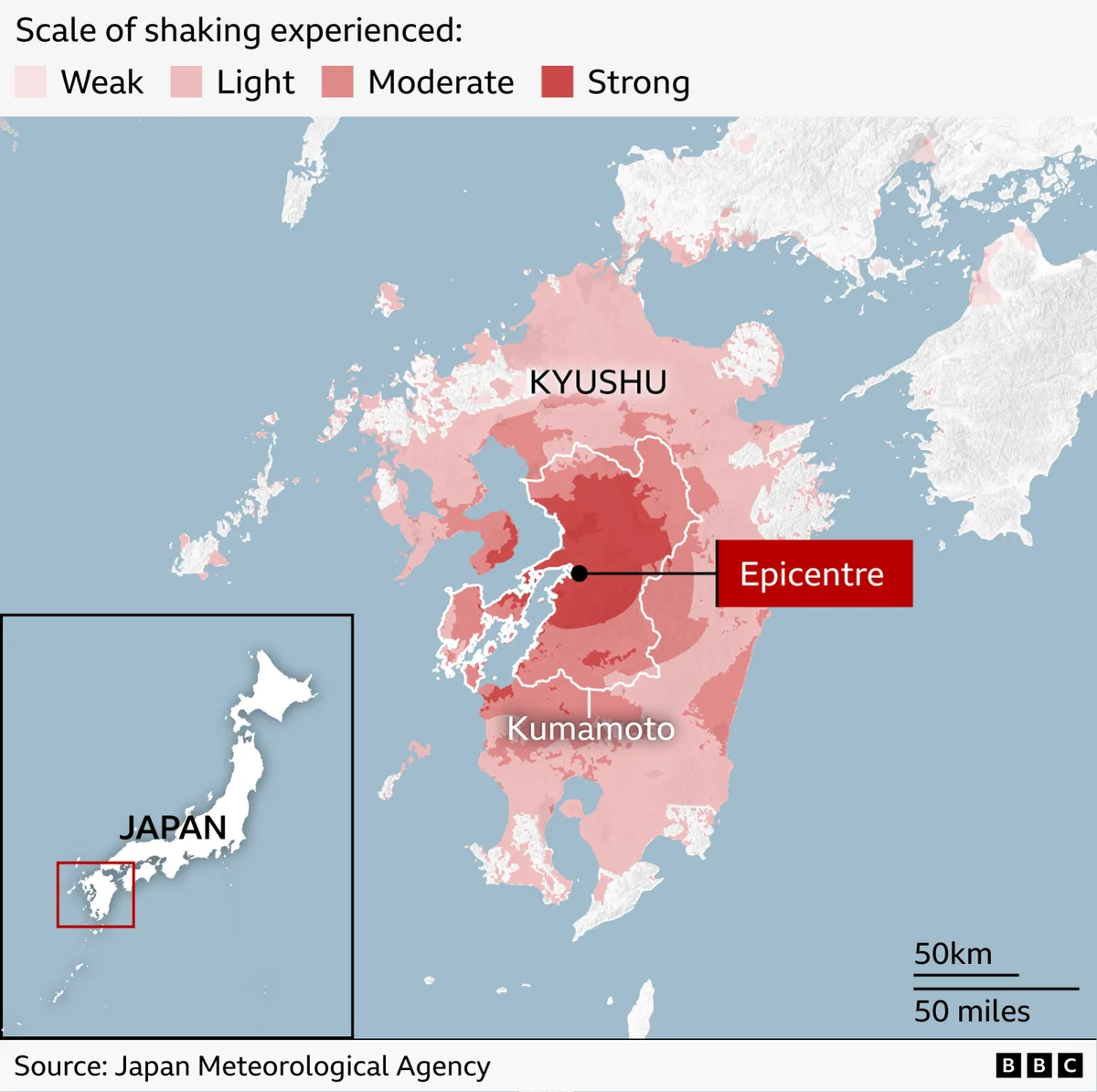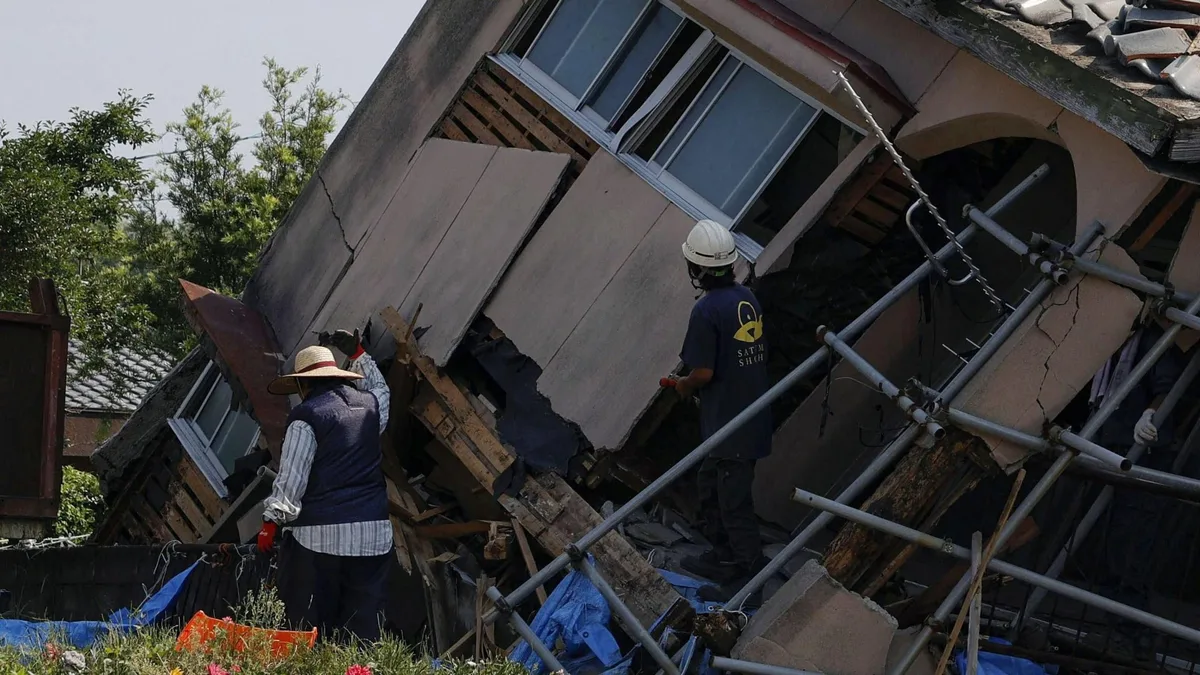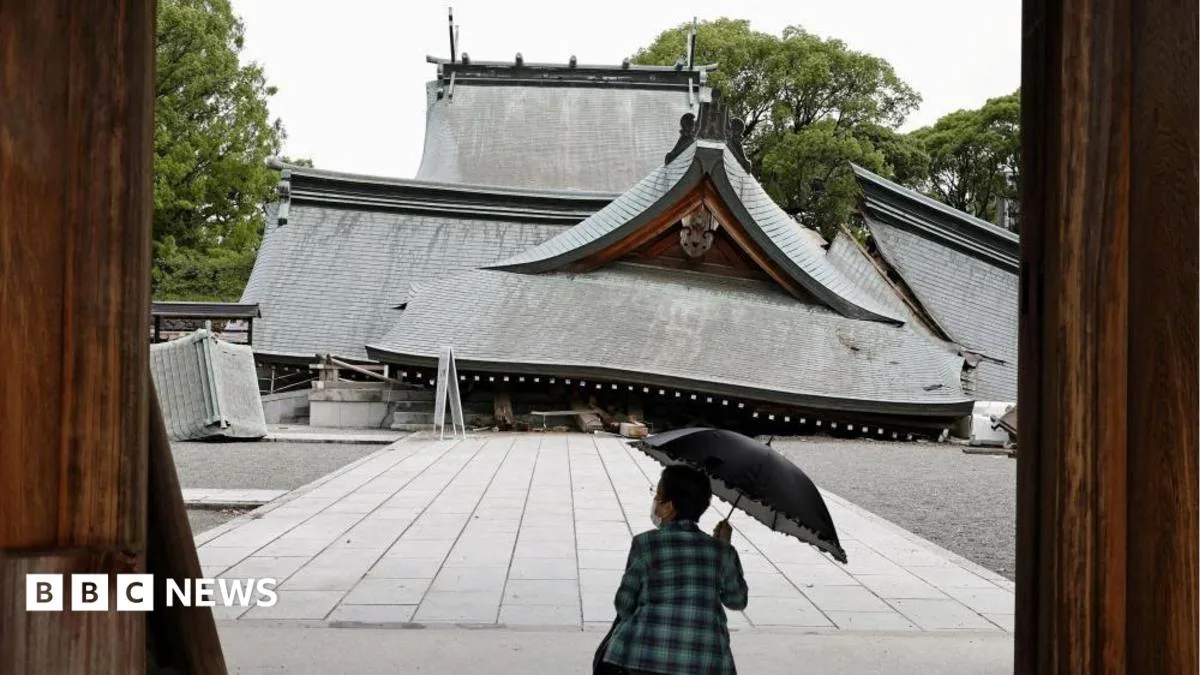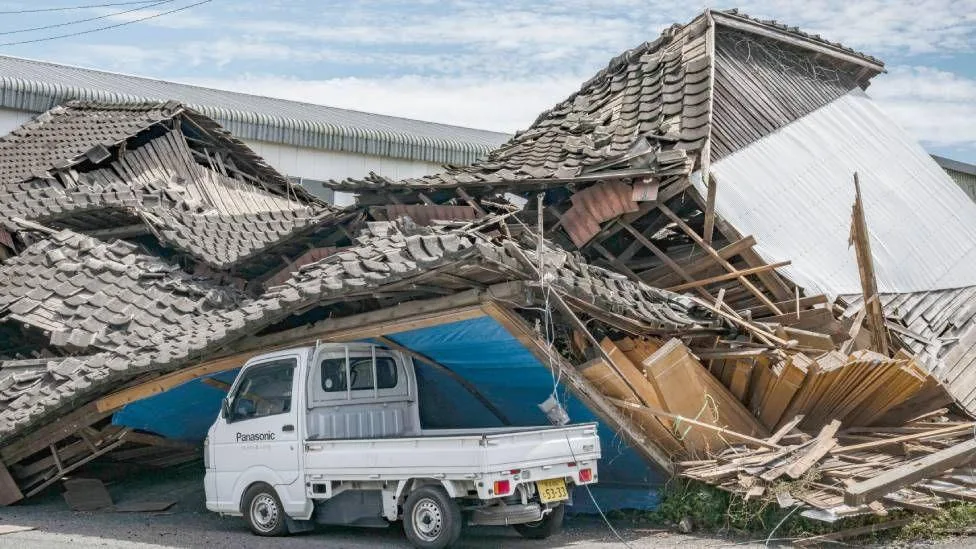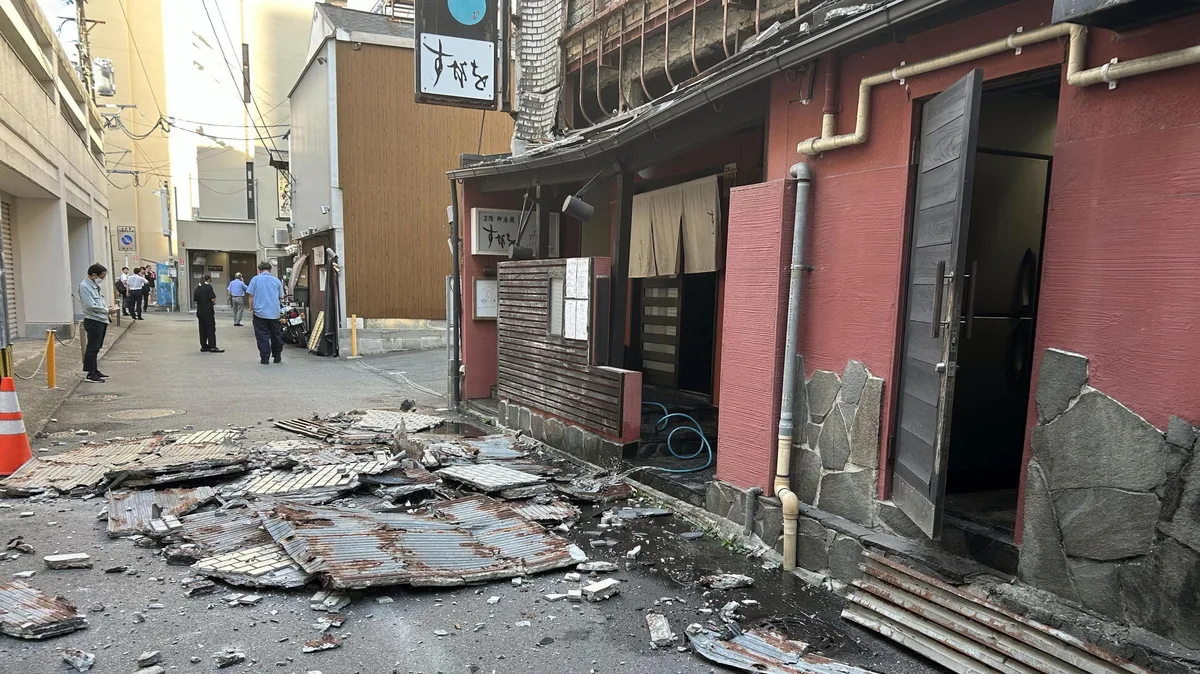
A magnitude 7.1 earthquake hit Kumamoto prefecture on Kyushu island on July 28 at 16:27 local time, with a shallow epicenter 10 to 16 km deep, causing widespread damage and casualties [1, 2, 3, 4]. The quake triggered strong aftershocks, with over 100 recorded in the following days. The Japan Meteorological Agency warned residents to expect further quakes with seismic intensities as high as 7 over the next several days [5].
About 260,000 to 300,000 people were ordered to evacuate to shelters across Kumamoto, and more than 36,000 homes lost power [1, 3, 6, 7]. Roads, bridges, and buildings suffered ruptures and collapses, while train services in the region were suspended [1, 2, 3]. Emergency personnel including the Self-Defense Forces, police, and fire services have been deployed for rescue operations [1, 5, 6].
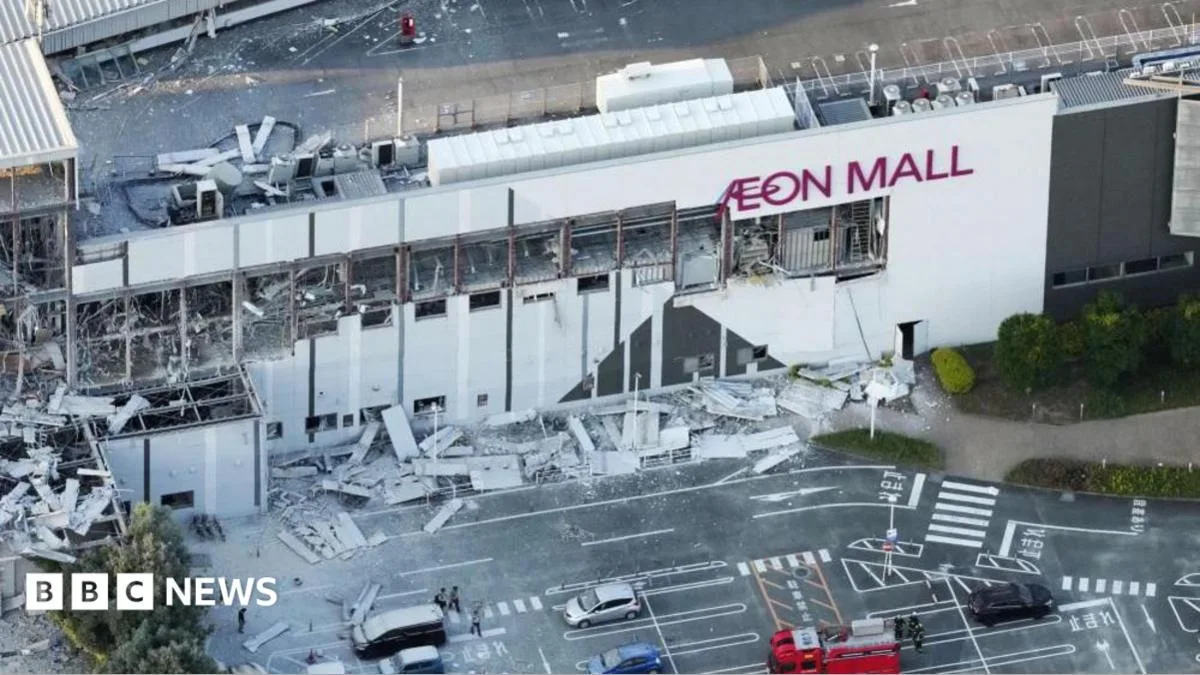
At the Aeon Mall Kumamoto in Kashima town, part of the building collapsed and a large explosion occurred, trapping around 20 to 30 workers inside. The mall houses about 200 stores and employs approximately 2,700 people [5, 3]. Rescuers pulled eight people from the rubble overnight July 28-29. Two women in their 20s were confirmed dead, one person was in cardiopulmonary arrest, and five others were injured but not critically. However, the mall president reported three deaths and three missing employees in the explosion [6, 8, 9, 7, 5]. The cause of the explosion is under investigation, with a possible gas leak to blame [3, 6].
Prime Minister Sanae Takaichi said, "We have already been informed that there have already been several injuries," and added, "Even now, there are people waiting to be rescued, and this is a race against time. We will marshal all available resources on the ground to save and rescue as many people as possible." [1, 7]
Other industrial sites were affected, including a Nippon Paper Industries factory where a chimney collapsed, resulting in missing and injured individuals [3, 7]. High-tech factories, such as those operated by TSMC, Sony, and Fujifilm in Kumamoto, also experienced disruptions [4].
At least 13 people have died across Kumamoto prefecture due to the earthquake and its effects as of July 29, with more than 50 injured and hospitalized [5, 10, 4, 7]. Temperatures reached 34 to 35 degrees Celsius during rescue efforts, raising concerns about heatstroke among responders [5, 7].
Train services remain suspended, rescue operations continue, and residents are urged to stay alert as aftershocks persist. The investigation into the Aeon Mall explosion is ongoing, and officials warn of potential new tremors in the coming days [1, 5, 3].