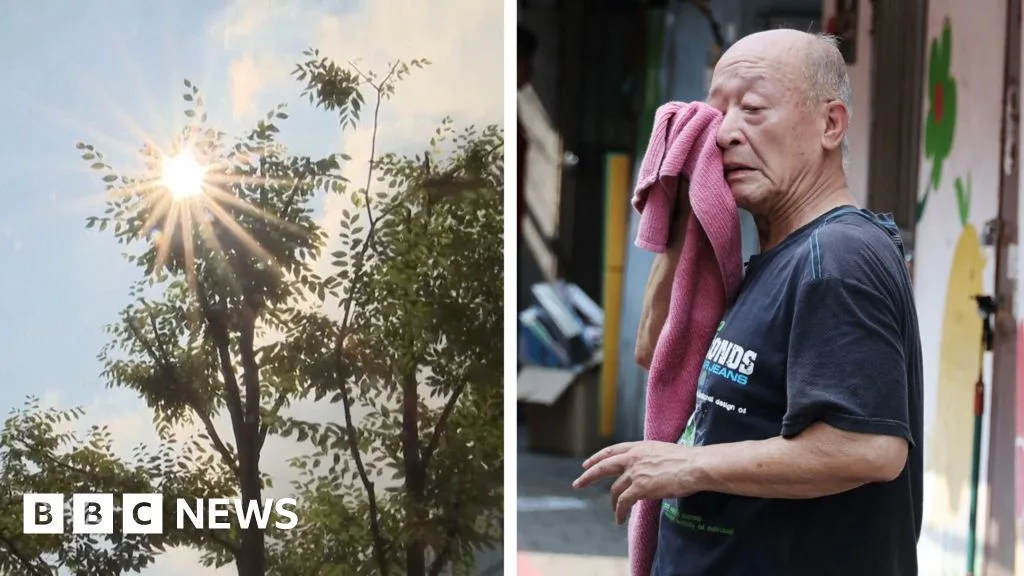
South Korea set a new highest-ever temperature record of 42.5°C in Yangsan on August 2 at 1:26 p.m., amid an intense heatwave that has swept the country since late July [1, 2, 3, 4, 5, 6, 7]. Yangsan experienced temperatures exceeding 40°C for five straight days through August 2, making it the epicenter of the heatwave [2, 3, 4, 5, 6, 7].
More than 20 localities were placed under emergency heatwave alerts, a new category introduced in 2026. Such alerts are triggered when perceived temperatures hit 38°C or actual temperatures reach 39°C for at least one day [2, 3, 4, 5, 6, 8, 9].
Seoul issued its first-ever "severe heatwave warning" on August 3 under the new system as the heat spread to the capital and western regions, with forecasts reaching 38-39°C and 'feels like' temperatures around 35°C [6, 7, 8, 9].
At least 19 to over 20 heatwave-related deaths have been reported nationwide by early August, with 1,889 heat-related illness cases recorded by mid-August [1, 7, 10, 11]. President Lee Jae Myung called for an all-out government response, mobilizing resources to protect vulnerable populations. In a cabinet meeting on August 4, with the death toll at 16, he said, "Extreme heat on a scale we have never experienced is continuing day after day. Heatwave conditions once seen only in foreign news reports have now become our reality," and on August 6 ordered full mobilization ahead of a forecasted peak near 39°C in Seoul [10, 11].
The Korea Meteorological Administration reported the average annual heatwave days in South Korea have more than doubled to 19 over the past five years, from just 8 days in the 1970s, linking the rising intensity to human-induced climate change and natural phenomena like El Niño [2, 3, 4, 5, 6, 8, 9].
The extreme heat has disrupted daily life and sports. South Korea’s professional baseball league canceled games in Changwon and Busan due to temperatures reaching 39.5°C and health risks. The Korea Baseball Organization said, "The decision was made with the safety and health of spectators and players as the top priority, as a severe heatwave warning remains in effect for the Changwon area." An office worker, Ju Dong-yeol, said: "It is too hot to be outside doing anything. I can't think of anything else to do other than stay in air-conditioned places like home, shopping malls and cafes." [4]
The heatwave has also deepened social inequalities in Seoul, as poorer districts lacking sufficient air conditioning suffer more from soaring temperatures [12].
The government continues to monitor conditions as further extreme temperatures are forecast. President Lee’s order to mobilize resources remains in effect amid ongoing heat, with concerns for vulnerable groups and public safety [11].