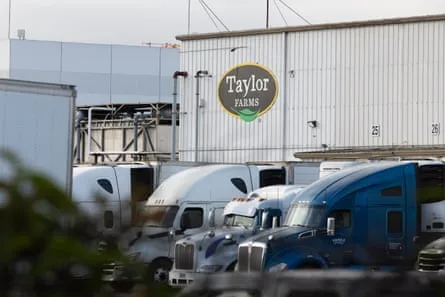
The 2026 cyclosporiasis outbreak in the US has spread to nine states: Illinois, Indiana, Kansas, Kentucky, Michigan, Ohio, Oklahoma, Pennsylvania, and West Virginia. The outbreak is linked mainly to shredded iceberg lettuce supplied by Taylor Farms de Mexico and served at Taco Bell restaurants [1, 2, 3, 4].
The Centers for Disease Control and Prevention (CDC) reported 4,173 laboratory-confirmed cases and is investigating an additional 7,400 suspected nationwide. In Michigan alone, probable cases reached 8,176 by July 24 [1, 2]. At least 1,947 people infected with cyclospora reported eating at Taco Bell locations in the nine affected states [2, 3]. There have been 98 hospitalizations, but no deaths so far [2, 3].
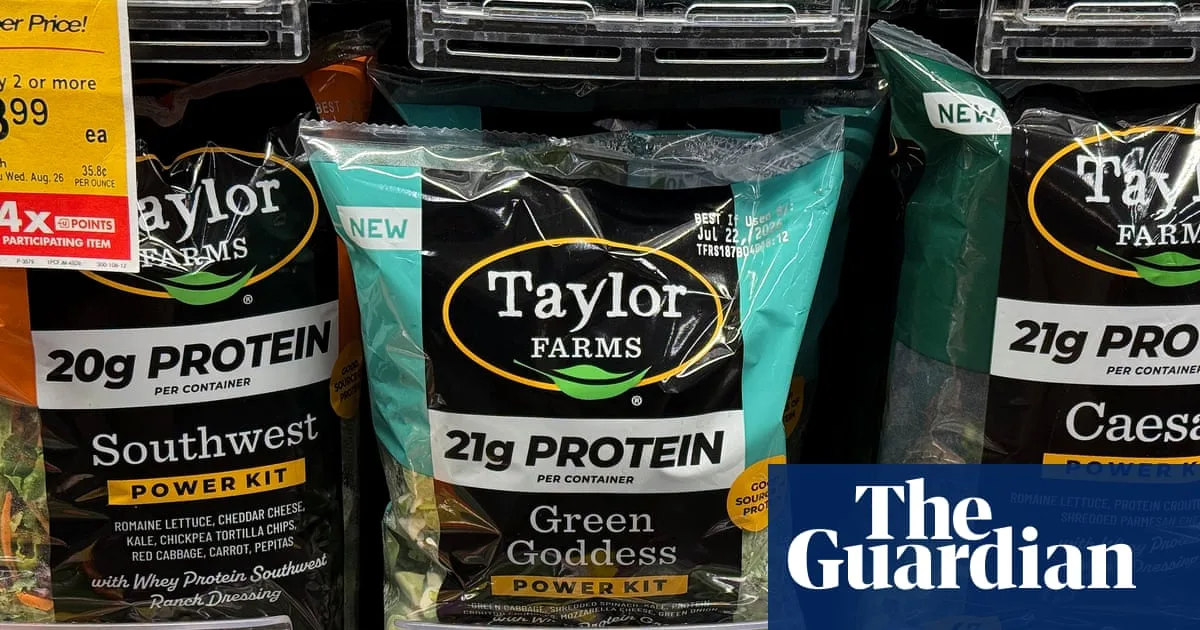
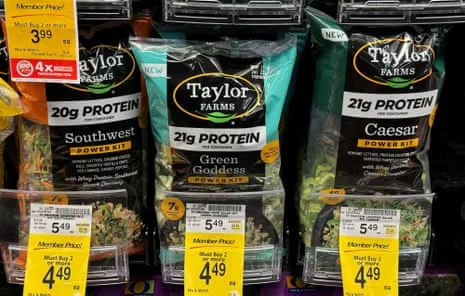
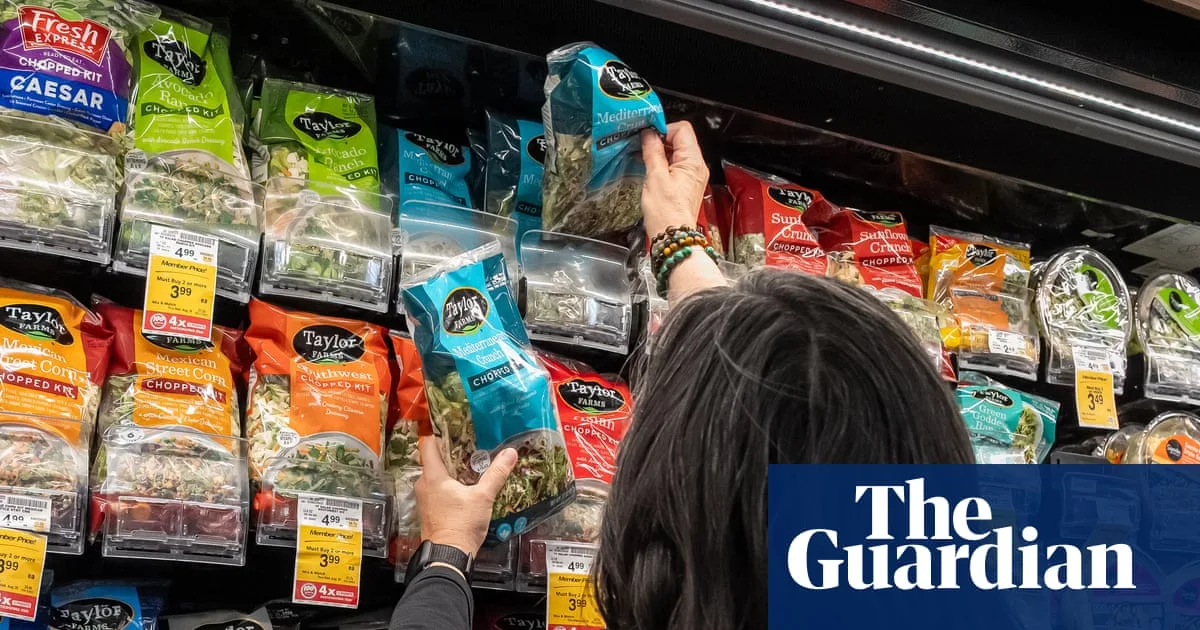
Taylor Farms issued a voluntary recall on July 17 for shredded iceberg lettuce sourced from their Guanajuato, Mexico plant. The Food and Drug Administration (FDA) and Taco Bell removed the implicated lettuce products from distribution [1, 2, 3]. Mexican health authorities tested samples from the Taylor Farms facility and found no cyclospora, though the FDA still considers the plant the likely source [3].
The outbreak started with cases showing symptoms as early as mid-May. Illnesses tied to the lettuce began appearing by June 22 [3]. On July 24, federal agencies announced the outbreak’s expansion to nine states [1, 2, 3, 4].
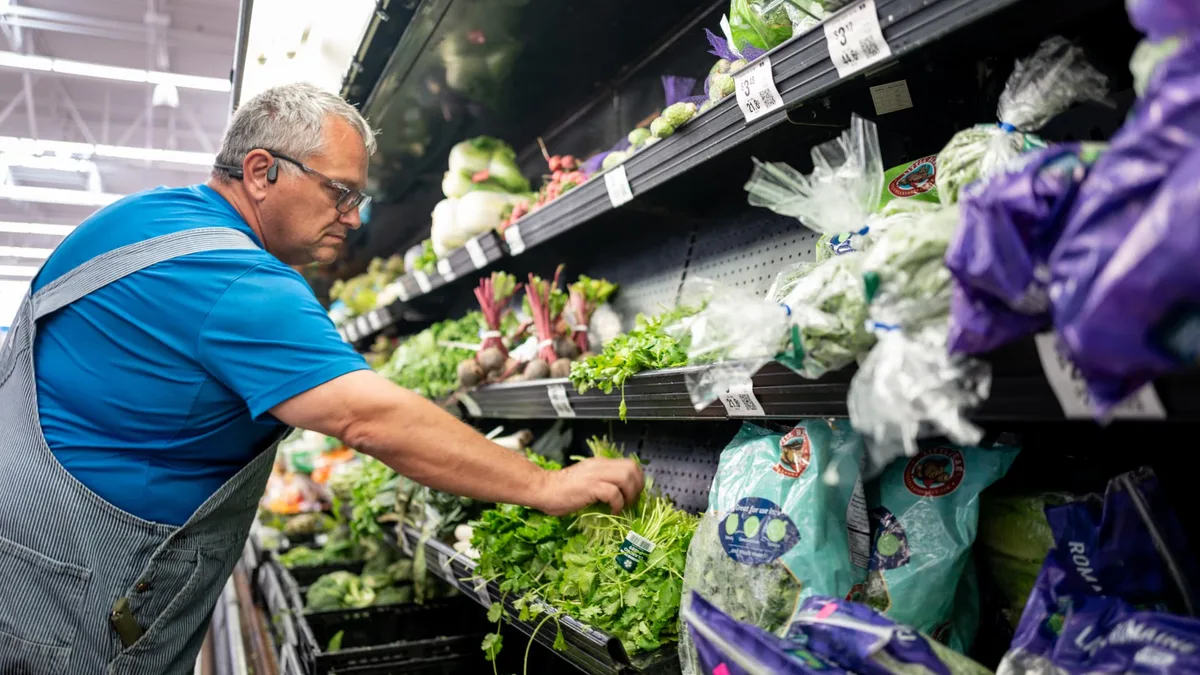
Besides the lettuce-linked cases, at least 41 states reported cyclosporiasis cases in 2026; not all are linked to the lettuce outbreak. The FDA and state officials are investigating 72 additional cases connected to unidentified food sources, including clusters associated with parsley, cilantro, and other produce [1, 5, 2].
Communication delays and FDA staffing cuts have complicated efforts to track and respond to the outbreak. Katelyn Jetelina, a science communicator, said, “The amount of cases we’re having right now is incredibly high ... The communication just continually is falling short, which is leaving all of us on the outside to put these puzzle pieces together” [5].
Public health experts warn the outbreak could persist if contaminated soil or water sources remain. Joshua Sharfstein, former FDA deputy commissioner, noted, “If there was a confined burst of contamination, the outbreak could end soon; but if the soil or water is still contaminated, then there’s a risk of ongoing contamination” [5].