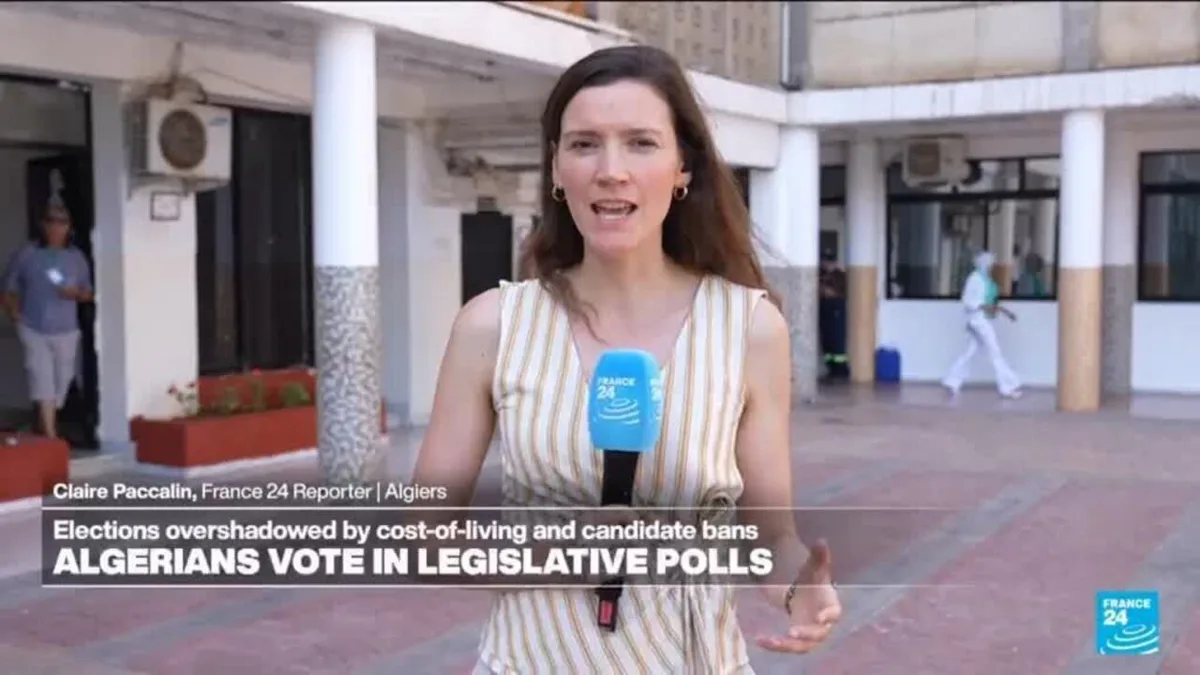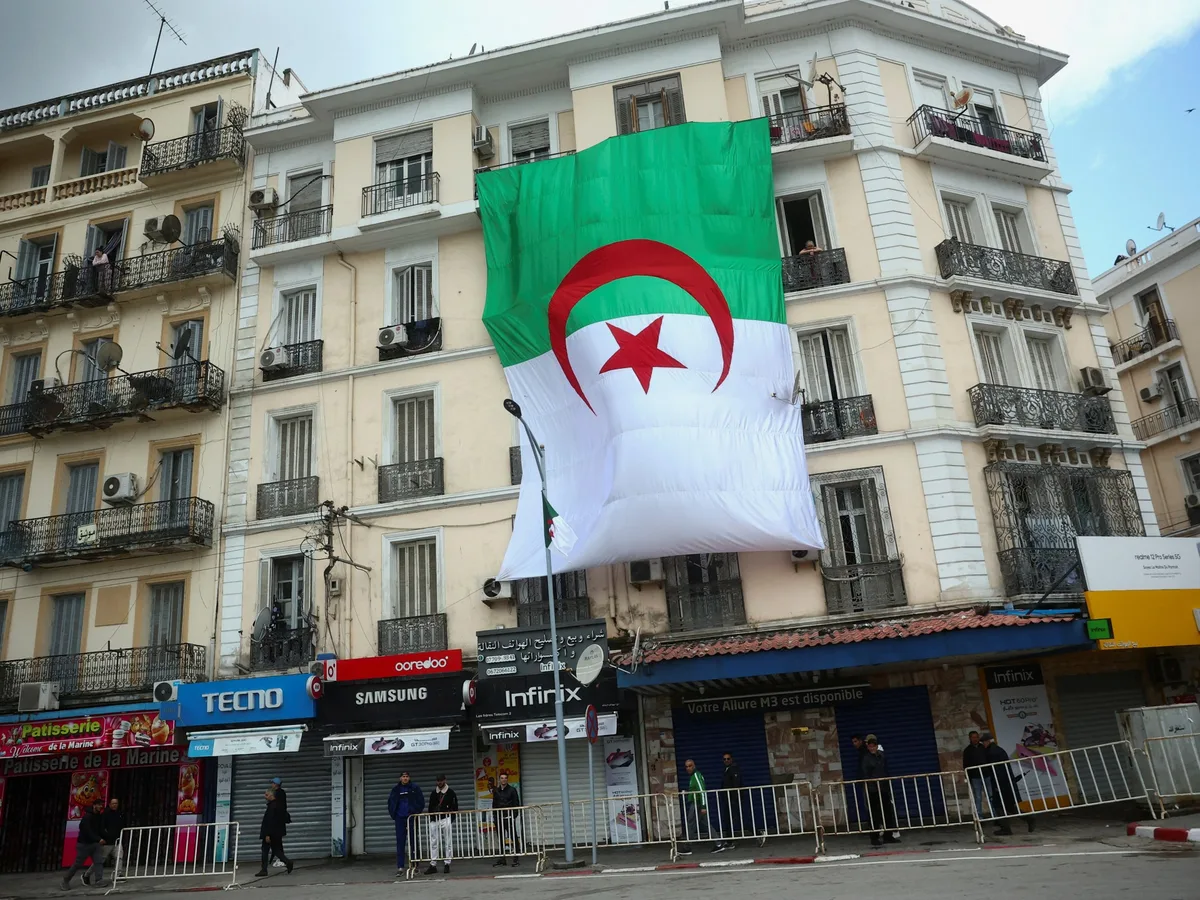
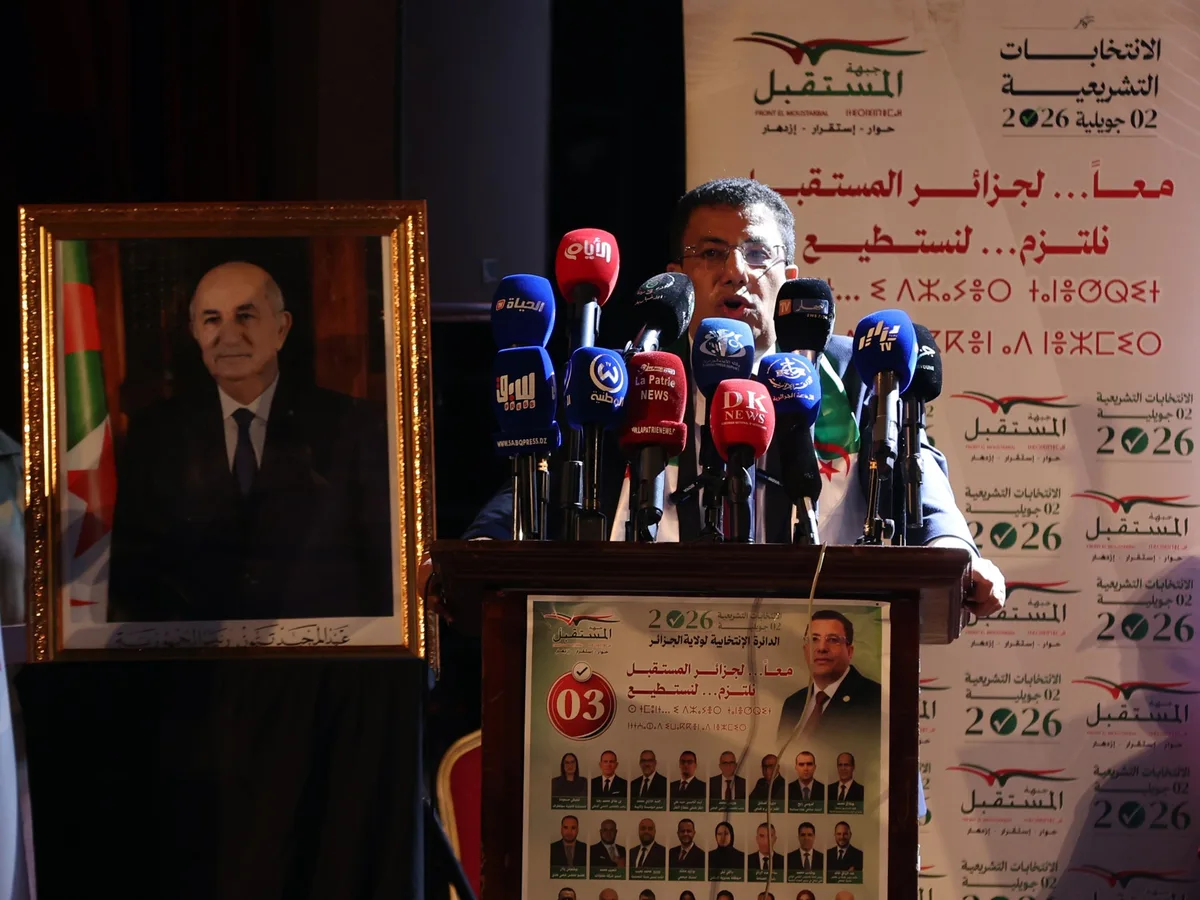
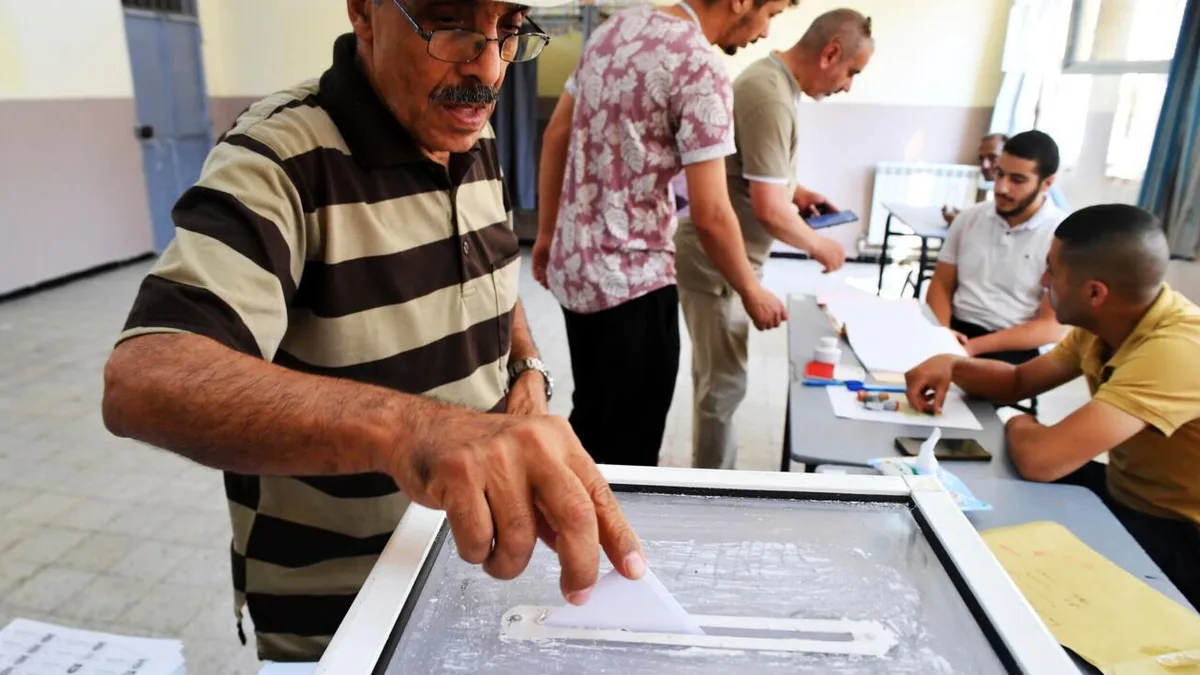
Algerians cast ballots on July 2, 2026, to elect 407 members to the People's National Assembly for a five-year term. [1, 2, 3, 4] About 24.7 million citizens were eligible to vote, including roughly 854,000 living abroad. [1, 2, 4] The government declared the day a paid national holiday in an effort to boost turnout. [4]
The election campaign saw widespread political disengagement and mistrust. Attendance at campaign events was low as many voters looked elsewhere for attention, including the 2026 FIFA World Cup and summer vacation, noted Robin Frisch from the Friedrich Ebert Foundation's Algiers office, who called the election “an important political event” despite the distraction. [1, 4]
Voter turnout was a significant concern following a historically low 23% turnout in the 2021 elections. [1, 2, 3] Analysts noted increased political fragmentation but limited pluralism, with many independent candidates running. Political scientist Rachid Ouaissa said the presence of many independents signals parts of society see parliament as a renewed political arena. [1]
The electoral system uses open-list proportional representation, letting voters select party lists and candidates. [2] However, restrictions on candidacies were tight. Over 3,700 prospective candidates were barred from running; about 10,000 were approved, according to Karim Khalfane, interim head of the national elections authority ANIE. [3]
Authorities specifically banned 269 candidates, citing suspicious financial ties and illicit activities. These bans affected members of major parties such as the FLN, RND, MSP, and former activists from the 2019 Hirak movement. [3, 4] Louisa Hanoune, secretary-general of the Workers’ Party, criticized the legal basis for bans as vague and open to wide interpretation. [3]
President Abdelmadjid Tebboune, reelected in 2024, framed the elections as part of building a “new Algeria” and reinforcing institutional legitimacy, praising the Hirak movement for preventing collapse. [1, 2, 4] Opposition voices like activist Karim Tabbou noted political space has shrunk, with increased scrutiny on dissent since 2019. [2]
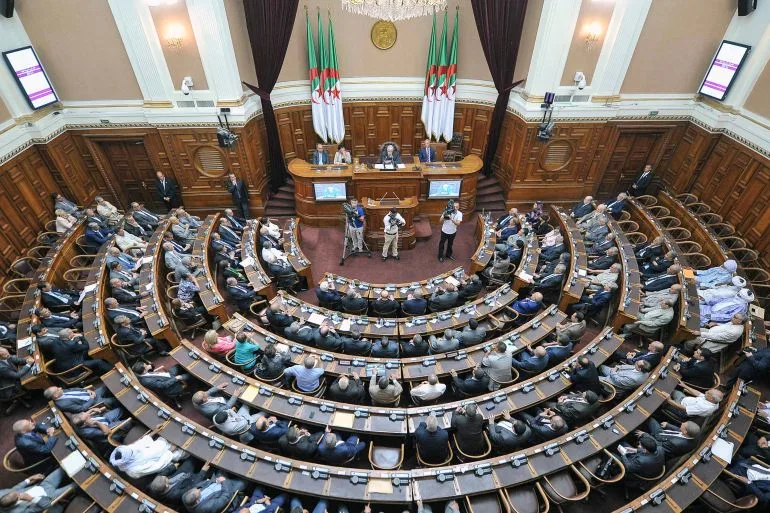
The outgoing parliament was fragmented, with the National Liberation Front (FLN) holding 105 of 407 seats and the Islamist MSP party 64 seats, though legislative power remains constrained by the presidency and security forces. [2, 3, 4]
Security and logistical measures included early voting for nomadic populations in southern Algeria. [4]
The next parliamentary elections are scheduled in five years, with the newly elected members starting their terms following official certification of results.
![The national flag of Algeria hangs outside a building in Annaba, Algeria [Guglielmo Mangiapane/Reuters]](/uploads/2026/07/01/11b887f0c530229874125679.webp)