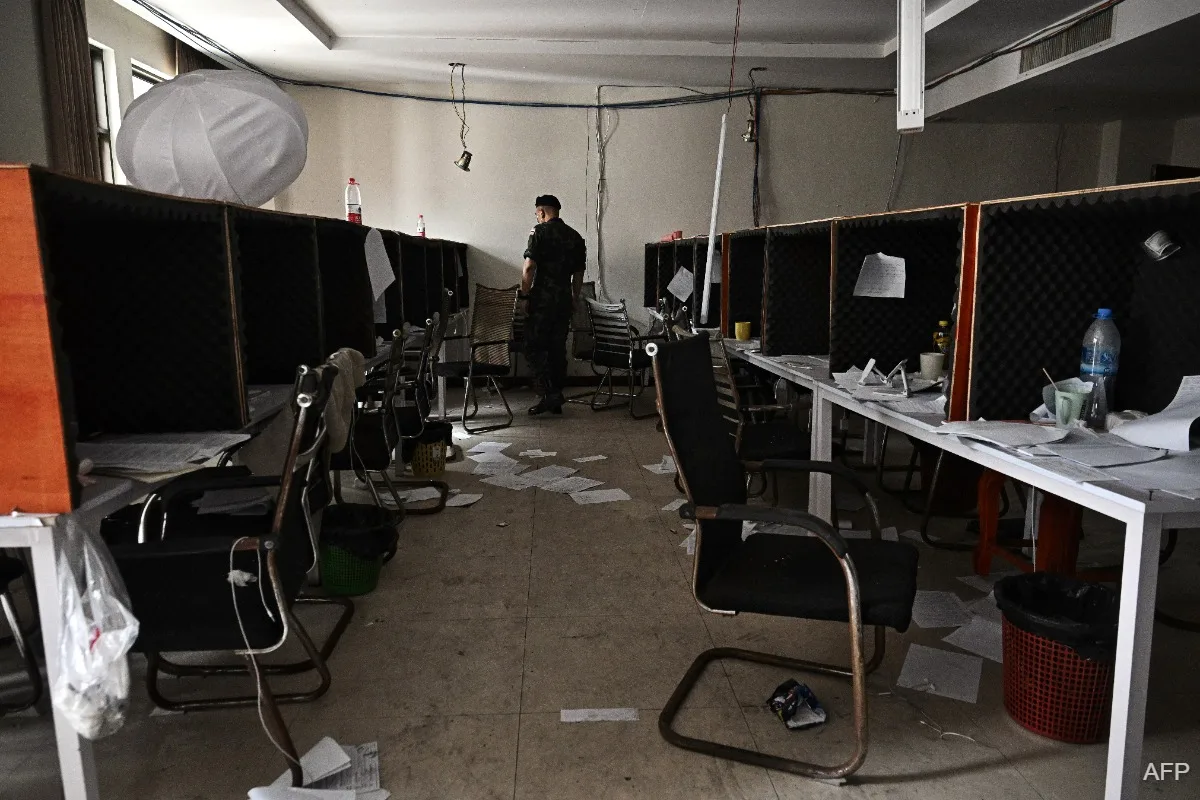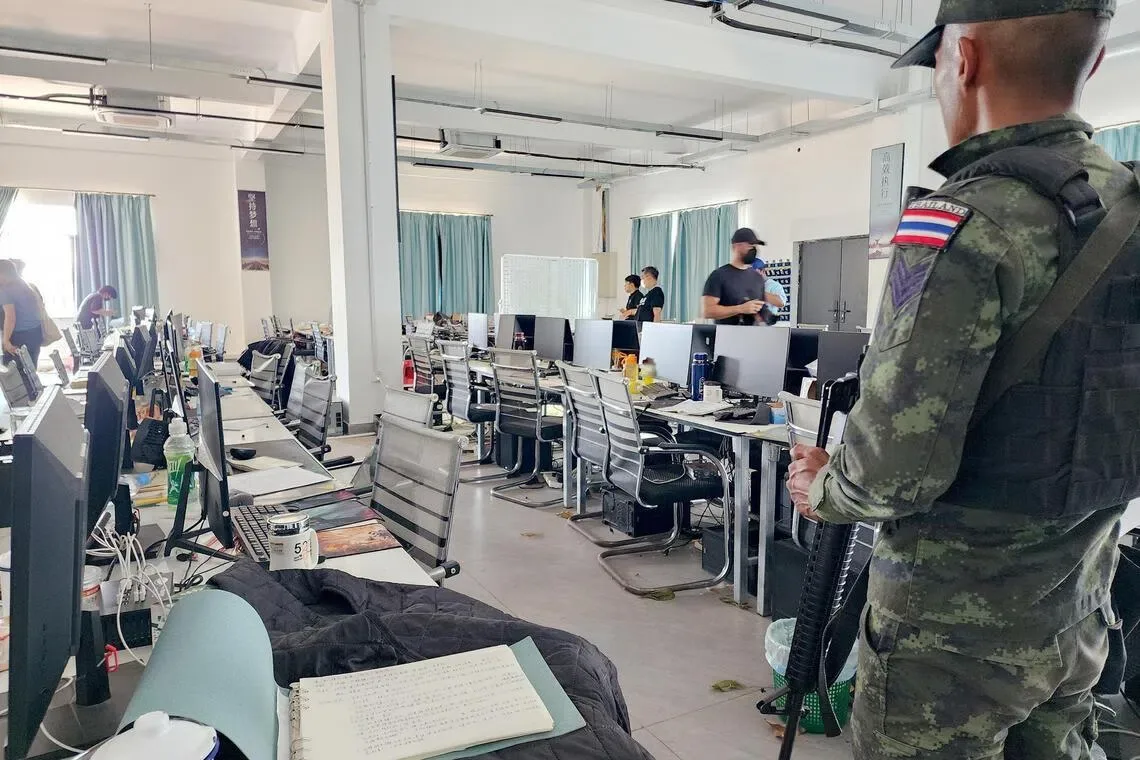
Cambodia had 86 active online scam compounds as of April 2026, up from 53 a year earlier, according to government and independent monitoring sources [1, 2, 3, 4]. The Cambodian government claimed to have taken action against more than 250 centres nationwide and reported thousands of arrests, prosecutions, and deportations related to the crackdown [1, 2, 3, 4]. Senior Minister Chhay Sinarith stated in February 2026 that online scam activity had been cut by half and was expected to be resolved by April [1, 2, 3, 4].
However, evidence of actual state intervention was found at only 24 scam compounds during the campaign [1, 2, 4]. Amnesty International sharply criticized the crackdown in a report released June 8, 2026, saying, "Cambodia’s crackdown has failed in key areas, both in investigating and shuttering some of the most well-known compounds across the country and in protecting and assisting the victims who escaped" [1]. Julia Dickson of the Center for Strategic and International Studies called much of the effort "quite performative," suggesting authorities tipped off key figures ahead of raids and failed to dismantle the major operators [2].
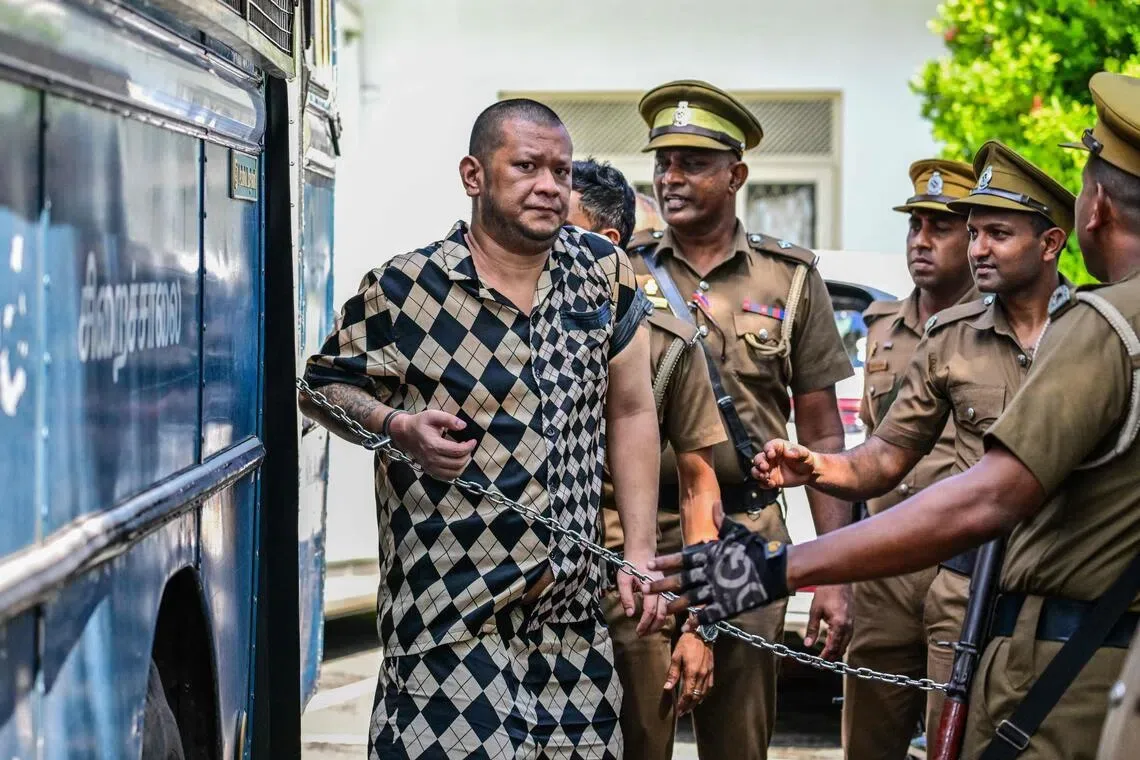
The online scam industry in Southeast Asia generates billions of dollars annually and depends on trafficked workers often forced into fraud schemes [1, 2, 3]. Some operators are relocating to Sri Lanka, shifting from large compounds to smaller locations such as beach resorts and office buildings [5, 6]. Sri Lankan police arrested more than 1,000 people linked to scam operations in 2026, including raids in April on a west coast property with over 150 foreign nationals and a Colombo apartment building arresting 120 more [5, 6].
Sri Lanka attracts scammers with visa-free travel, available buildings, strong telecoms, and informal money transfer systems [5, 6]. Some scam workers in Sri Lanka may be escapees from Southeast Asia’s centres, using their skills to continue fraudulent activities [5, 6]. Sri Lanka’s Assistant Police Superintendent Fredrick Wootler said police, immigration, and central bank authorities are working collectively to control the problem, though investigative reporters note challenges in law enforcement as many operate on tourist visas [5].
The Cambodian crackdown’s next phase is expected to continue this year amid conflicting assessments of its impact. The Amnesty International report and monitoring data through April 2026 highlight persistent challenges in ending the scam operations. [1, 2, 3, 4]