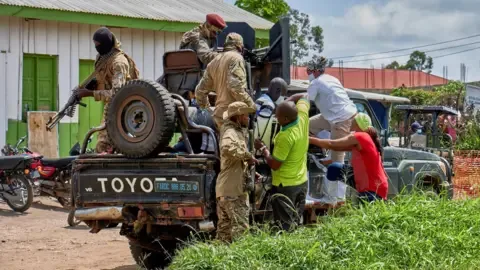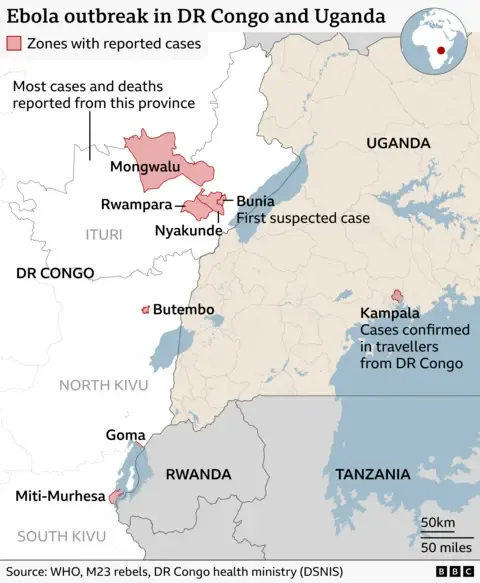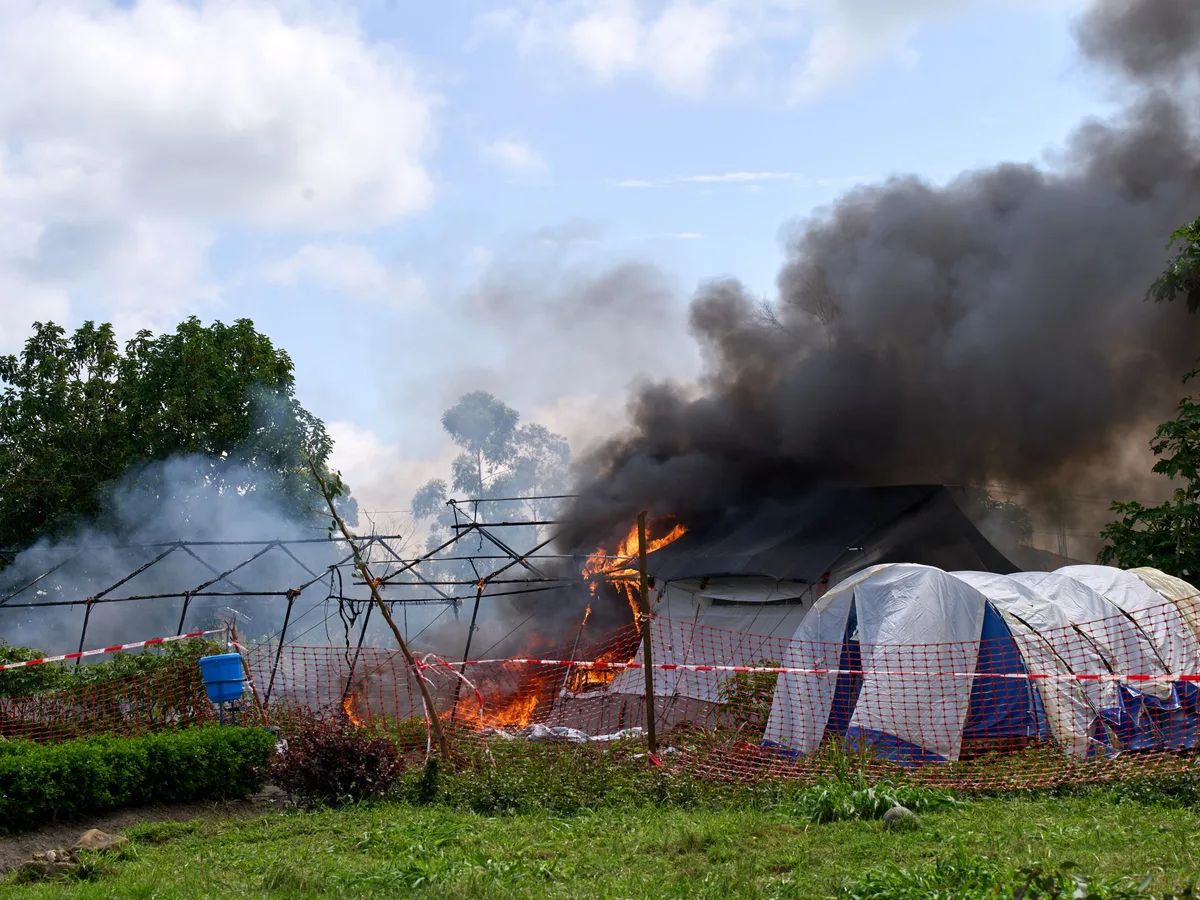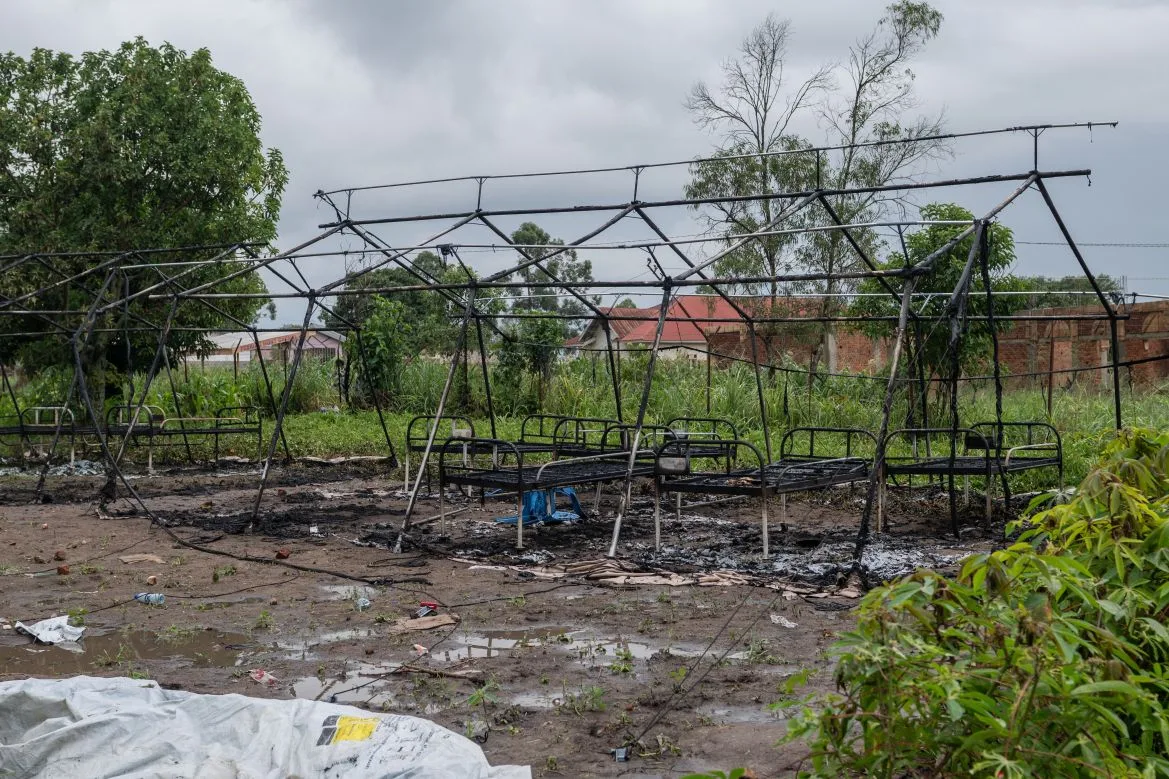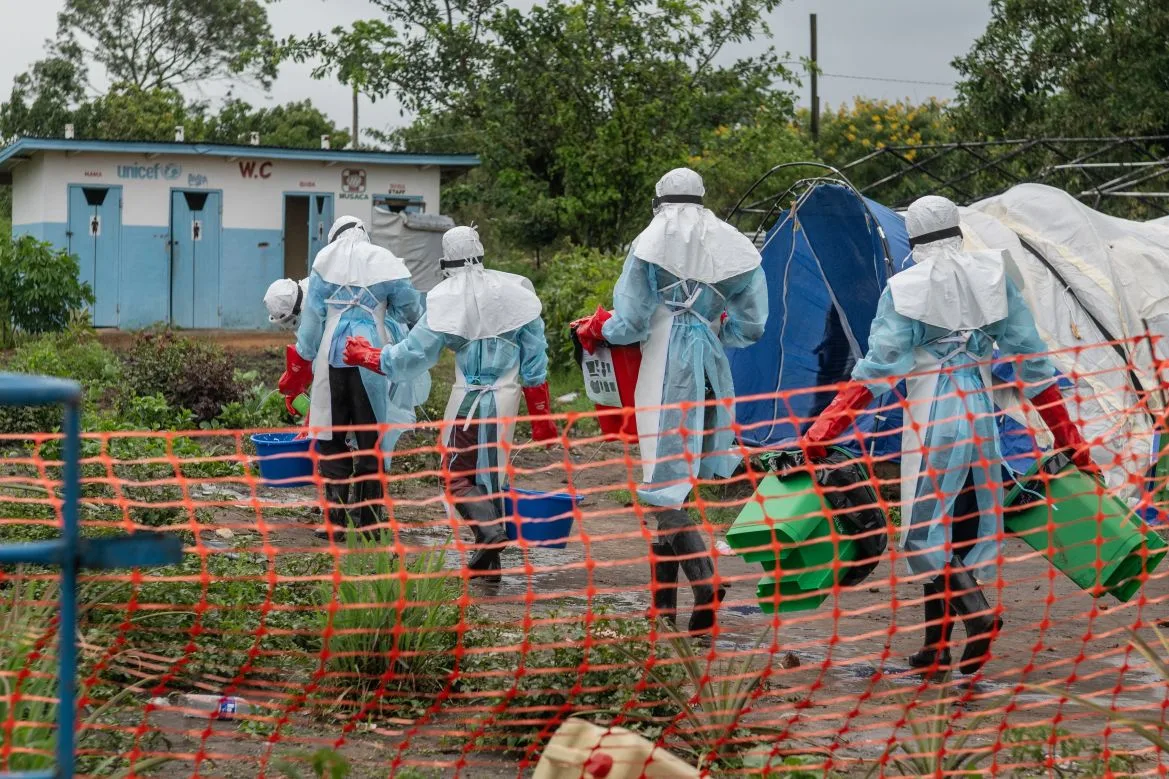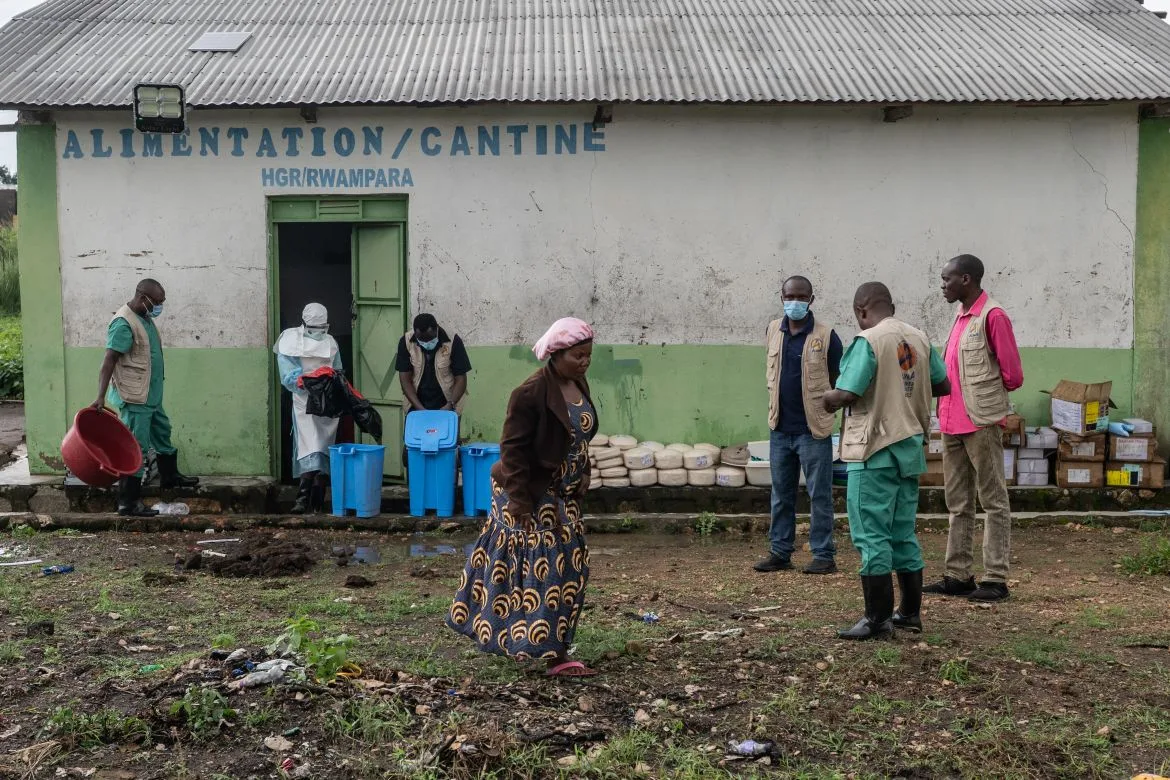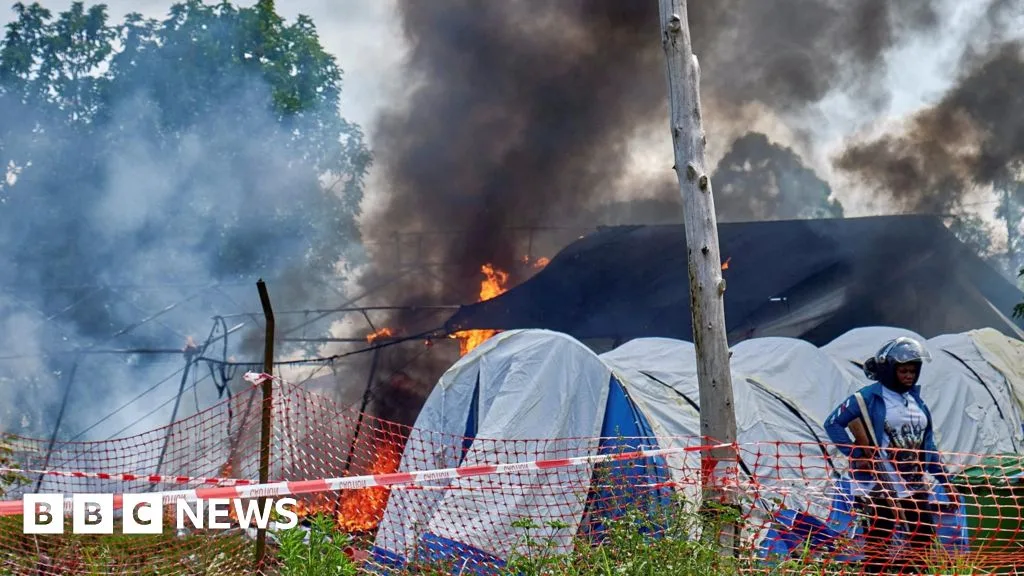
An angry crowd attacked and set fire to two Ebola isolation tents at Rwampara General Hospital in Ituri province, eastern DR Congo, on May 21 or 22 after families were denied access to the body of a young man believed to have died from Ebola for burial [1, 2, 3, 4]. The victim was a popular local figure, described as a footballer by some, but his mother argued he died of typhoid fever rather than Ebola, fueling tensions [1, 2, 3].
Protesters rejected official Ebola diagnosis and accused health workers and NGOs of fabricating the outbreak for profit. "They believe it is the NGOs and hospitals creating this to make money, and this is tragic," said Luc Malembe Malembe, a local politician [1]. The crowd threw stones, injuring at least one healthcare worker [1, 4]. Police fired warning shots and used tear gas to disperse the mob during the attack [1, 4].
The body of the deceased was also burned during the incident. Authorities said all bodies must be buried following strict Ebola safe burial protocols to prevent infection, but local customs clashed with these measures, intensifying mistrust and anger [1, 2, 3]. "All bodies must be buried according to the regulations," stated Jean Claude Mukendi, Deputy Senior Commissioner in Ituri [3]. Alexis Burata, a local student, said, "The police intervened to try to calm the situation but unfortunately they were unsuccessful. The young people ended up setting fire to the centre" [2].
Ebola was officially declared in Ituri province on May 15 and has since spread to North Kivu and South Kivu provinces. The outbreak, caused by the Bundibugyo strain, was designated a global public health emergency by WHO on May 17 [4]. Authorities report about 600 suspected cases and 139 probable deaths [4].
Specialized teams conduct safe burials because Ebola bodies are highly infectious, a practice that often conflicts with local funeral customs and contributes to community resistance [1, 2, 3]. Aid workers fled the centre during the attack but resumed operations after calm returned [3].
Jean Kaseya, director general of Africa CDC, pledged ongoing support to bolster the epidemic response. "We have highly motivated teams in place, with expertise, and we will strengthen them to manage this epidemic," he said [4].