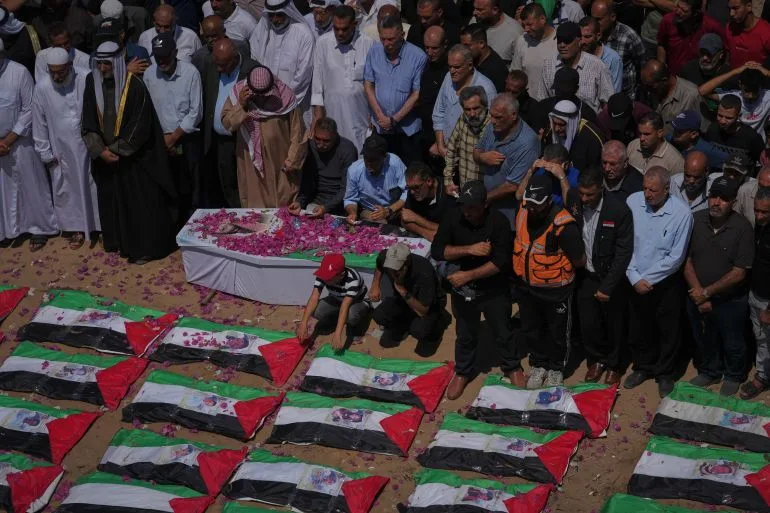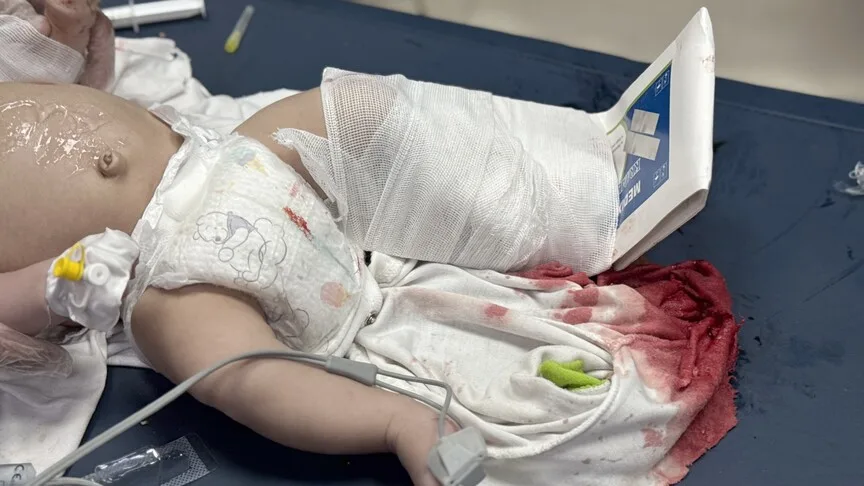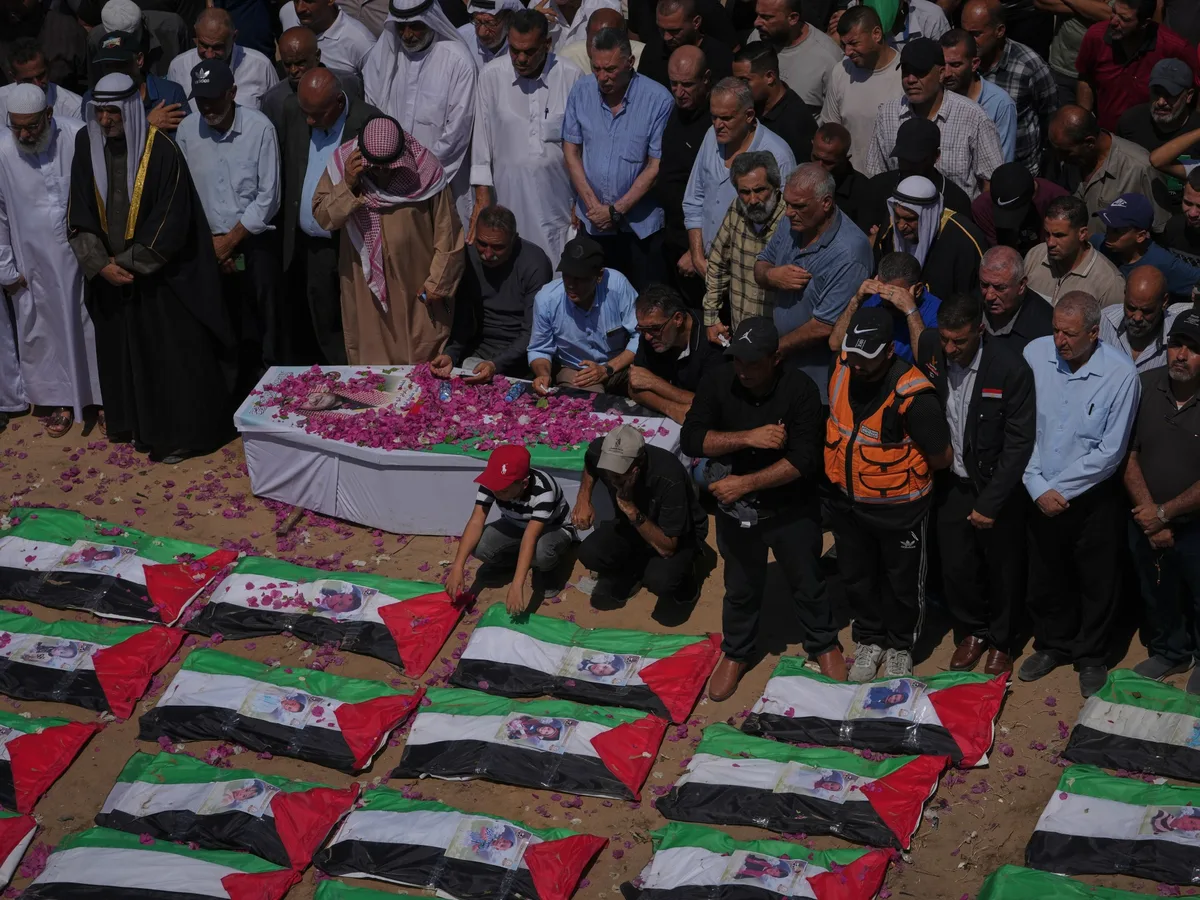
At least 300 children have been killed in Gaza in the roughly 300 days since a ceasefire was announced on October 10, 2025, according to multiple sources [1, 2, 3]. Despite the ceasefire, an average of one child has died every day during this period [1, 2, 3]. Hundreds more children have been severely injured amid ongoing violence and hardship [1, 2, 3].
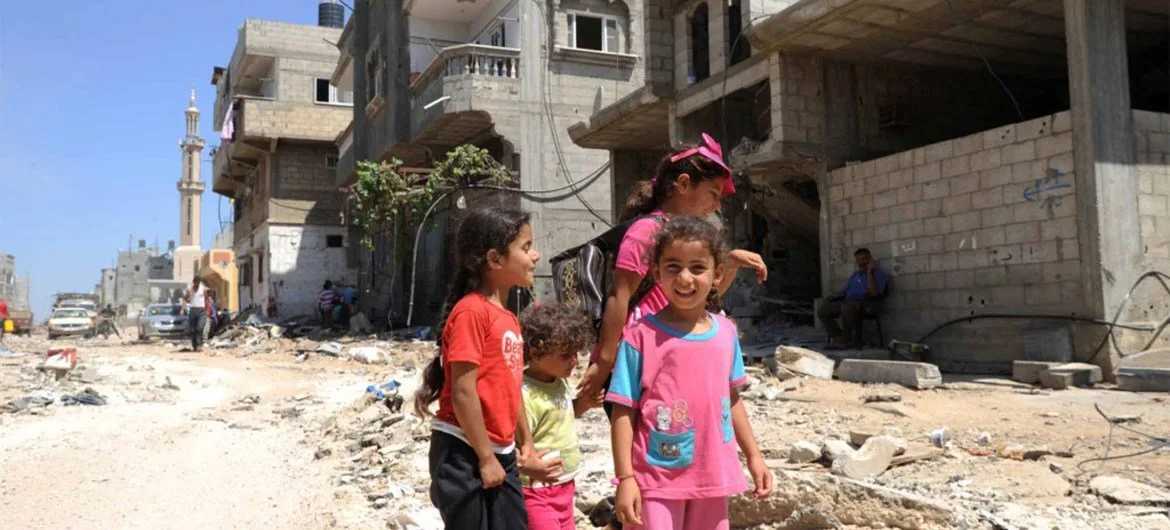
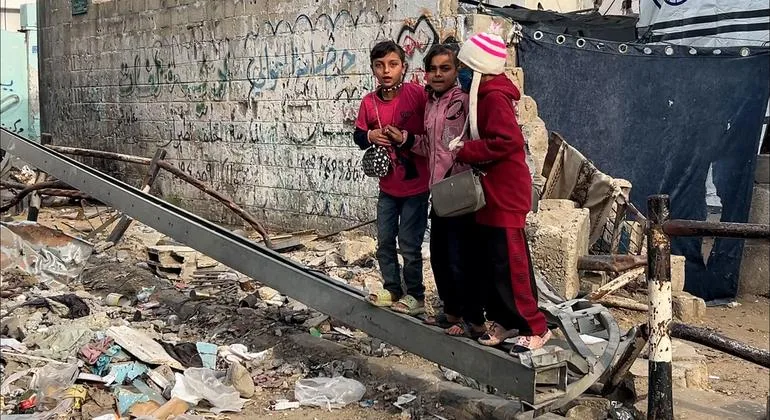
Families in Gaza remain confined to about one-third of the territory, sheltering amid destroyed buildings, rubble, and waste [1, 2, 3]. Children face severe humanitarian crises including acute malnutrition, disease outbreaks, unsafe drinking water, and damaged sanitation infrastructure [1, 2, 3]. Hospitals and medical resources are under severe strain, with some lacking critical equipment such as incubators, forcing premature newborns to share scarce devices [2].
One recent example of the violence occurred on August 2, 2026, when an airstrike in western Gaza City killed a pregnant woman, her husband, and their five-year-old son. The remains of the unborn baby were recovered after the attack [2].
UNICEF has issued a roadmap for the next phase of the ceasefire, demanding an end to hostilities and an expansion of humanitarian aid [1, 3]. Edouard Beigbeder, UNICEF Regional Director for the Middle East and North Africa, said, "A ceasefire that leaves an average of one child dead each and every day is failing children. Children in Gaza are still waiting for the end to the violence they were promised" [2]. He added, "For children in Gaza, the test is simple: Does the killing stop? Does aid reach them at scale? Do hospitals reopen and water flow? Will children return to school safely in September?" [3].
UNICEF has urged all parties to comply with international humanitarian and human rights law in order to protect children and ensure access to healthcare, education, food, and safe water [1, 3]. Beigbeder emphasized that "Children have heard promises before. This time, agreements must translate into action" [3].
The ceasefire began on October 10, 2025, but ongoing violence and humanitarian challenges continue to put children at severe risk [1, 2, 3]. UNICEF's call to reopen hospitals, restore water supply, and enable a safe return to school is timed ahead of the planned school reopening in September [1, 3].