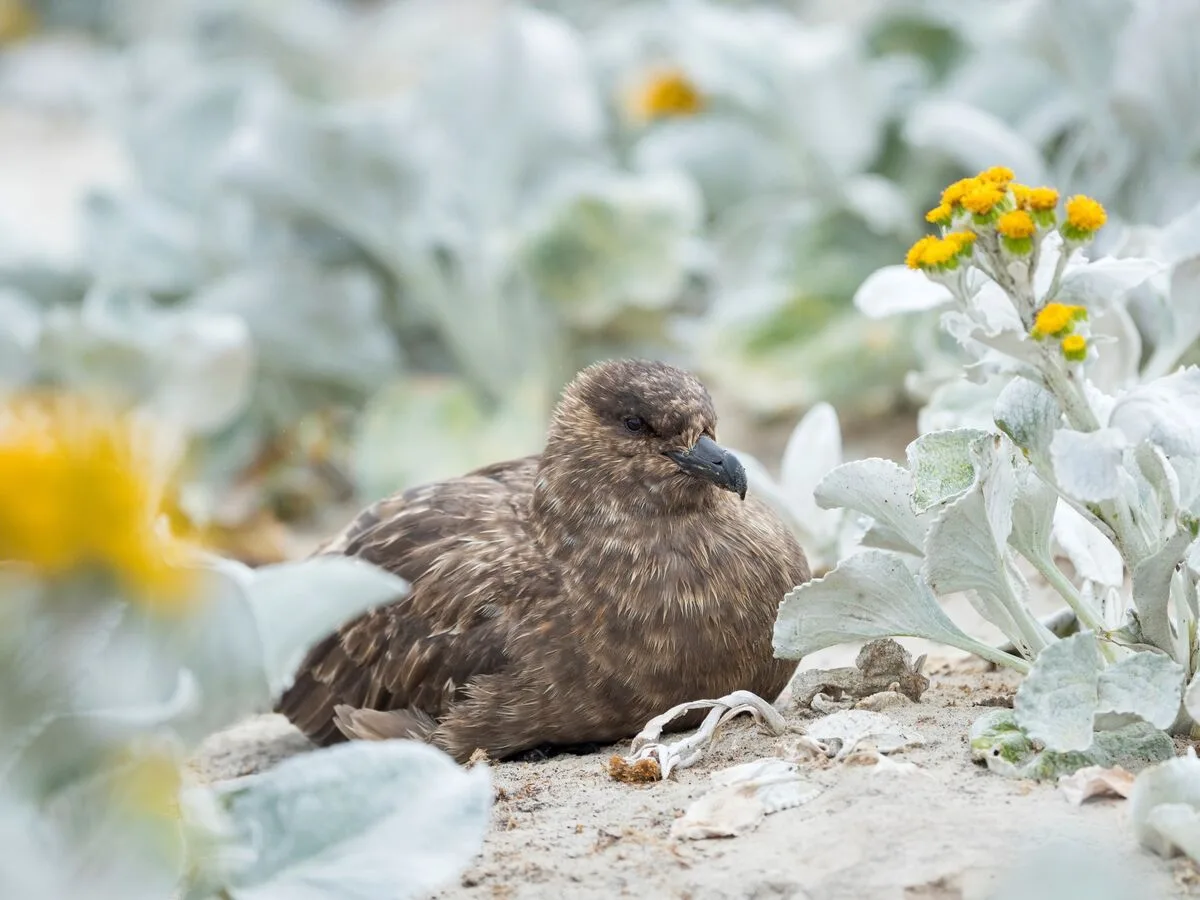
Australia confirmed its first mainland cases of the highly pathogenic H5N1 bird flu strain in migratory seabirds in Western Australia. The initial confirmed case was a brown skua found sick and later dead near Esperance, approximately 570 kilometers southeast of Perth, with confirmation announced on June 20 [1, 2, 3, 4, 5, 6]. A second confirmed case involved a northern giant petrel found sick near Esperance, confirmed on June 22 [3, 5, 6, 7, 8]. Authorities suspect additional cases involving southern giant petrels in Western Australia and South Australia [9, 7, 10].
The Australian government has reported no evidence of infection or spread in commercial poultry farms. Agriculture Minister Julie Collins said, "There is no evidence of any mass mortalities at this time, nor is there any evidence of infection in any poultry" [1, 2, 3, 4, 11, 9, 5, 6, 8]. However, poultry farms in Western Australia have imposed a lockdown as a precaution following the detections in wild birds [9, 5, 6]. Collins also said authorities are working closely with the poultry industry to improve biosecurity to prevent spread into production systems [5].
Australia was the last continent previously free from confirmed mainland H5N1 bird flu before these cases. Prime Minister Anthony Albanese said the government is focused on limiting spread and has made extensive preparations. "We have prepared for it," he said [2, 3, 4, 11, 7, 8, 3]. The government has invested AUD 113 million to prepare for a potential H5 bird flu outbreak, including increased surveillance, testing, improved farm biosecurity, vaccination of vulnerable species, and simulation exercises [3, 9, 5, 6, 7, 8].
The H5N1 strain has caused millions of bird deaths worldwide and has spilled over into some mammals, including more than 13,000 elephant seal pups on sub-Antarctic Heard Island [3, 4, 11, 9, 5, 8]. Neighboring Papua New Guinea suspended all poultry imports from Australia following confirmation of the mainland cases, citing concerns about the outbreak [8].
Surveillance efforts in Western Australia have included testing 11 samples from 94 reports of sick or dead birds over three days [7, 8]. South Australia confirmed a positive H5N1 case in a giant petrel on June 24 and encouraged the public to report any sick or dead bird sightings. Premier Peter Malinauskas said, "It’s very, very important now that we have received a positive result from South Australia, that people are very aware that they can report any signs of bird life that is unwell or dead" [7, 8, 10]. Primary Industries Minister Claire Scriven added, "We hope this doesn’t get to South Australia, but we know, of course, that it may" [7].
The last key development came on June 24 with further surveillance and testing underway following multiple suspect and confirmed cases in both Western and South Australia [7, 8, 10]. Authorities continue to monitor wild bird populations and maintain strict biosecurity on poultry farms as precautionary measures.