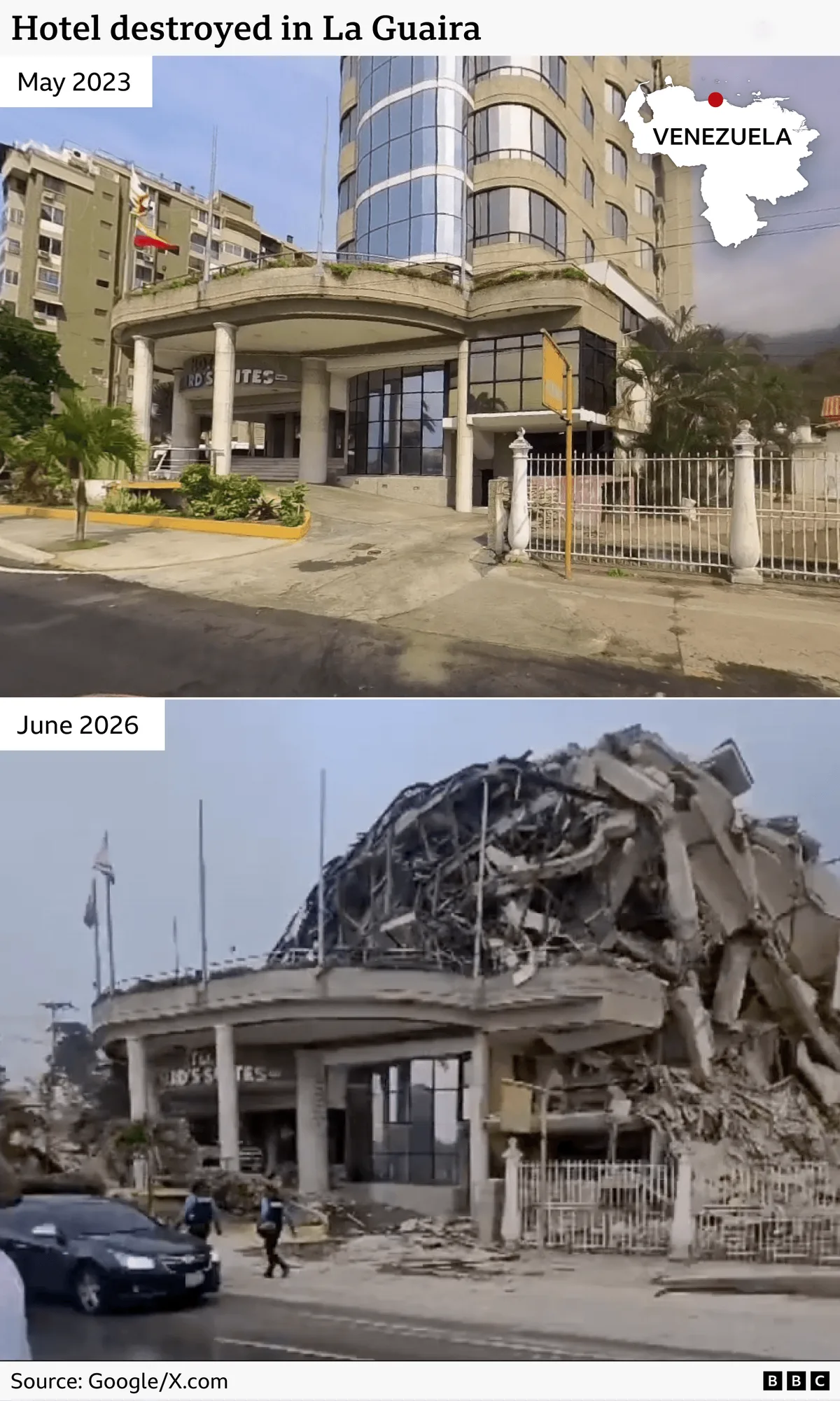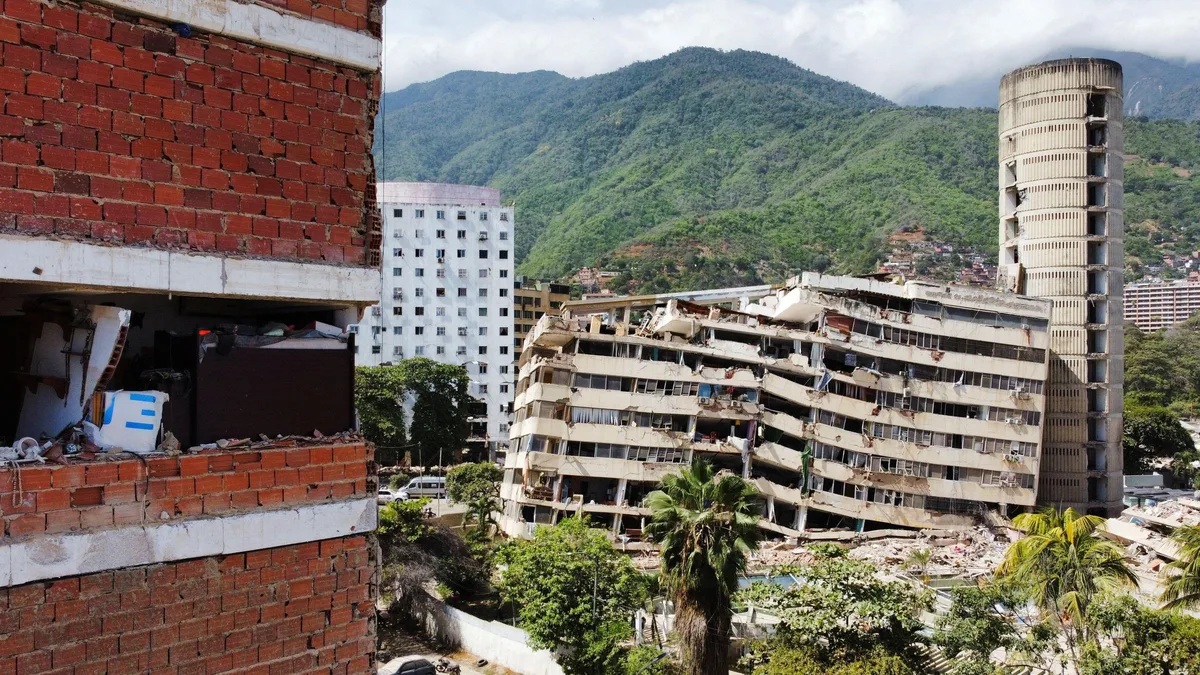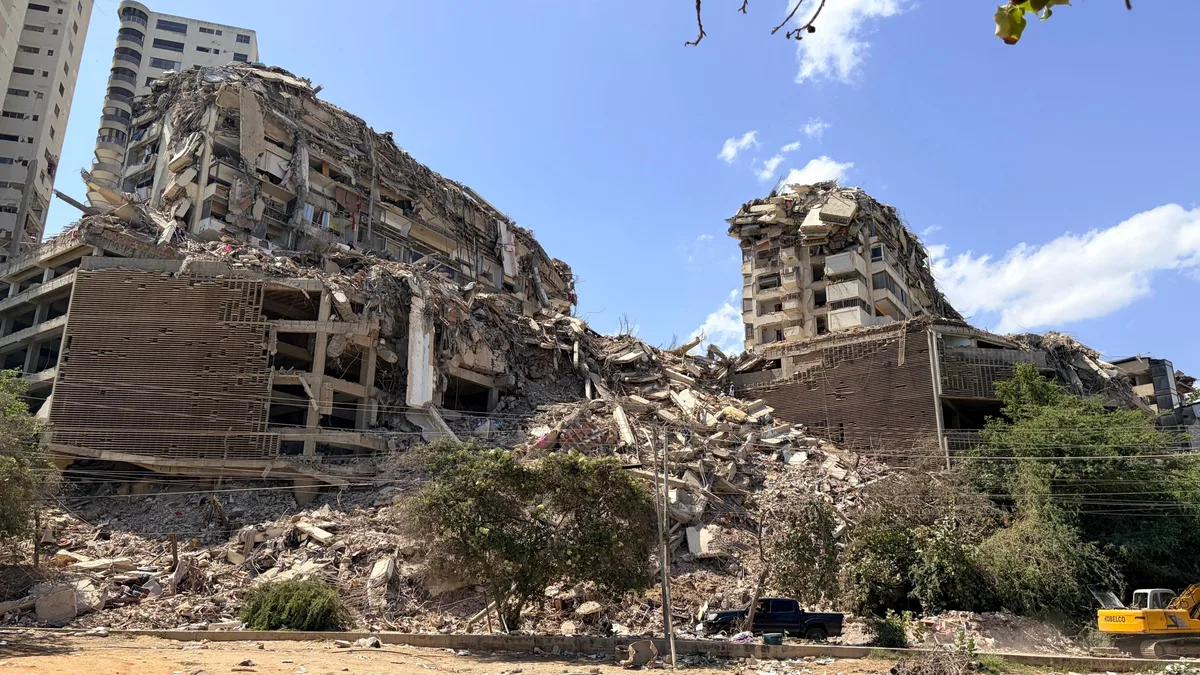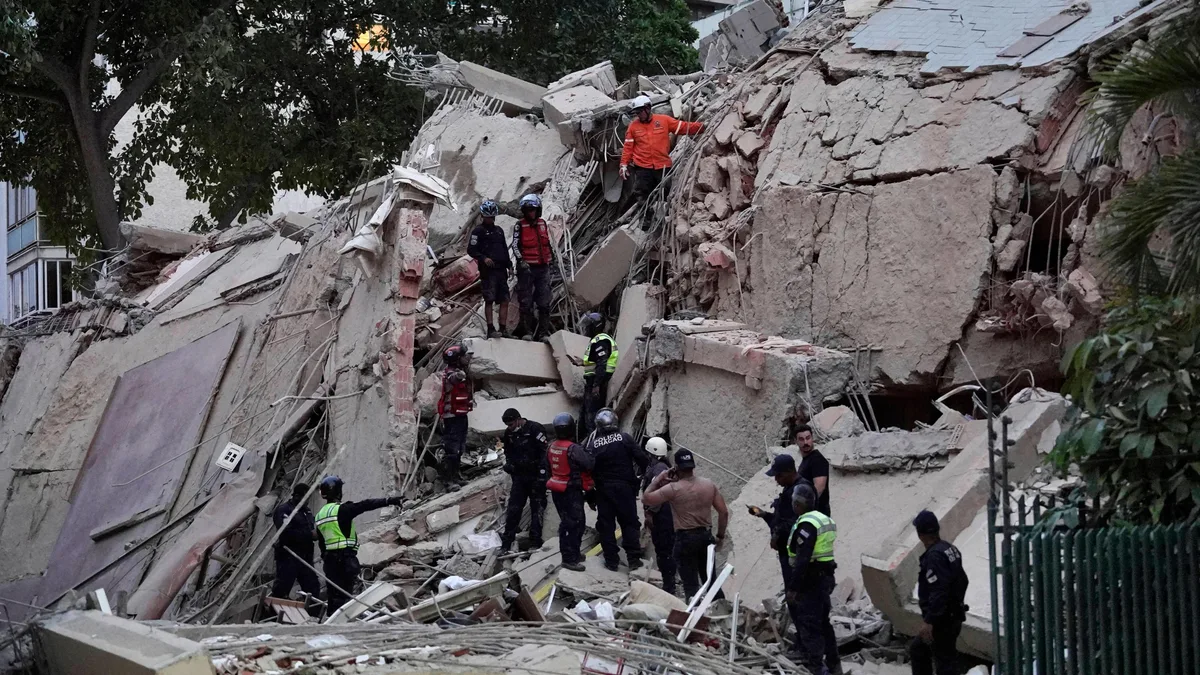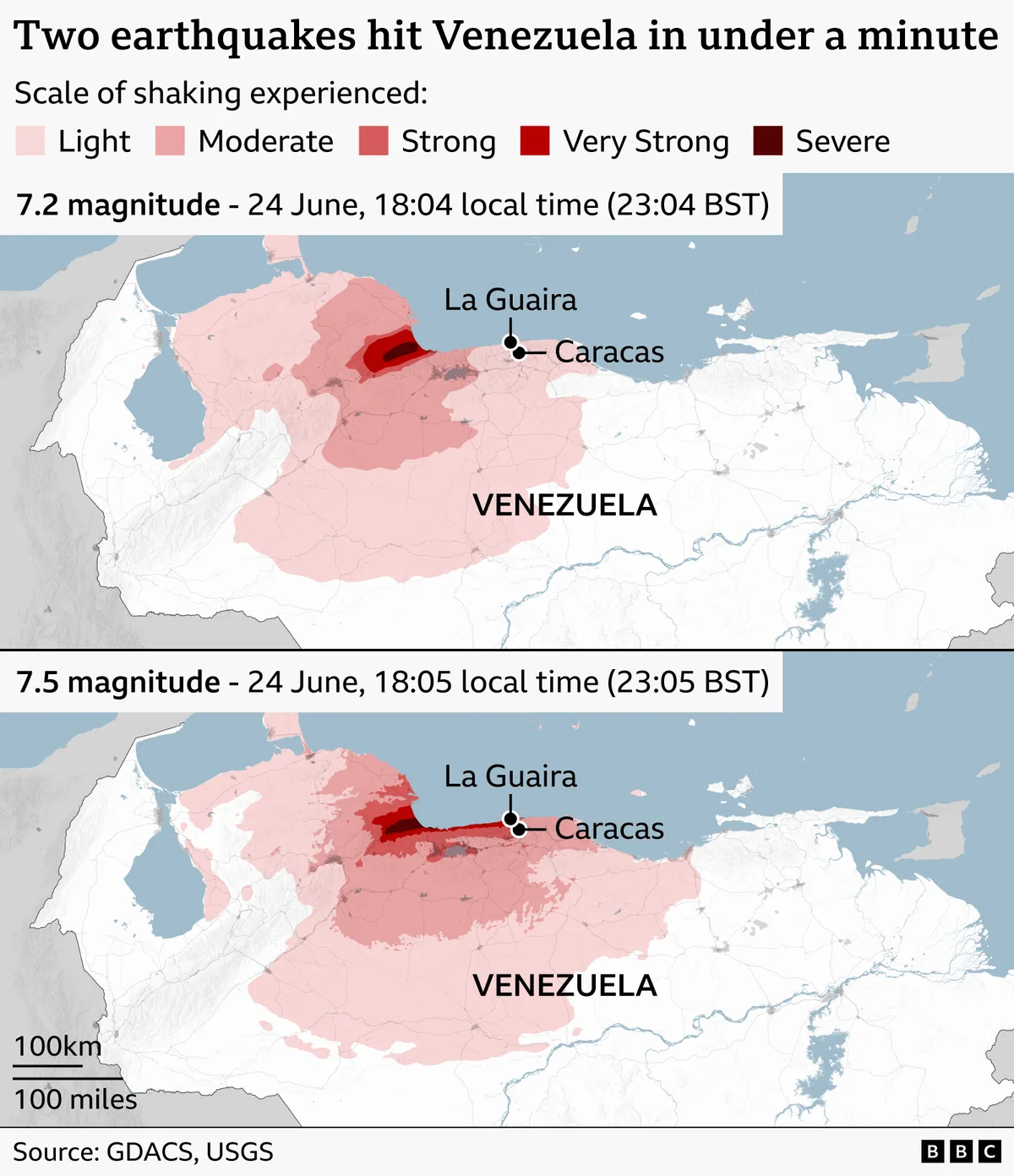
Two major earthquakes hit Venezuela near the capital Caracas on June 24, 2026, seconds apart, registering magnitudes of 7.2 and 7.5, respectively [1, 2, 3, 4, 5, 6]. The quakes struck at 18:04 local time (22:04 GMT) on a national holiday commemorating the Battle of Carabobo [3, 5].
Buildings collapsed across the region, including more than 250 structures damaged or destroyed, such as multi-storey buildings, hospitals, and shopping centers [5, 6]. The main international airport in Maiquetía sustained damage, and power lines were knocked down, plunging many areas into darkness [1, 2, 5, 6]. The quakes were shallow, with depths of 20.3 km and 10 km, amplifying surface destruction [5].
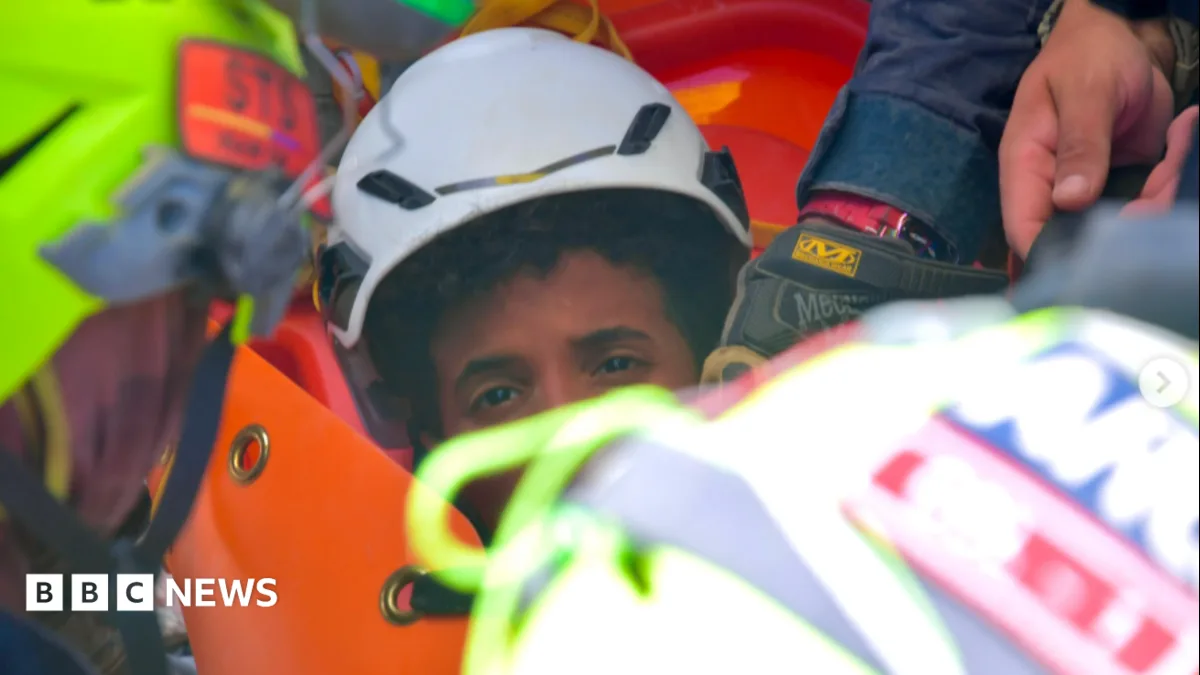
Caracas and the coastal city of La Guaira north of the capital were the hardest hit [5, 7, 6]. Residents described the experience as terrifying. Journalist Nicole Kolster said, "It's the strongest quake I've ever felt in my life. It was so strong that I thought the building was going to fall on top of me" [3]. Survivor Graciela Mora recalled, "I held my friend's hand while waiting to be rescued so she would not have to die alone" [8].
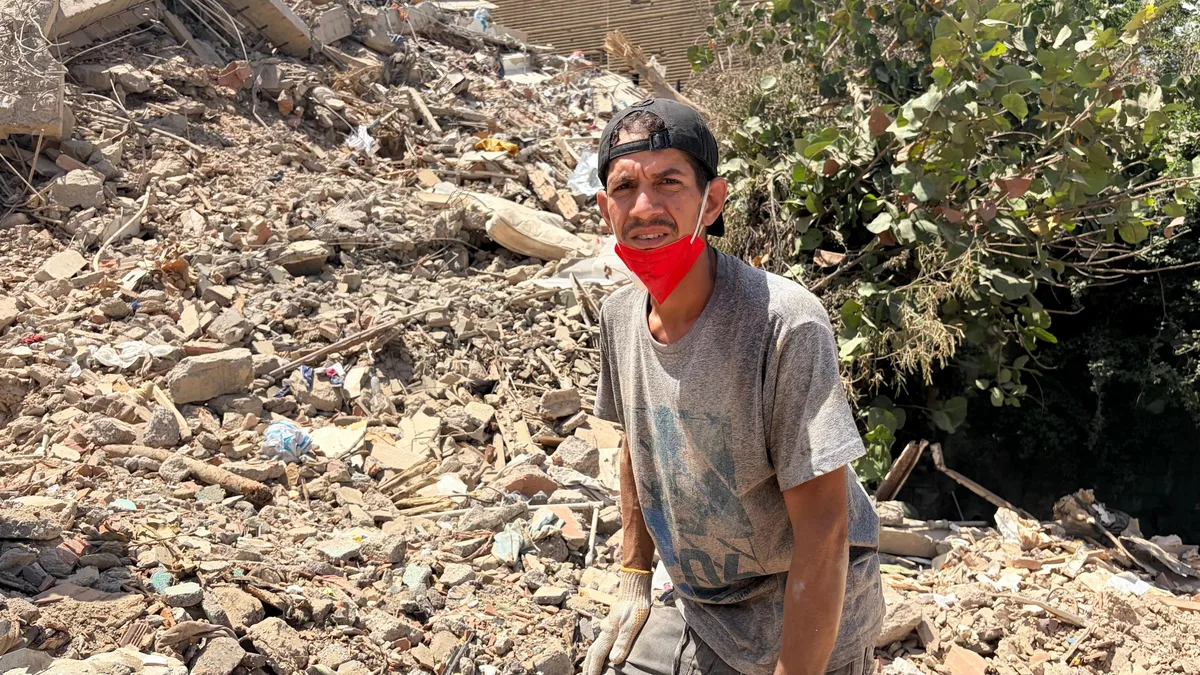
Interim President Delcy Rodríguez declared a state of emergency and called for national unity as rescue efforts began immediately after the earthquakes [2, 4, 9, 10, 6]. She stated, "There has been 214 aftershocks since the initial quakes... Rescue efforts continue, and we call for unity among Venezuelans" [6]. Hundreds of local and international workers joined the search for victims, with many people still trapped or missing [5, 8, 6]. Medical facilities are overwhelmed and face severe shortages of supplies [6].
The initial death toll was reported between 160 and 188 but surged in the following days, rising first to 235, and as of August 6, 2026, the government confirmed 920 deaths and over 3,300 injuries [11, 5, 12, 8, 6]. At least 214 aftershocks have rattled the region since the initial quakes [6]. Rescue teams continue to search rubble and provide aid amid ongoing tremors.
Efforts to restore power and reopen the Maiquetía airport are underway, while authorities maintain emergency protocols as aftershocks persist. The death toll and damage assessments will likely continue evolving as relief operations proceed [6].