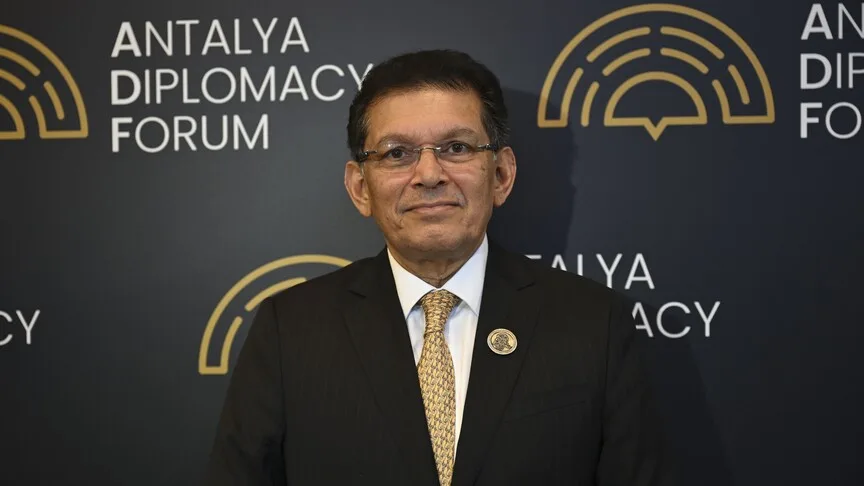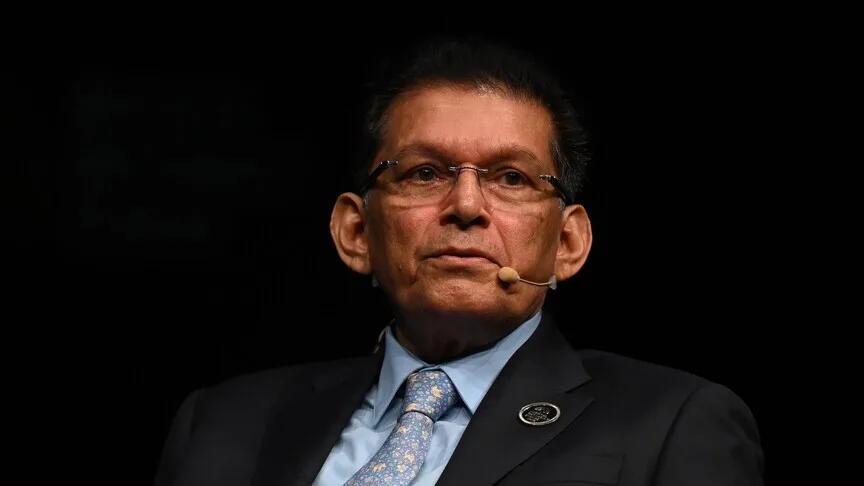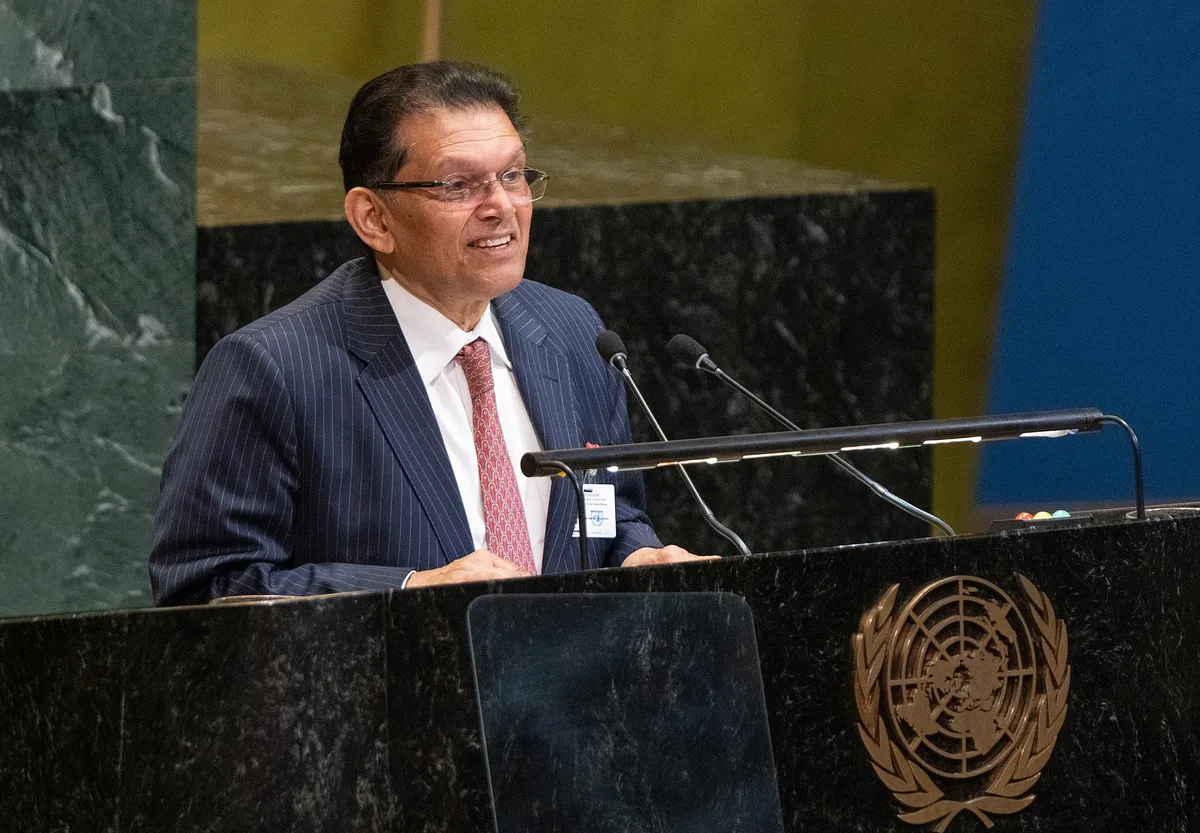
Khalilur Rahman, Bangladesh’s Foreign Minister, was elected president of the 81st session of the UN General Assembly on June 2, 2026, receiving 99 votes out of 190 ballots cast. He defeated Cyprus’s candidate Andreas Kakouris who received 91 votes [1, 2, 3, 4].
The presidency rotates among the UN’s regional groups, and the 81st session falls to the Asia Pacific group [1]. Rahman will assume office on September 8, 2026, for a one-year term [1, 2, 3, 4].
Rahman represents the Bangladesh Nationalist Party government, which came to power following a 2024 student-led uprising that ousted Sheikh Hasina [1, 4]. He is a career diplomat who joined Bangladesh's foreign service in 1979. Rahman has served as national security adviser and high representative on the Rohingya issue. He also held senior UN positions in New York and Geneva during 25 years at the UN [1, 4].
Educated at Tufts University and Harvard Kennedy School, Rahman holds degrees in law, diplomacy, and economics [4].
Rahman pledged to confront major challenges facing the UN, including peacekeeping reform, multilateral cooperation, civilian protection, and gender equality. "Taken together, these challenges tend to undermine the public trust and confidence in the ability of our organization to deliver its promises, and this is a challenge that I will confront together with all of you," he said [2].
Outgoing UN General Assembly President Annalena Baerbock congratulated Rahman, noting that the role is now a complex one amid increasing challenges to multilateralism. "The role of the president of the General Assembly is no longer simply procedural... they are being challenged, as we have experienced many times before," Baerbock said [1, 2, 3].
The Bangladesh Foreign Ministry called Rahman's election a "landmark victory" and said it reflected growing trust in Bangladesh’s diplomatic stature and engagement in multilateral diplomacy [4]. UN Secretary-General Antonio Guterres also congratulated Rahman, describing his theme as "an inspiring call to action for the multilateral system, 'Restoring Trust, Managing Transformation.'" [3]
Under Rahman's leadership, the 81st session will focus on UN reforms, the global development agenda, climate change, geopolitical tensions, energy insecurity, and development divides [4].