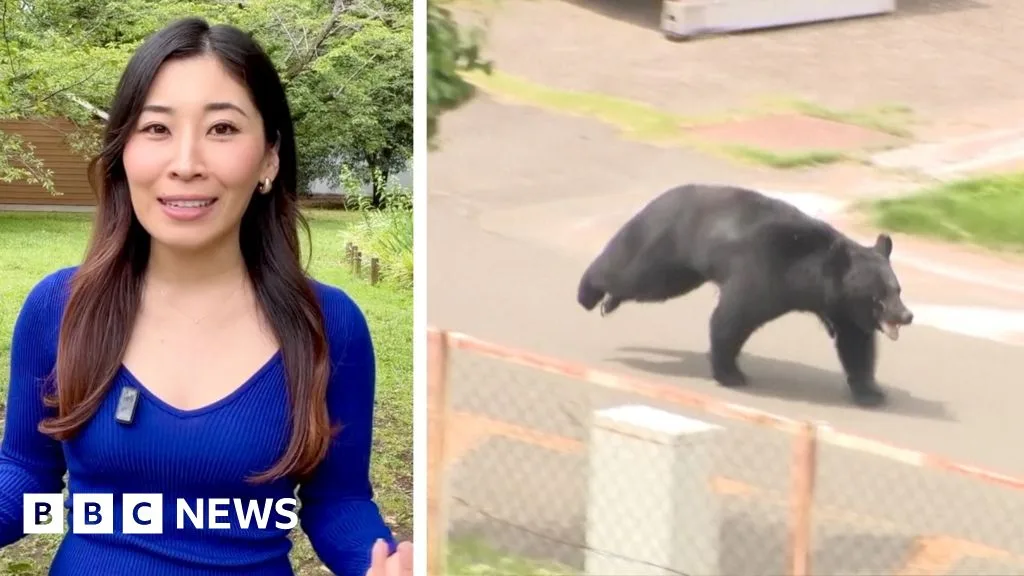
A bear injured four people at two factories in Fukushima Prefecture, northern Japan, on June 2, 2026 [1, 2, 3, 4]. The animal then took shelter inside one of the factory buildings after the attacks [1, 2, 3, 4].
Despite efforts by hunters, police, and responders using traps and anesthetic guns to capture the bear, it managed to evade them [2, 3, 4]. Late on June 3, the bear escaped by unlatching and pushing open a window [1, 2, 3, 4]. Claw marks found near the window suggest the bear unlocked it on its own [2, 3, 4].
Fukushima City Mayor Yuki Baba described the animal as "extremely intelligent" and said authorities "took all possible measures" to catch it but failed, calling the outcome "extremely regrettable" [1, 2]. Baba also said it is believed the bear turned on a water tap inside the building to drink [3].
The bear remains at large as of the morning of June 5, 2026 [2, 3, 4].
Last year, Japan recorded a record 13 deaths caused by bears [2, 3, 4]. Bear sightings nationwide topped 50,000 in the fiscal year ending March 2026, more than double the previous record [2, 3, 4]. Experts link the rise partly to a warming climate that increased food sources such as acorns, deer, and boars [2, 3, 4].
Animals have increasingly been reported entering homes, schools, supermarkets, and resorts [2, 3, 4]. The authorities continue to search for the bear and monitor the situation in Fukushima to prevent further attacks.